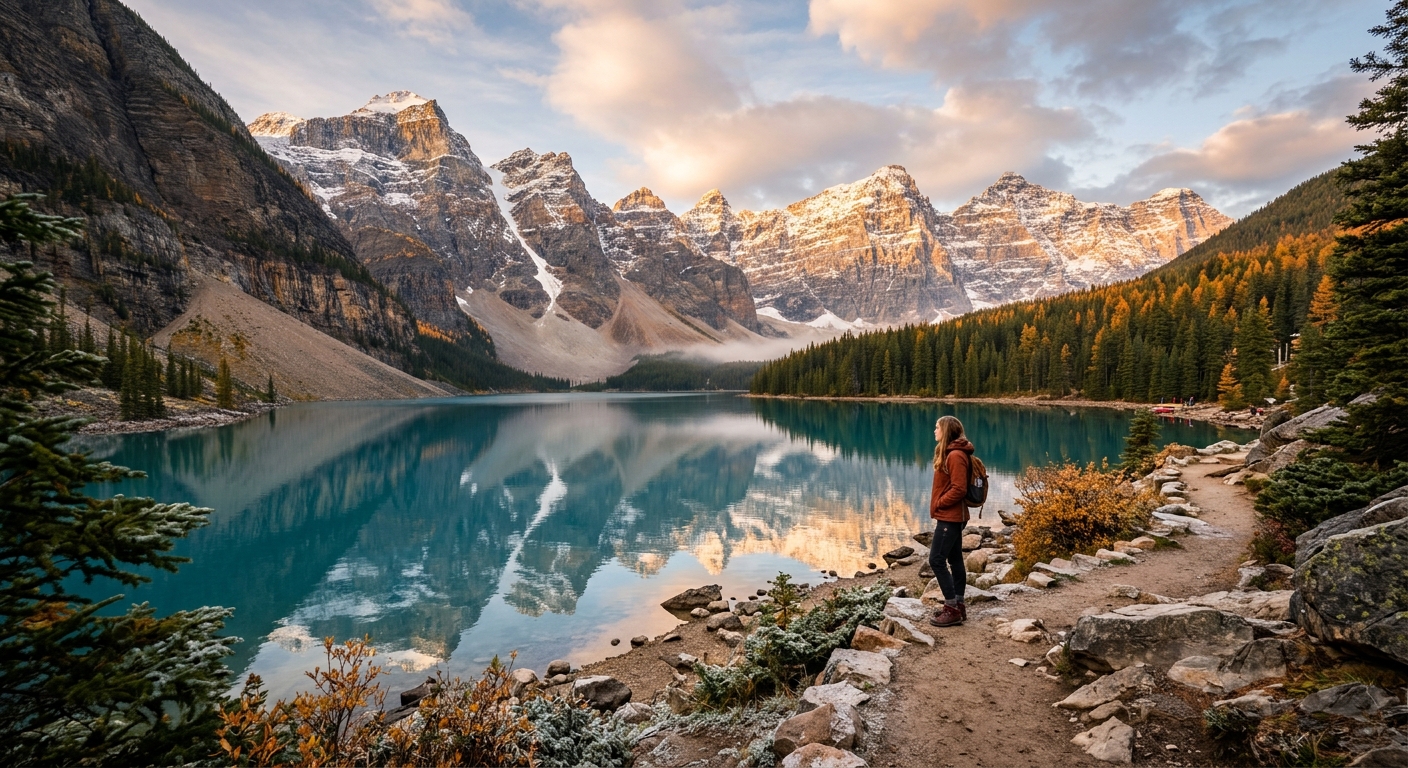
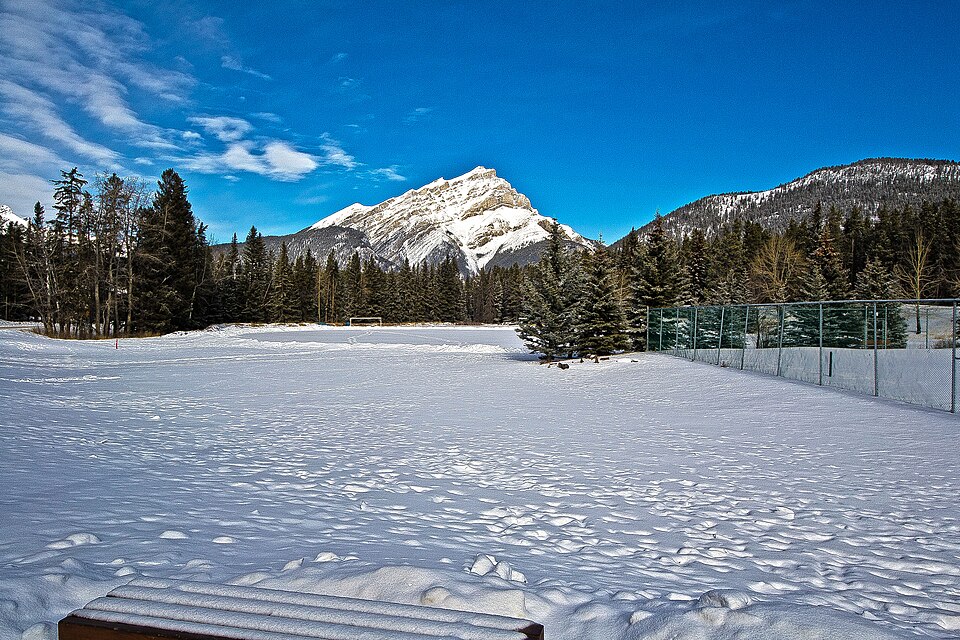
May and October can suit a Banff visit built around flexible sightseeing, town time and the activities actually operating on your dates. They are less suitable if the whole trip depends on a particular alpine hike, a summer lake shuttle, a ski opening or an exact larch-colour day. Choose the experience first, then decide whether the transition season fits it.
May and October have different tradeoffs
| Question | May | October |
|---|---|---|
| What is changing? | Winter snow is retreating unevenly. Town conditions can differ greatly from higher trails. | Summer services are winding down while snow and ice can change access. |
| What could anchor the trip? | A checked town/cultural visit, a suitable lower-elevation outing or an operating spring-ski day. | Town time, a checked viewpoint or an operating attraction; early and late October need separate plans. |
| What needs particular checking? | Snow-covered hiking routes, avalanche exposure, seasonal road rules and the actual start of transport. | The last summer service, road closures, maintenance shutdowns and shorter usable daylight. |
| What should remain flexible? | Alpine hikes, open-water plans and any assumed final ski date. | Larch colour, snow-free paths, summer excursions and any assumed first ski date. |
Planning a May visit
A warmer day in Banff town does not establish a summer route at Lake Louise or on a high pass. Use Parks Canada's trail report for the particular destination, including snow and avalanche information. Avoid taking a summer distance or “easy” label as the complete spring assessment.
If spring skiing is the main reason to travel, compare official resort operation and your booking terms before buying transport or accommodation around a presumed closing date. A published season plan is not a promise that every lift or lesson product continues until that date.
Summer lake access also needs its own calendar. Check the published Lake Louise and Moraine Lake system for the year of travel. Do not assume a late-May opening, or replace an unavailable summer shuttle with a walk along Moraine Lake Road.
Separate early October from late October
A trip before a summer operator's final date can have a very different choice of activities from a visit after it. Check the actual last departure for a cruise, shuttle or sightseeing service, then verify what remains available near your base. Neither lake colour nor larch timing follows a guaranteed visitor calendar.
For late October, build the stay so a cold, snowy or wet day still works. A booked cultural visit on its operating day, a meal near the hotel and a short suitable town outing make a better fallback than a remote trailhead with uncertain access. Use the activity chooser for alternatives and confirm the selected venue's opening.
At the October 28, 2026 review, Parks Canada lists the main Johnston Canyon trail/P1 as closed for remediation and Upper Hot Springs under fall maintenance. Check current notices rather than making either an always-open rest-day anchor.
Roads and buses change the practical itinerary
Parks Canada's seasonal closure list includes the western Minnewanka Loop closure and spring overnight restrictions on part of the Bow Valley Parkway. The scenic loops are not universally open at all times. Temporary closures can also occur outside a published seasonal pattern.
For driving, check Alberta 511, weather and the equipment requirements for the whole route. For a car-free stay, match your outings to the dated timetable rather than a summer map. Canmore can add a regional connection; Lake Louise village and lakeshore are separate places. Our car-free base guide explains those decisions.
A flexible two-day structure
- Arrival and a town day: settle in, check current visitor information, then choose one nearby indoor or short outdoor visit. Keep any timed reservation well clear of the airport arrival.
- One main outing: select an operating attraction, a suitable checked route or an available ski day. Arrange its actual transport and return, then leave the evening near your base.
- A substitute ready before departure: identify a town activity on its open day, so a changed forecast or closure does not force a last-minute remote alternative.
For a longer stay, repeat the pattern with one anchor per day. Avoid booking a chain in which a single cancelled tour makes several nonrefundable reservations unusable. Ask providers what happens when weather changes, what equipment they supply and when you must make a change.
Compare the actual quote, not a promised discount
A shoulder-season label does not establish lower prices or empty paths. Compare the total for your dates, party, room type, parking and transport. A cheaper room far from the useful bus can add both cost and time. Check minimum stays, maintenance notices, deposits and cancellation deadlines.
Compare winter base logistics and the towns before checking Banff accommodation on Expedia. This affiliate link may earn us a commission; it does not confirm an activity, event ticket or a particular saving.
Sources and review
Reviewed October 28, 2026. Primary Parks access, trail, road and facility sources are linked above. Weather preparation is covered in the seasonal weather guide; use current forecast and camera checks for the actual day.
Enjoyed this guide? Get weekly Banff tips.