A useful Banff budget starts with the trip you want, then the quotes that make it possible. A room near an evening walk, a family apartment with cooking facilities and a ski package solve different problems. Compare the complete stay and journey before deciding which entered total fits you.
This guide was fully reviewed October 29, 2026. It supplies a method and two worked planning examples, not live room rates or a price forecast. Open the Trip Cost Calculator to enter your own Canadian-dollar amounts, keep missing costs visible and compare two plans for the same party.
Build a whole-trip budget before a daily average
Write down everyone travelling, including children, your total travel days and your accommodation nights. Five travel days might mean four nights, not five. Decide whether the accommodation quote covers a room, an apartment, a bed or the whole booking. Count the actual rooms or units required for the permitted occupancy.
| Cost | What goes in the row | Common comparison mistake |
|---|---|---|
| Accommodation | The full stay, or the room/bed rate multiplied by its actual nights and units. | Comparing a per-bed quote with a whole room, or using days as nights. |
| Food and drinks | Groceries, meals, drinks and your intended taxes and tips. | Counting a package breakfast twice or assuming everyone spends the same amount. |
| Activities and equipment | The actual tickets, instruction, rentals and required extras for the party. | Using one adult price for children, or buying an extra ticket already included. |
| Getting around | Your whole-trip rental/transit, fuel, parking and destination-shuttle costs. | Counting only a car’s advertised daily rate or only the outward bus journey. |
| Getting here and home | Return flights or intercity travel, airport connections and relevant luggage costs. | Calling a local budget the full holiday cost while omitting arrival travel. |
| Admission and permits | The applicable park admission and other permits after checking existing coverage. | Assuming admission includes every service, attraction or reservation. |
| Other costs | Insurance, clothing, childcare, pet arrangements and other known costs you need. | Calling a missing charge free because it has not been quoted yet. |
Keep a quote’s currency, date, inclusions and cancellation terms beside it in your own notes. Convert foreign-currency amounts using your own applicable conversion and payment fees before entering CAD; this guide supplies no exchange rate. Include amounts already paid if you want the total cost of the holiday rather than the balance still due.
The planner keeps blanks unknown and treats deliberately omitted rows as a partial budget. An explicit no-extra-cost entry is appropriate only when the choice costs nothing additional or the amount is already counted in another row. Add a reserve you choose, then divide a complete total by people and travel days if a daily planning average helps. That equal split is not each person’s actual bill.
Choose the base, room and cooking plan together
Start with the Banff hotel comparison for distinct town locations and room choices. A central stay can put selected evening plans near your room; a different Banff address may need a bus, taxi or longer walk. Check your actual stop, parking, winter pathway and return rather than treating every Banff hotel as equally walkable.
For lake-focused days, use the Lake Louise stay comparison. The lakeshore, community and ski resort are different places. A lakeside room does not put you at the ski lifts, and a village stay does not remove the final lakeshore journey. Price the location that fits your main activity, including its meals and connections.
Canmore is another base to compare, not a guaranteed discount. Use the Canmore area and room comparison to distinguish town walking, cooking facilities and road-based stays. A lower room quote can be offset by additional travel; a room with a kitchen has little budget value if you plan restaurant dinners every night. Verify the selected room’s facilities rather than inferring them from a hotel name.
For each option, match dates, occupancy, beds, room count, taxes, required fees, parking and cancellation terms. Then compare breakfast or other confirmed inclusions. An apartment, hostel bed, hotel room and campsite have different equipment and service needs; camping also requires checking the actual campground, operating season and reservation arrangements. Neither an early booking nor a shoulder-season date guarantees the lowest total.
Cost both the arrival and the local journeys
A car-free trip still needs an arrival connection, actual local and regional routes, luggage or ski arrangements, and a way back after the day’s activity. Use Calgary-to-Banff arrival planning and car-free trip planning to assemble the legs before comparing a shuttle quote with a rental car.
Roam’s fares page separates Banff local, regional and other route products, age categories and reservation charges. A local pass is not a universal lake or airport transfer. Add the products and confirmed return journeys you need; do not multiply an invented transit-per-day allowance by the trip length.
For a vehicle, gather the whole-trip rental total for the actual pickup and return times, required protection choices, fuel, parking, extra drivers and any equipment you need. Rental days need not equal hotel nights. A car quote also does not establish a parking space, lake-road access or appropriate winter equipment; use destination parking and transport planning and the winter driving guide for those separate decisions.
Separate admission from services and existing coverage
Check Parks Canada’s current Banff fees and the park-pass planning guide for your actual visit. The current fee page distinguishes adult, senior and family/group admission and youth admission, and separately lists services such as camping, shuttles, parking and reservations. A youth admission exemption is not free access to every paid service.
Compare the admission you actually need with any valid pass you already hold. A daily-versus-annual decision depends on the current products, party, eligible visits and dates; there is no universal seven-day break-even. Admission fee units can differ from the calendar days in your holiday: check the product’s validity and actual covered visits rather than automatically multiplying by the travel-day count. Keep an existing pass’s additional-trip cost separate from its original purchase if you are comparing additional spending, and explain that choice in both plans.
Make the meal plan match the room and the day
Use the dining finder’s current operator and menu links to choose meals, then budget the food and drinks you intend to order. Add groceries for meals you will actually prepare, and include the necessary taxes and intended tips. Self-catering changes the work and equipment as well as the spending; a kitchenette is not automatically a full cooking setup.
For mixed ages or appetites, a whole-party daily amount can be clearer than multiplying a single adult allowance by everyone. Count arrival and departure meals, early ski breakfasts and any food needed away from town. At Sky Bistro, the operator’s current dining information separates à la carte dining from Banff Gondola admission. A table reservation alone does not pay for that gondola journey; inspect a specific package’s inclusions if considering one.
Build a winter or summer activity budget
Winter: match tickets, lessons, equipment and travel
A first lesson and a full resort ski day can need different products. Lake Louise’s adult group lesson page starts at age 13 and lists equipment rental and a Learning Area ticket for its beginner Levels 1–2 packages. That restricted access is not a full-mountain ticket. Check the actual participant, level and selected product before adding separate rentals or lift access.
For other ski plans, compare the relevant SkiBig3 ticket products and their stated validity and transport inclusions. An included ski shuttle does not establish a general airport transfer or service to every accommodation. Use lesson planning, the ski day planner and your current ticket-quote comparison before buying overlapping products.
Summer: include access as well as the activity ticket
A lake visit without a purchased attraction ticket can still require transport, admission and parking. Parks Canada says Moraine Lake Road is closed to personal vehicles year-round. Its lake-shuttle ticket includes the Lake Connector and return to the Park and Ride, but excludes national park entry. The published 2026 shuttle season ended October 12; use the service and reservation instructions for your actual future dates, not an assumed repeat opening.
A cruise, glacier attraction or rental has its own operating season. At review, the operator’s opening-dates page listed 2027 plans for Lake Minnewanka Cruise and the Columbia Icefield attractions. These are future operating plans, weather permitting, not winter activities or proof of a departure you can book now. Keep a lake-viewing day distinct from a paid water or glacier experience.
Two realistic ways to structure a comparison
These are illustrative planning examples, not offers, market rates or suggested spending levels. No monetary amounts are supplied. Replace each description with your own complete CAD quote in the budget planner, and mark the confirmed inclusions only.
Example 1: two adults, five travel days, four nights, two ski days
| Row | Separate bookings | A quoted ski-and-stay package |
|---|---|---|
| Accommodation | One actual room/night quote × one room × four nights, or the full stay quote. | Enter the full package once here, using Whole party / trip. |
| Food | Planned whole-party food for all five days. | Budget the meals remaining after any expressly included meals. |
| Activities and equipment | Actual two-person totals for the selected ski days, instruction and equipment. | Mark counted elsewhere only for the products the package explicitly includes; add the rest. |
| Getting around | Confirmed return resort transport, plus other local journeys. | Subtract no journey merely because a package says “transport”; check the stops and dates. |
| Arrival, admission and other costs | Add each full-party quote in its separate row. | Keep the same coverage; include these unless the package expressly covers them. |
Do not compare a beginner Learning Area package with a full-mountain ticket as though the products were interchangeable. If you are comparing an owned pass, distinguish additional lift spending from the pass’s original purchase. A lower complete entered total can be useful, but the right room, usable transport and acceptable cancellation terms still matter.
Example 2: four people, six travel days, five nights
Compare two hotel rooms with one suitable apartment for the same party. In Plan A, multiply a per-room nightly quote by two rooms and five nights. In Plan B, use the apartment’s whole-party nightly quote × five nights, or its full booking total. Match occupancy and sleeping arrangements before deciding the room counts are equivalent.
Use a whole-party food budget for six days if children and adults have different meal needs. Compare the actual meals you intend to cook with the restaurant plan, then add each option’s real transport, parking and destination-shuttle total. Add the same chosen activity programme using its actual age bands; park, transit and attraction categories need not match.
If one plan includes a Moraine Lake outing, first establish the appropriate seasonal transport and return. If one apartment is in Canmore and the hotel is in Banff, include the inter-town journey rather than treating the accommodation difference as the whole result. Keeping one paid outing optional is different from leaving its cost blank while presenting a complete budget.
Plan a day without a paid attraction, and cost the access
A town walk, a suitable short viewpoint visit and a picnic can make a satisfying day without buying a tour. Use the day-choice tool to choose an outing by season, base and available time, then check current access. Add the actual journey, food, admission, equipment or parking the day requires. No attraction ticket does not mean the whole day costs nothing.
Pick the route for the group and conditions, not for an assumed free activity list. A summer hiking description does not establish a winter route, and natural ice is not an activity surface made safe by a month on the calendar. The activity-specific packing checklist helps list items you may need to budget; possessing equipment does not establish terrain ability.
Compare inclusions and terms, not a discount headline
- Hold the trip constant: the same people, dates, nights, room needs and chosen outings.
- Read the included products: distinguish a transfer from all transport, a meal from all meals, and learning-area access from the full mountain.
- Add the extras: required fees and taxes, equipment, luggage, parking, meals and unmatched journeys.
- Compare booking terms: who can cancel, deadlines, weather provisions, refund versus credit, and how dependent bookings are affected.
- Calculate complete entered totals: keep unknowns visible and compare the practical differences before paying.
A cancellation label or discount may apply only to a particular rate or product. Do not assume every marketplace activity offers free cancellation, that a package is cheaper than separate bookings, or that booking a fixed number of months ahead guarantees a saving. Choose a reserve based on your own tolerance and remaining uncertainties; it is not a quoted extra charge.
Get the quotes that fit your plan
Start with Banff hotel location and room choices, Lake Louise stay choices or the winter stay finder. Take the room and date decision to the provider, then bring its full quote back to the calculator. The Banff accommodation search on Expedia is a destination search, not a named property or a guaranteed room.
For activities, use the current winter activity comparison or browse Banff activities on GetYourGuide, then check the actual product, dates, meeting place and terms. We may earn a commission from these affiliate links, at no extra cost to you. Provider results and final totals need your own check.
Banff trip-budget questions
How much should I budget for a Banff trip?
Use current quotes for your dates and party rather than a universal daily amount. Add accommodation, food, activities and equipment, getting around, arrival and return travel, admission and permits, and other trip costs. Include taxes and required fees, then choose a reserve. The linked planner totals your entries; it does not provide market prices.
Why are travel days, nights, rooms and people separate?
A five-day trip can have four accommodation nights. A nightly room quote is multiplied by rooms and nights; a nightly bed quote is multiplied by people and nights. Meals can use a per-person or whole-party daily budget. Tickets with different age bands should be added using the actual party quote rather than one adult rate multiplied by everyone.
Is Canmore always cheaper than staying in Banff?
No saving is established by the town name. Compare equivalent rooms for the same dates, occupancy, taxes and terms, then add travel, parking, transfers and meals. A room with cooking facilities only helps the plan if that room has the facilities you need and you intend to use them. Check the actual onward and return connections.
Does park admission include lake shuttles or paid attractions?
Do not treat admission as an all-inclusive activity ticket. Parks Canada lists separate services such as camping, shuttles, parking and reservation fees. Its Lake Louise shuttle information says national park entry is separate from the shuttle ticket. Check the current admission coverage for your dates and party and the separate product you intend to use.
How do I compare a package with separate bookings?
Use the same dates, people, nights, room standard and cancellation needs. Enter a package total once and mark only the confirmed included costs as counted elsewhere. Add missing transfers, equipment, meals, taxes and fees. A blank stays unknown; deliberately omitted costs make a partial budget. Compare complete entered totals and the practical differences before paying.
Sources and review
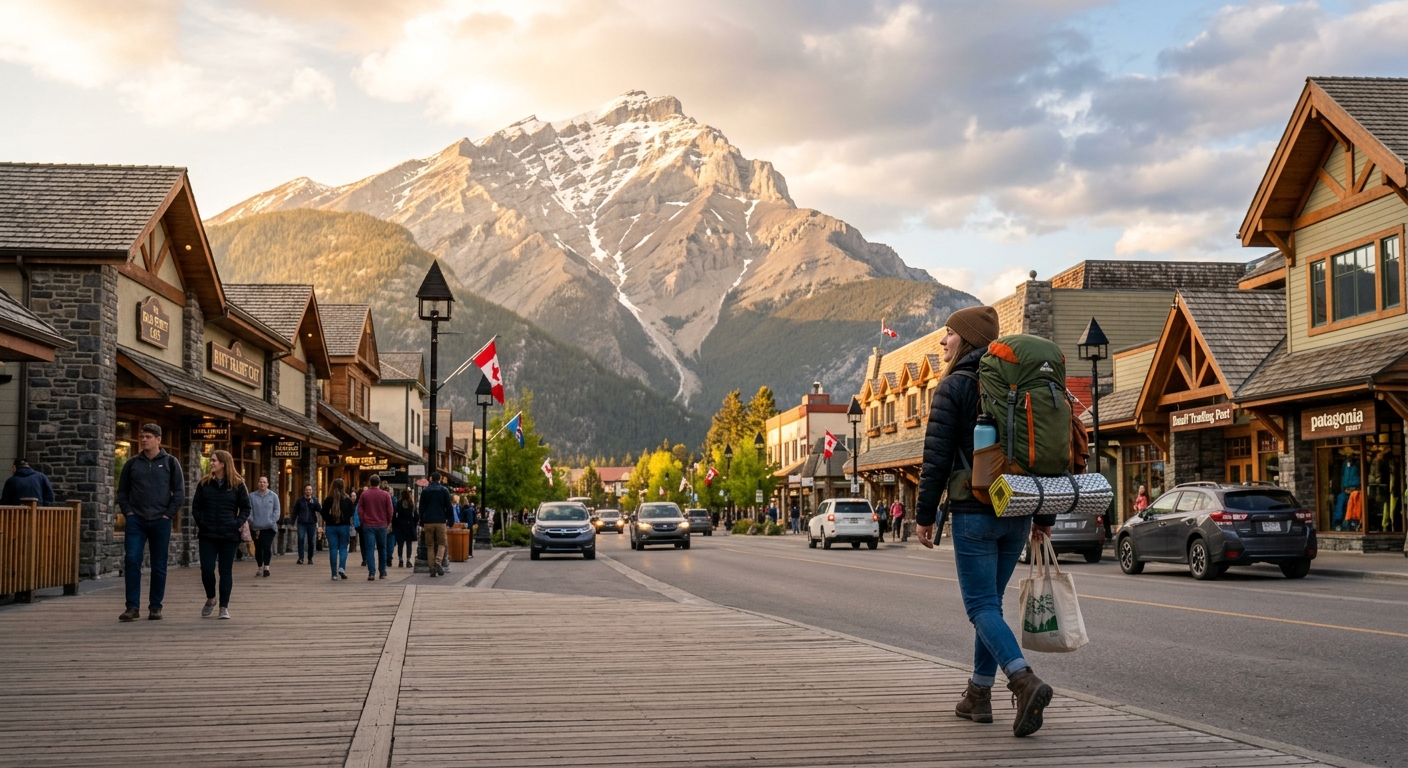
Full guide reviewed October 29, 2026. Admission and transport details come from Parks Canada and Roam; example product distinctions come from Lake Louise Ski Resort, SkiBig3 and the actual attraction operator. Source links are placed beside the relevant claims. No operating prices, exchange rates or savings percentages are copied into this guide. The examples demonstrate quote units and coverage; they are not historical or current market budgets. This page has no live price, transport, weather or booking feed. Its hero is illustrative, not verified as a named place or current conditions.
Enjoyed this guide? Get weekly Banff tips.