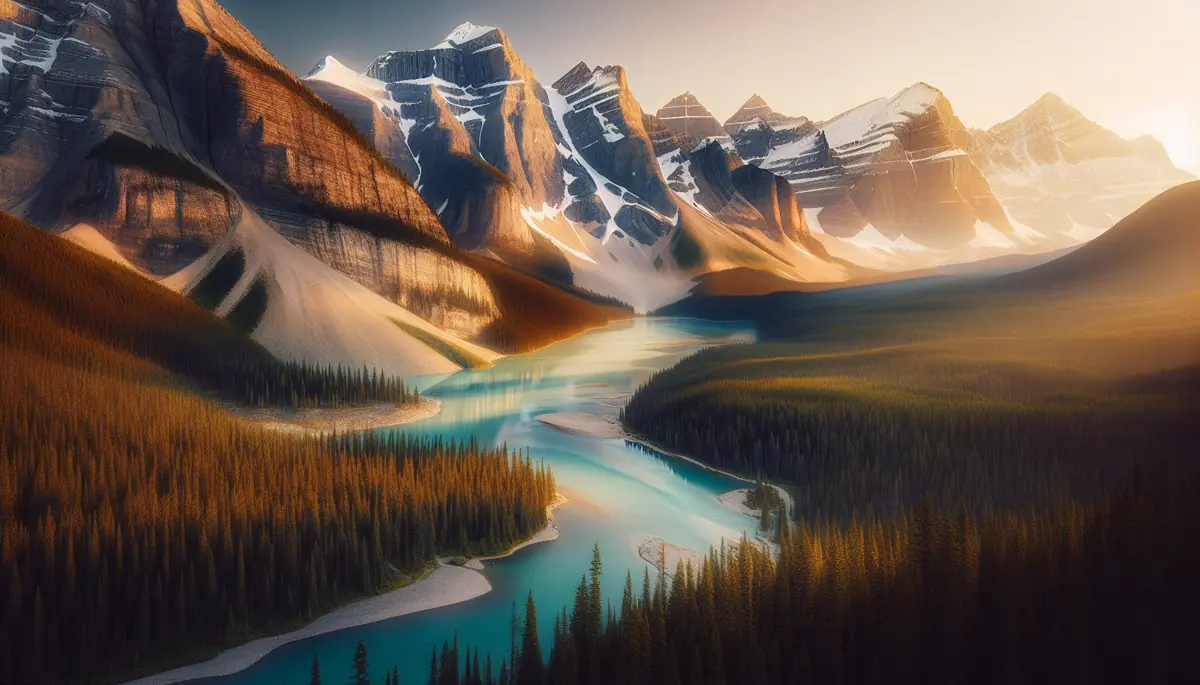
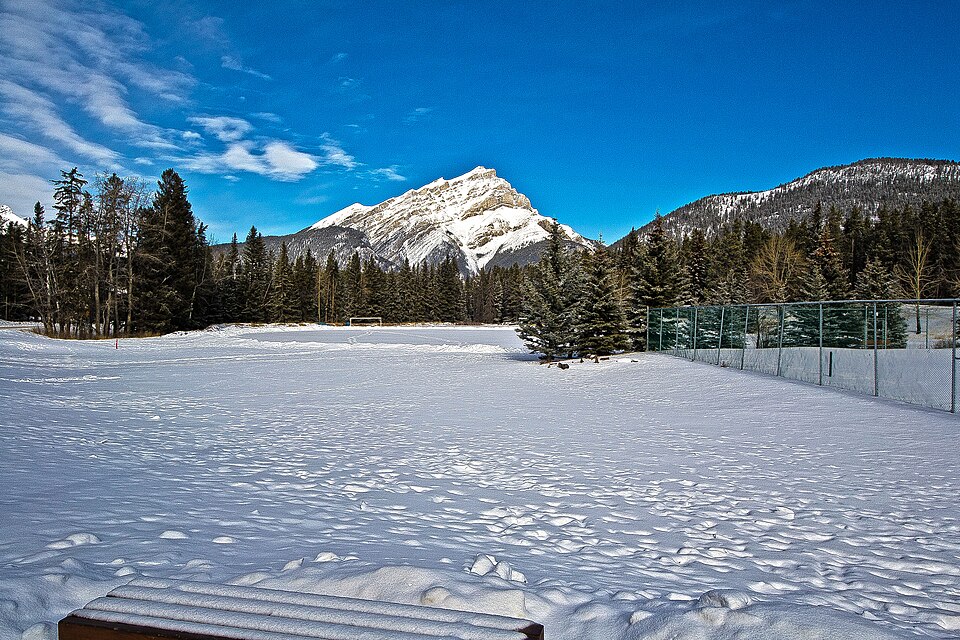
Banff has mountain views you can enjoy from town, lakeshore stops that need a transport plan, and high viewpoints reached by a booked attraction. Choose a few that fit the season and your group's mobility, rather than trying to collect every famous photograph. Cloud, smoke, snowfall and changing light can obscure a view even when the destination is open.
Use our photo spots tool for planning ideas, the trip builder to organise your days, and the town guides to choose a base. Check the winter guide before turning a summer sightseeing list into a winter itinerary.
Start with views around Banff town
1. Banff Avenue and the Bow River area
A town walk lets you combine mountain scenery with a warm break and a flexible turnaround. Use public sidewalks, pedestrian areas and open river paths; stop where you can see the composition without stepping into traffic or blocking a crossing. Snow and ice still matter on a short walk. Stay on land and away from river edges, and follow any temporary closures.
2. Surprise Corner
This viewpoint near Buffalo Street and Tunnel Mountain Road frames the Banff Springs Hotel and surrounding landscape. The Town's directions identify the viewing area and small parking lot. Use the platform and marked trails. The Town explicitly prohibits walking on the steep, unstable cliffs above Bow Falls; stepping past the viewpoint for a cleaner photo is not an alternative route.
3. Bow Falls
Bow Falls is a separate riverside stop, rather than permission to roam along the cliffs or onto the water. The Town's trail description says the clifftop section closes in winter. Check the open approach and conditions for your visit instead of assuming the full summer route remains available. Keep behind barriers and leave space for people passing the viewing area.
4. Vermilion Lakes
The lakes offer a different perspective on the mountains near town. Check the official tourism information and current access before choosing how to visit. Use legitimate stopping and viewing places; do not park in a travel lane or treat the shore as an invitation to enter the lake. Reflections depend on wind and surface conditions, so they cannot be promised for a particular hour.
Make lake views a separate travel decision
5. Lake Louise lakeshore
The lakeshore, Lake Louise village and the ski resort are different destinations. Use Parks Canada's visitor information to plan the right transport and parking for your date. Summer lake colour and open water are seasonal; winter offers a different scene rather than the same image with fewer visitors.
Stay on open designated lakeshore routes. Parks Canada's winter guidance identifies avalanche terrain and warns that the popular Lake Agnes and Plain of Six Glaciers summer trails are not casual winter extensions. A frozen-looking lake or another person's tracks do not establish safe ice.
6. Moraine Lake
Plan Moraine Lake through its seasonal access arrangements. Parks Canada restricts personal vehicle access to Moraine Lake Road; check the current shuttle or authorised transport options rather than expecting to drive to the viewpoint. Summer services are not a winter access promise. The winter road route reaches avalanche terrain, so this guide does not recommend walking to the lake as a substitute when seasonal transport stops.
7. A booked Banff Gondola viewpoint
The Banff Gondola reaches Sulphur Mountain from Mountain Avenue. Check the operator's hours and location, available tickets and current weather before booking. Confirm the last upload, return arrangements and any maintenance or weather changes. Being open does not guarantee a clear panorama; consider whether the experience still suits your group in cloud.
Build a comfortable viewpoint day
Pick a town outing or a lake excursion as the main plan. In winter, account for short daylight, slower walking, cold stops and road conditions. In summer, check reservations and the final return transport. Carry suitable footwear, layers, water and a charged phone; allow a warm alternative if the original outing stops suiting the group.
How should I photograph responsibly?
Keep tripods out of narrow paths, respect other visitors and stay within barriers. Never approach, entice or follow wildlife for a photo; use distance and a zoom lens instead. Parks Canada prohibits recreational drone flying. The wildlife guidance and drone rules explain the requirements.
Sources and review
Reviewed 28 October 2026 using the official Town, Parks Canada, tourism and operator sources linked throughout. This guide is not a live access report. Check current bulletins, weather and on-site signs before setting out.
Enjoyed this guide? Get weekly Banff tips.