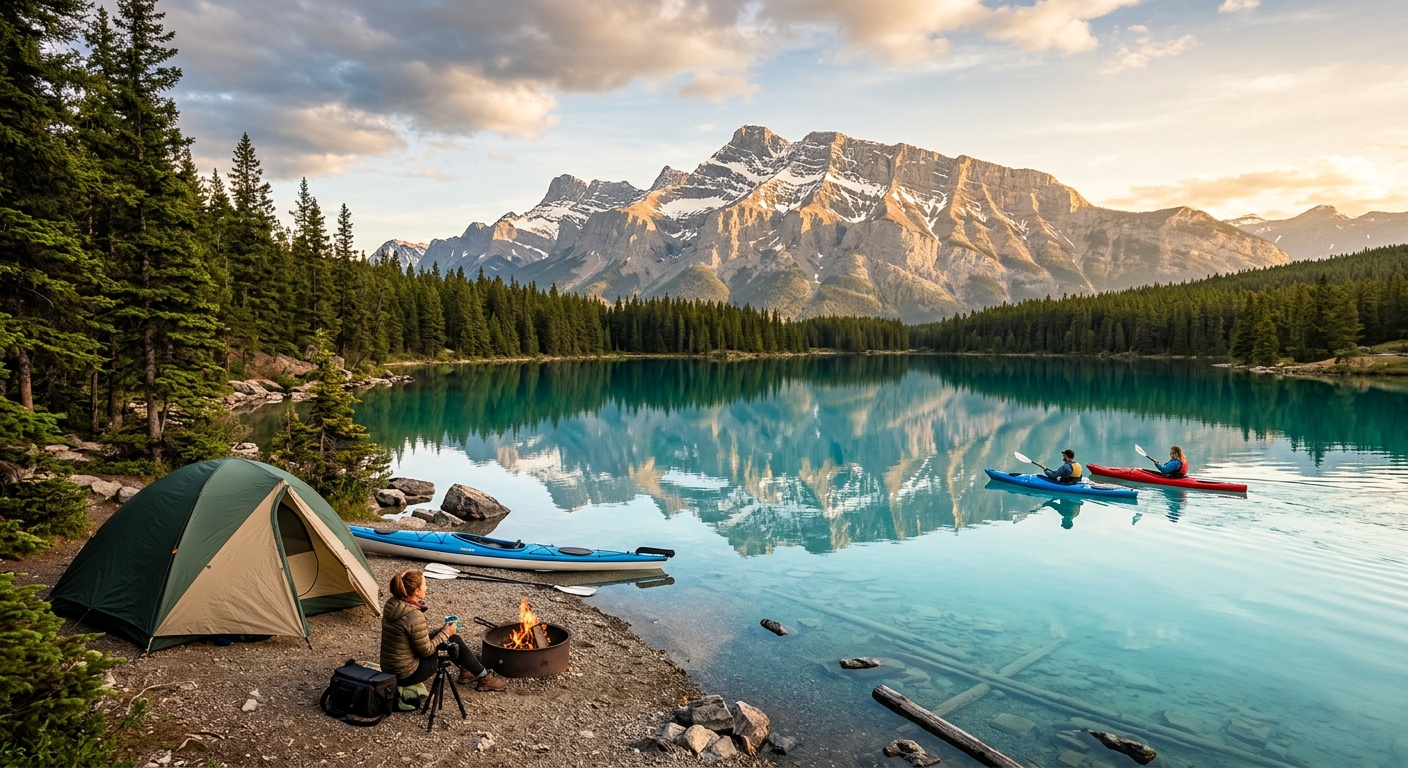
Two Jack Lake is a Banff-area destination for a lakeshore visit, a picnic, a permitted paddling outing or a separately reserved camping stay. Choose which of those you are planning before setting off: the public day-use area, Two Jack Main Campground and Two Jack Lakeside Campground are distinct places. A campsite booking does not provide a general parking reservation around the lake.
Getting to the right place
Two Jack is on the Lake Minnewanka road system northeast of Banff town. Use the signed destination and the current approach, with Alberta 511 and Parks bulletins for restrictions. Do not assume every part of the scenic road loop is available in every season, or use roadside shoulders and campground sites as overflow parking.
Roam Route 6 serves the Two Jack day-use area and campgrounds when its seasonal service runs. At the October 29, 2026 review, the current notice said the 2026 service ended October 4 and advertised a 2027 restart. Older FAQs on that page retain different years, so use the current notice and dated schedule, not an old fare or timetable. Check both directions and the actual stop before making this a car-free outing.
A useful day visit from land
Make a shore visit its own outing rather than treating it as a failed paddling day. Bring a picnic, use permitted access and take time to observe the lake and surrounding mountains. Keep food and rubbish secure, leave shore vegetation intact and give wildlife space. A reflection or clear view depends on wind, light and weather, not a universal arrival hour.
For photography, choose a position where people can pass and where you can remain on permitted ground. Do not enter a campsite, follow an unmarked shoreline shortcut or launch a drone for a better angle. For an evening visit, plan lawful parking, usable daylight or suitable lighting and the return transport. No specific night-sky alignment or empty shoreline is promised here.
Water rules come before equipment
Two Jack Lake is a Water Recreation Zone under Parks Canada's current water rules. Personal canoes, kayaks and SUPs need the required Clean, Drain, Dry measures and a carried self-certification permit. Drying requirements apply when switching waterbodies: currently at least 48 hours after regional use within Alberta, BC, Yukon or Northwest Territories, and 30 days after use elsewhere. Read the current permit before planning a launch.
Nearby Lake Minnewanka has different restrictions that prohibit personal paddlecraft, and Moraine permits only its on-site rental craft that remain there. Being allowed at Two Jack does not permit a circuit through neighbouring lakes with wet equipment. The paddling guide compares the actual places and explains rental and transport checks.
Lake size and a calm photograph do not make the water warm or an outing suitable for beginners. Parks' paddling guidance emphasises cold-water immersion, appropriate skills and equipment. Wear a fitted PFD, plan recovery and choose conditions the group can handle. Swimming is not a required part of a visit; this guide does not identify a warm swimming season or recommend jumping into the lake.
Main and Lakeside: compare the actual site
The official camping guide distinguishes these seasonal campgrounds. Both have unserviced sites; “unserviced” does not mean there are no shared washrooms or drinking-water facilities. Match the specific reservable product and site dimensions to your equipment.
| Campground | Practical distinction | Check before reserving |
|---|---|---|
| Two Jack Main | Forest camping with tent/RV and separate equipped-camping options; Parks lists no showers. | Site access, dimensions, food storage and exactly what an equipped-camping booking supplies. |
| Two Jack Lakeside | A separate lakeshore campground with ordinary sites, walk-in tent sites and oTENTik accommodation; Parks lists showers. | Actual site location, parking-to-site carry, occupancy and whether the booking is an oTENTik or a campsite. |
At review, the published 2026 camping seasons for both had ended. Do not assume a winter campsite or copy those dates into another year. Use Parks Canada's reservation service for the actual season and availability. A camping permit, park admission and any permitted fire arrangements are separate requirements. Keep a stove-based meal plan and check fire restrictions rather than relying on a campfire.
Leave wildlife attractants secured, including food, rubbish, cookware and toiletries. Campground facilities are not a reason to enter somebody else's site. If you need accessible camping, read the exact facility information and contact Parks Canada: a general campground label does not confirm a suitable parking, sleeping or washroom arrangement.
A different plan in snow season
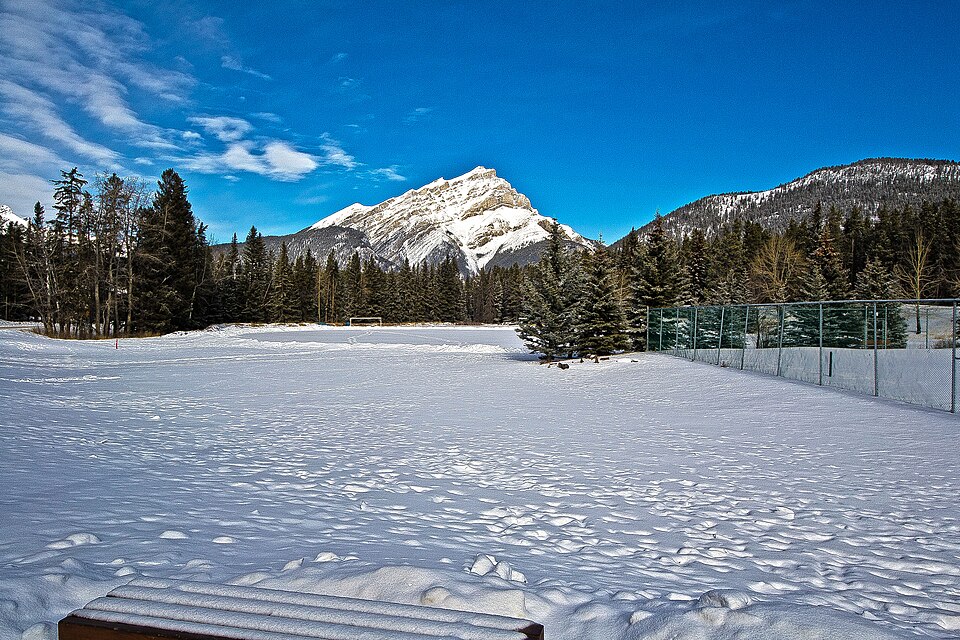
A winter shore visit needs a current road and surface check, warm layers and a return that fits the available daylight. It does not require stepping onto the lake. Parks Canada does not monitor natural ice for safety or mark its hazards; a frozen appearance or tracks are not a clearance for skating, walking or fishing. Use the winter guide to choose another suitable activity.
A complete Banff-based day
Choose one main Two Jack activity, resolve its equipment and return, then add another stop only if the journey still fits. Johnson Lake and Minnewanka have their own access, routes and water rules; proximity does not make them interchangeable. Compare a Banff base, the packing checklist and land-based photo planning.
Search Banff accommodation on Expedia (affiliate link; BanffBound may earn a commission). This is a hotel search, not a Two Jack campsite reservation.
Sources and review
Reviewed October 29, 2026 using the linked Parks water, camping, ice and closure sources and Roam's current route notice. This guide establishes planning distinctions, not today's water, ice, parking or campsite availability.
Enjoyed this guide? Get weekly Banff tips.