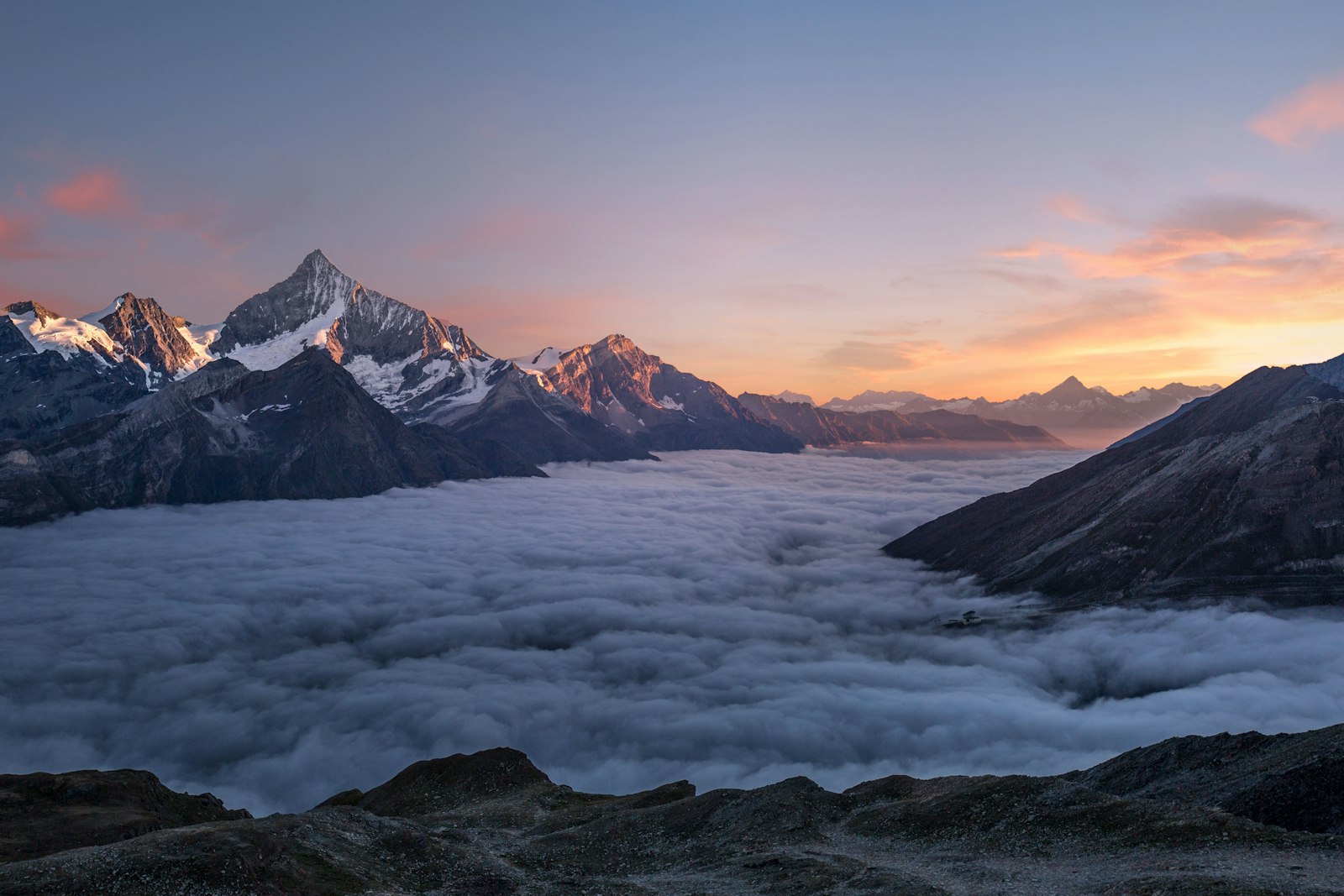
Choose the actual destination, then work through its parking rules, seasonal services and the journey home. A departure time alone cannot tell you whether a space will be available.
Illustrative mountain image; not a verified parking location or current condition.
What this planner can establish
Use it to compare practical choices: driving to Lake Louise versus a reserved shuttle, a town bus versus a resort bus, or a legal day lot versus an overnight arrangement. It supplies no measured parking occupancy, capacities, fill times or availability predictions.
Sources reviewed . Current road closures, service notices, parking signs and staff directions take precedence. Check official current reports.
All 11 destination guides are shown.
Build a parking and transport plan
Choose an actual destination to see its parking, seasonal transport and return checks. All eleven destination guides remain below.
A national park pass, attraction ticket, paid-parking receipt and bus reservation are different products. Check exactly what each purchase includes.
Before leaving, recheck official road/service/closure updates and save your ticket, meeting point and return contacts offline. This planner supplies no occupancy or availability estimate.
Choose between a flexible drive to the lakeshore and a confirmed seasonal shuttle or Roam journey. The village, lakeshore and ski-resort Park and Ride are different destinations.
Driving and parking
Use designated signed parking only. Lakeshore and Fairview parking have their own rules; a paid parking permit does not reserve a space or give access to another lot. Check current fees and traffic controls.
Seasonal decision
Snow season
The seasonal Parks lake shuttle is not a winter transfer. Check Roam 8X for the actual lakeshore journey, or road/parking conditions if driving. Snow can change the final pedestrian approach.
Summer visitor season
Compare a reserved Parks shuttle from the ski-resort Park and Ride with Roam 8X from Banff. If driving to the lakeshore, retain an alternative when parking or traffic controls prevent access.
Spring / autumn transition
Check the exact date: seasonal shuttles, paid parking periods and road/surface conditions change independently. Do not assume a May or October visit follows the summer timetable.
Transit or transfer
Roam 8X links Banff, Lake Louise village and lakeshore. Parks shuttles instead start at the Lake Louise Ski Resort Park and Ride after check-in. Confirm the intended stop, reservation product and return.
Return check
For a Parks ticket, return to the Park and Ride where the car is parked. For Roam, reserve or plan the return to Banff and any onward transfer. A lakeshore activity must end before the required bus.
Vehicle and group access
Confirm vehicle dimensions and designated space rules for an RV, trailer or high vehicle. Do not use village commercial or private lots as unverified lakeshore overflow.
Accessible lakeshore parking is first-come, first-served with a valid government placard. Compare the final surface and journey with the seasonal accessible shuttle option; a placard does not reserve a stall.
If the first plan does not work
Choose a confirmed shuttle or Roam departure rather than waiting for an asserted fill-time.
If access is unavailable, choose a separately planned outing near your base; do not park on the highway.
This is an access decision rather than an ordinary visitor parking plan. Moraine Lake Road is closed to personal vehicles year-round.
Driving and parking
Parks lists authorised Parks shuttles, licensed commercial operators with the required road licence, and registered Moraine Lake Lodge guests. A normal rental car, early arrival or accessible placard is not a general road-access exception.
Seasonal decision
Snow season
Do not plan a winter lake visit using the ended summer shuttle or a cycling workaround. The official winter road route has its own limits and avalanche context; it does not establish access to the lake. Choose a different winter destination.
Summer visitor season
Confirm a reserved Parks journey or an authorised commercial product for the actual season. Check the correct departure point and final return. Lodge guests must follow the property’s direct instructions.
Spring / autumn transition
The road and seasonal visitor services do not open simply because a month has changed. Confirm the actual service period and current restrictions; do not carry last season’s dates forward.
Transit or transfer
Regular Parks departures use the ski-resort Park and Ride. A valid seasonal Roam Super Pass has included the Lake Connector after an 8X journey to Louise lakeshore; a normal 8X ticket alone is not that product. Confirm the published season and terms.
Return check
Save the full chain: Moraine to the correct lake or Park and Ride, then back to your base. Cell service is limited or unavailable at the lake; take tickets, contacts and return instructions offline.
Vehicle and group access
An RV, private car or rental does not gain access by arriving earlier. Check the exact authorised transport and parking arrangement at its departure base.
Parks lists no accessible parking at Moraine Lake. Its regular seasonal accessible shuttle is requested with a purchased ticket at the Park and Ride; the published 2026 Alpine Start product had no accessible vehicle. Confirm the future product and companion/device arrangements.
If the first plan does not work
Select a Lake Louise-only outing with an independently confirmed journey.
Use the official licensed-operator list when comparing alternatives; a tour-search result is not proof of permission or operation.
Plan the lake day-use area, the activity and the return as one outing. Nearby lakes have different starts and are not automatic overflow parking for this destination.
Driving and parking
Follow signs for the designated day-use parking and current restrictions. If the site cannot accommodate you, choose another independently planned stop instead of a roadside or distant-lot workaround.
Seasonal decision
Snow season
Roam 6 is a summer-only route. Check road conditions and the open approach; winter closure of part of the Minnewanka Loop does not mean every access road is closed. A parking place is not an assessment of lake ice or the winter trail.
Summer visitor season
Compare the date-specific Roam 6 service with driving. Confirm that any cruise booking, bus departure and last return fit together.
Spring / autumn transition
Check whether Route 6 and the chosen lake activity actually operate on your date. A cruise season and bus season need not end together.
Transit or transfer
Roam 6 serves the Minnewanka route in its published summer season. Check the actual departure stop and return; do not assume a winter or after-hours service.
Return check
Leave time to get from the shoreline or dock to the stop/car. The last bus is not a suggested activity finish time. Have a return plan before leaving Banff.
Vehicle and group access
Use marked spaces suitable for the vehicle. Another day-use lot is a separate destination unless an official route and permissions establish the connection.
Ask about the exact parking-to-viewpoint/dock path, surface, washrooms and boarding assistance. Lake access and a cruise boarding arrangement are different checks.
If the first plan does not work
Compare a separately planned town-area viewpoint when transport or conditions do not fit.
Move the booked lake activity only under the operator’s actual change/cancellation terms.
The current canyon closure check comes before any parking or bus plan. A timetable does not establish that the main trail or P1 is available.
Driving and parking
Use the designated open facility only when the relevant notice permits access. Do not treat highway shoulders, Castle Junction or another trailhead as authorised overflow or a short walking approach.
Seasonal decision
Snow season
Check actual trail and P1 access, then traction, endpoint, daylight and transport. A seasonal ice-walk advertisement is not an open report.
Summer visitor season
Check Route 9 and the current park notice before choosing the journey. An early arrival does not override a closure or reserve parking.
Spring / autumn transition
Construction and seasonal service may change independently. Recheck both Parks and Roam for your exact date.
Transit or transfer
The relevant regional route is Roam 9, not Cave and Basin Route 4. At the review, Route 9 posted a construction suspension. Check the latest notice and timetable before relying on it.
Return check
When access and service are available, match the chosen falls endpoint and group pace to the final return. Do not extend to the Ink Pots without a separate route and time plan.
Vehicle and group access
Parking restrictions and barriers govern all vehicle sizes. Do not wait or unload in a traffic lane or arrange an unverified roadside drop-off.
The canyon has steps, slopes and narrow sections. Parking eligibility does not establish access along the trail; confirm the actual route and support needs.
If the first plan does not work
Choose an open town-area activity while the canyon is closed.
Review an alternative route as its own outing rather than bypassing the closure.
The gondola base and Upper Hot Springs are separate facilities on Sulphur Mountain. Confirm the actual attraction, parking/entrance and appointment before choosing the journey.
Driving and parking
Use the designated parking for the intended facility and check its current payment and access rules. A gondola or pool visit does not reserve an ordinary parking space.
Seasonal decision
Snow season
Allow for road and pedestrian surfaces. Check gondola operation and last descent separately from the bus; check actual pool reopening/hours before arranging a swim.
Summer visitor season
Compare Roam 1 with driving. Check facility-specific parking and ticket arrangements instead of expecting a shared overflow lot.
Spring / autumn transition
Maintenance and private-event closures may affect one facility without closing the other. Confirm the exact attraction and date.
Transit or transfer
Roam 1 serves Sulphur Mountain. Check the correct stop, the final path to your facility and the bus return separately from gondola upload/descent times.
Return check
Work backwards from the last usable bus, gondola descent or facility closing time. Leave room for changing, a restaurant bill or getting from the entrance to the stop.
Vehicle and group access
Confirm clearances and suitable parking directly for large vehicles; do not infer permission from another attraction’s lot.
Ask about the specific loading/entrance route and your device. The gondola summit building, outdoor boardwalk and hot-springs pool have different access features.
If the first plan does not work
Select a confirmed town-area activity if your chosen facility is closed.
Keep a timed attraction booking flexible under its actual cancellation terms.
Choose the stated trailhead and route first. The lower St. Julien Road approach and an upper road approach have different access and walking requirements.
Driving and parking
Check the official trailhead description, current road restrictions and signed parking. Do not assume nearby residential streets provide trailhead overflow.
Seasonal decision
Snow season
Tunnel Mountain Drive has seasonal vehicle restrictions, and snow/ice changes the hike. Check which starting point is actually reachable; a road closure is not permission to drive farther.
Summer visitor season
Choose a legal trailhead approach or a walk from town that the group can manage in addition to the hike.
Spring / autumn transition
Check the road and actual surface rather than assuming a summer starting point is available in spring or autumn.
Transit or transfer
Use the official route map to assess a town walk or nearby bus stop. Do not assume a Route 2 stop is the summit trailhead; include the actual approach and return distance.
Return check
Count the walk back to your vehicle, bus or accommodation as part of the outing. A summit arrival is not the end of the trip.
Vehicle and group access
Observe residential restrictions, no-parking signs and vehicle-fit requirements. A small car park does not authorise a trailer or roadside overflow.
Read the actual trail profile, surfaces and climbing. A nearby road or parking space does not establish a step-free summit route.
If the first plan does not work
Compare a shorter open town path with a defined turnaround.
Choose a viewpoint visit separately if the summit route does not fit the group or daylight.
Separate a lower viewpoint visit from the riverside/clifftop through-walk. Fairmont Banff Springs parking belongs to its own property arrangements.
Driving and parking
Use designated public parking and follow current signs. Do not assume hotel lots, coach spaces or another attraction’s parking are visitor overflow.
Seasonal decision
Snow season
The Town closes the pedestrian clifftop section in winter. Check the open approach to the chosen viewpoint; a summer riverside walk is not an automatic winter connection.
Summer visitor season
Roam 4 serves Bow Falls during its actual summer service period. Compare the stop and approach with walking or driving.
Spring / autumn transition
Check whether seasonal Route 4 operates and which path sections are open. Keep the lower viewpoint and through-walk as separate objectives.
Transit or transfer
Check seasonal Roam 4 for Bow Falls. Roam 2 serves the Fairmont area, but any onward walk needs its own open-route assessment. Roam 1 is not the Bow Falls route.
Return check
Include the actual walk, climbing or steps back to the stop/car. Do not use the river or a closed clifftop section as a shortcut.
Vehicle and group access
Use only a marked space appropriate to your vehicle. Commercial and hotel parking rules are separate.
Confirm the specific lower viewing approach, surface and resting places. The clifftop trail’s steps and winter closure are distinct from a short viewpoint visit.
If the first plan does not work
Choose another independently accessible town viewpoint if the approach does not fit.
Arrange a property visit directly if visiting the hotel rather than using its parking for the falls.
The resort base is the parking/transport arrival point, not necessarily the lesson or lodge meeting place. Plan the gondola and equipment collection too.
Driving and parking
Follow Sunshine’s parking staff and signs. Its own guide explains general day parking, reserved products and staff-directed overflow; independently choosing another trailhead is not the same arrangement.
Seasonal decision
Snow season
Use the actual ski-season shuttle, lesson and gondola timings. Snow conditions can affect the access road; do not plan around an invented powder-day fill time.
Summer visitor season
Confirm the summer Meadows/gondola programme and transport separately from the ski-season bus. The mountain’s winter opening does not establish summer service.
Spring / autumn transition
A transition between ski and summer programmes may have no equivalent visitor service. Confirm the actual activity and access before travelling.
Transit or transfer
Sunshine’s resort shuttle links selected Banff stops with the base in its published operating programme. It is separate from Roam; verify your pickup, equipment, accessibility and last return.
Return check
Allow for leaving the mountain, returning rentals and reaching the base bus/vehicle. Sunshine Mountain Lodge guests need the property’s gondola and luggage instructions.
Vehicle and group access
Confirm large-vehicle or overnight arrangements directly. Overnight vehicle parking and camping are different permissions; follow the resort and park rules.
The resort lists accessible parking with a valid placard. Ask about the complete base-to-gondola/lesson journey and assistance rather than assuming a stall covers it.
If the first plan does not work
Compare the actual Banff resort shuttle with driving before booking.
Use only overflow directed by resort staff and the supplied transfer arrangements.
The Peyto Lake day-use area and its upper restricted parking serve different approaches. Bow Summit is not a separate guaranteed overflow lot.
Driving and parking
Follow designated visitor parking and restrictions. The upper parking area is designated for accessible vehicles and commercial buses; confirm eligibility and current access rather than using it as general overflow.
Seasonal decision
Snow season
Check 511, weather, closures and the actual winter approach. The Parkway is not simply closed for the whole winter, but road availability does not establish a prepared viewpoint path or usable upper parking.
Summer visitor season
Choose the actual viewpoint and parking approach. A short barrier-free summer route from the upper area does not describe every path or establish permission for every vehicle.
Spring / autumn transition
Snow, parking access and trail conditions may differ from lower-elevation stops. Confirm the actual approach before relying on a summer description.
Transit or transfer
No regular Roam connection to this stop is verified here. If travelling without a car, obtain a specific tour/transfer with a confirmed Peyto stop, time on site and return.
Return check
Plan fuel, weather, rest stops and a return that works without reliable cell service. Do not assume a different trailhead provides a short walk back to this car park.
Vehicle and group access
Confirm the actual vehicle class and signed restrictions. An upper bus area is not permission for an ordinary large private vehicle.
Parks describes a short barrier-free summer approach from the restricted upper parking area. Confirm eligibility, current surface, facilities and any assistance for the date.
If the first plan does not work
Choose another Parkway stop as a separate road/route decision, with its own parking and conditions.
Keep the trip flexible if road conditions or the approach do not support your plan.
A mountain trailhead on Highway 93N needs a complete road and hiking plan. A parking space does not assess the alpine route or its return.
Driving and parking
Use the designated trailhead parking when open and follow signs. Do not stop on the highway or assume Wilcox Pass or another trailhead is nearby overflow for this hike.
Seasonal decision
Snow season
Check Parkway road reports and closures separately from the route’s snow and avalanche exposure. This page does not turn the summer hike into a winter recommendation.
Summer visitor season
Read the actual route, weather and trail report before driving. Give the group enough time for both the hike and the remote road return.
Spring / autumn transition
Snow may remain or return at elevation. Use the current route report and weather rather than a lower-valley season assumption.
Transit or transfer
No regular public-transit trailhead connection is verified here. A sightseeing tour only works for hiking if its actual stop and return arrangements allow the chosen outing.
Return check
Save maps, contacts and road information offline. Include travel, fuel and emergency preparation; reliable cell coverage cannot be assumed.
Vehicle and group access
Use a designated space that fits the vehicle. Confirm any large-vehicle constraints and do not obstruct the highway or access lanes.
The ridge hike has climbing and mountain terrain. Ask about a different accessible objective if the full route does not fit the group; a roadside stall does not establish trail access.
If the first plan does not work
Choose another stop only after checking its own road, parking and walking requirements.
Turn back or change the outing if road or mountain conditions do not fit the plan.
Choose a signed Town space, the Train Station day lot or a journey from your accommodation. Resident permits, hotel parking and visitor pay parking are different arrangements.
Driving and parking
Use the Town map and current signs for rates, time limits, resident restrictions and vehicle fit. The Train Station lot is identified by the Town as free day parking with a nine-hour daily limit and RV spaces; check its current opening hours and conditions.
Seasonal decision
Snow season
Check snow-clearing restrictions and the pedestrian route to town or your bus stop. A day parking lot is not an overnight parking or camping arrangement.
Summer visitor season
For a longer visit, compare the Train Station day lot with the current downtown pay-parking terms. Neither option is an occupancy or space guarantee.
Spring / autumn transition
Rates and restrictions can have seasonal dates. Check the current Town information and actual sign rather than a remembered daily maximum.
Transit or transfer
Local Roam routes serve different areas and attractions. From the Train Station, include the actual walk to your chosen stop. Check any hotel-provided fare benefit rather than assuming all visitor rides are free.
Return check
Match your day to the lot’s closing/time-limit rules and your final bus. Confirm overnight vehicle storage with the property or authority separately.
Vehicle and group access
The Town directs RVs away from downtown and identifies Train Station parking for them. Check the vehicle dimensions and current signed arrangements before entering the core.
Use the Town accessible-space map and verify the path, kerbs, surface and distance to your destination. A permitted stall does not reserve availability.
If the first plan does not work
Leave the car at accommodation under its actual parking terms and use a confirmed local route.
Use the Town’s direct map and signs to choose another legal space, without an invented fill-time.
Optional affiliate car-rental search: we may earn a commission from qualifying bookings. The search does not reserve parking, confirm winter equipment or authorise a restricted road.
🚗
Compare car rentals if driving fits your trip
Check the rental’s actual winter equipment, vehicle dimensions and cancellation terms, then confirm the roads and designated parking for your destinations. A rental reservation does not reserve a parking space.
Can this planner tell me whether a parking space will be available?
No. It supplies destination-specific parking, access and transport planning. It does not have a verified live occupancy feed or a defensible fill-time prediction. Check official sources and follow current signs and staff directions.
Can I drive a private or rental car to Moraine Lake by arriving early?
Moraine Lake Road is closed to personal vehicles year-round. Parks lists authorised shuttles, licensed commercial operators with the required road permission and registered Moraine Lake Lodge guests. Early arrival and an accessible placard are not general access exceptions.
Does paid parking or a park pass reserve a space?
No. Park admission, parking payment, attraction admission and transport reservations have different terms. Confirm which product you need; an ordinary parking receipt is not a reservation for another lot or a bus.
Can I use summer buses for a winter lake or ski visit?
Check the actual service. Parks lake shuttles and Roam 4 and 6 are seasonal; Roam 8X serves Lake Louise with a separate timetable. Ski-resort shuttles are separate services, and none of those labels establishes a winter Moraine Lake journey.