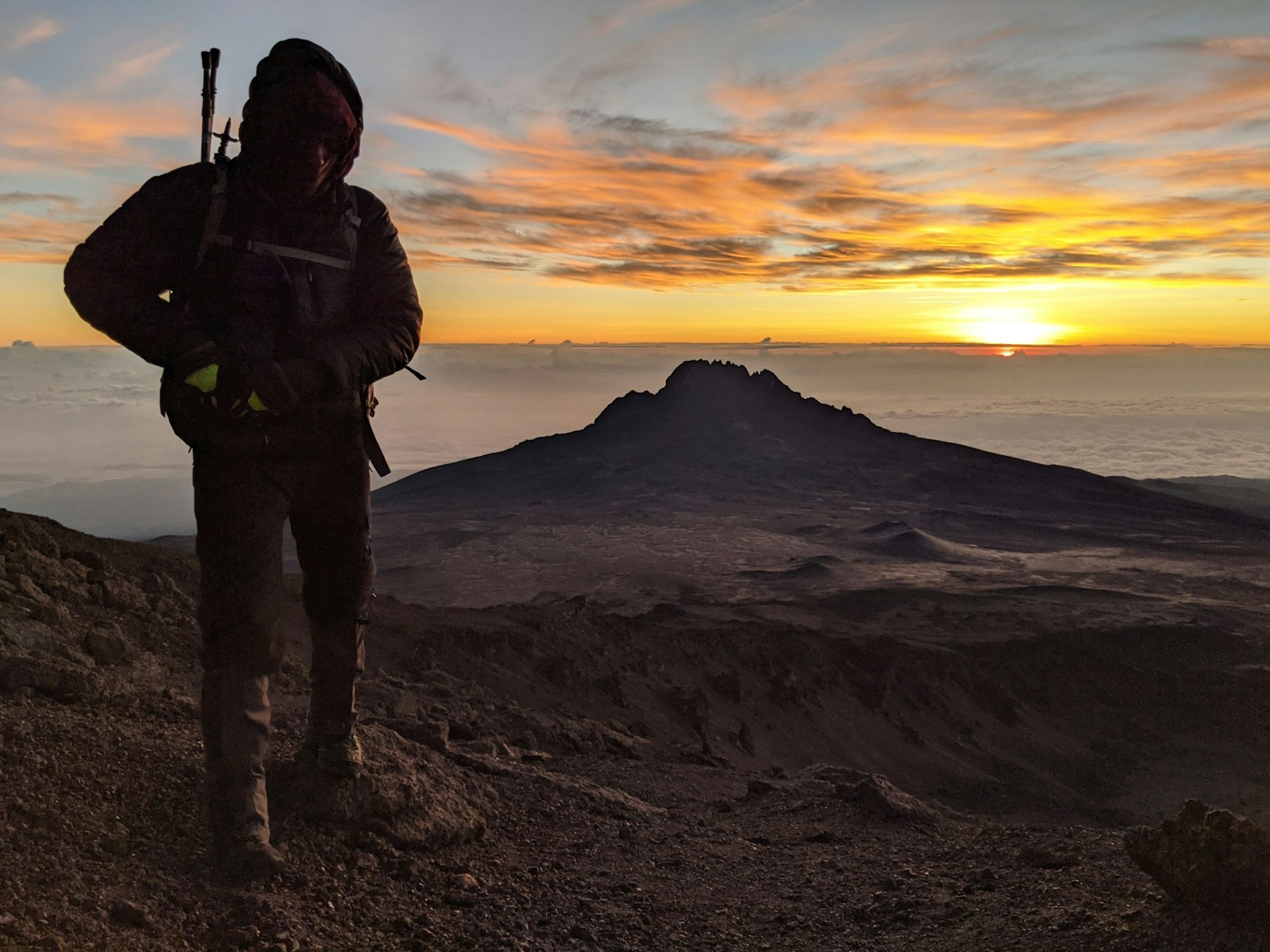
Banff National Park
Canada's first national park, a UNESCO World Heritage Site, and home to some of the most spectacular mountain scenery on Earth.
About Banff National Park
Established in 1885, Banff is Canada's oldest national park and part of the Canadian Rocky Mountain Parks UNESCO World Heritage Site.
📊 Park Facts
Established: 1885 (Canada's first national park)
Area: 6,641 km² (2,564 sq mi)
Elevation: 1,350 m - 3,612 m
Visitors: ~4 million annually
Trails: 1,600+ km of maintained trails
UNESCO: World Heritage Site since 1984
🌍 Geography & Climate
Banff National Park spans the eastern slopes of the Canadian Rockies along the Continental Divide. The park features dramatic peaks, glaciers, turquoise lakes, hot springs, dense forests, and alpine meadows. The climate is continental with cold winters (-10 to -20°C) and warm summers (15 to 25°C).
🏛️ UNESCO Heritage
Since 1984, Banff has been part of the Canadian Rocky Mountain Parks UNESCO World Heritage Site, recognized for its outstanding natural beauty, significant geological features, and exceptional mountain ecosystems spanning four national parks.
Life Zones of the Park
Banff spans three distinct ecological zones, each with unique plants, animals, and landscapes.
🌿 Montane
Elevation: Below 1,500 m
The lowest and warmest zone, found in valley bottoms. Features Douglas fir, aspen groves, and lush meadows. Home to the highest concentration of wildlife including elk, deer, and bears.
🌿 Subalpine
Elevation: 1,500 - 2,200 m
Dense forests of Engelmann spruce and subalpine fir dominate. This zone covers the largest area of the park and features heavy snowfall, avalanche paths, and wildflower meadows.
🌿 Alpine
Elevation: Above 2,200 m
Above the treeline, this harsh environment of rock, ice, and tundra supports hardy lichens, mosses, and small wildflowers. Mountain goats, pikas, and marmots thrive here.
Park Highlights
The essential sights and experiences that make Banff National Park a world-class destination.
Lake Louise
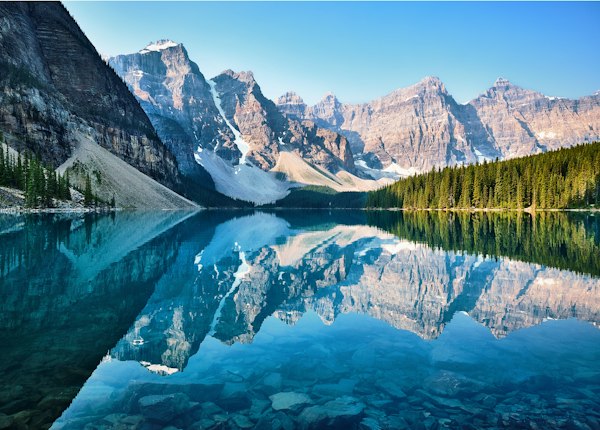
The jewel of the Canadian Rockies, Lake Louise is a turquoise glacial lake set beneath the Victoria Glacier. Visit for hiking, canoeing, skiing, and the iconic view from the Fairmont Chateau. The colour comes from rock flour — fine glacial sediment suspended in the meltwater.
Moraine Lake
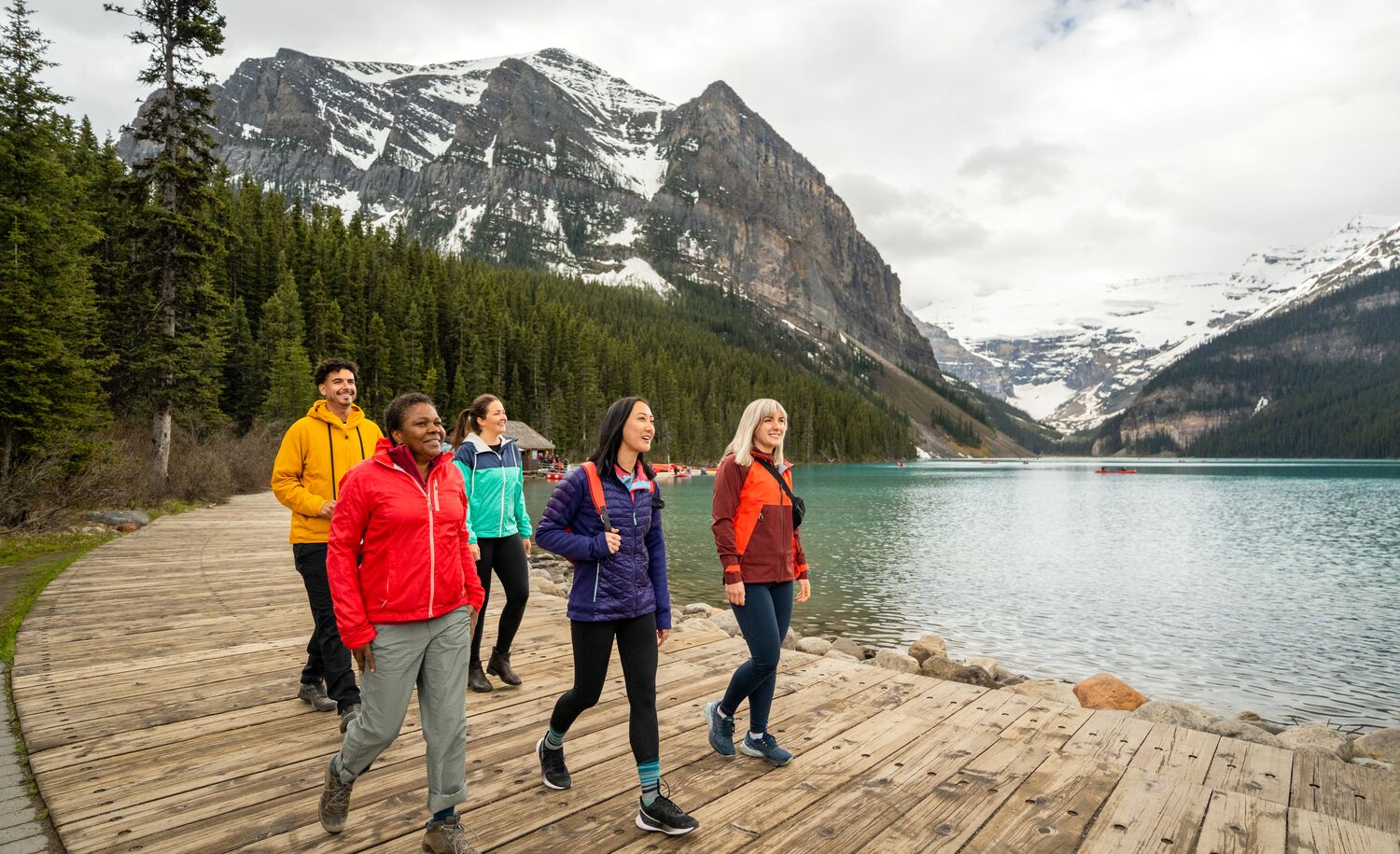
Often called the most beautiful lake in the world, Moraine Lake sits in the Valley of the Ten Peaks. Its impossibly blue water has graced Canadian currency and countless postcards. Access via shuttle is required in peak season to manage the overwhelming demand.
Bow Valley Parkway (1A)
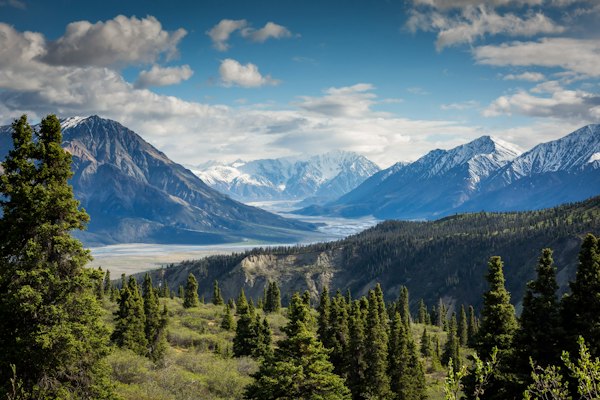
This scenic alternative to the Trans-Canada Highway winds through dense forest and past stunning viewpoints. It's the best road for wildlife viewing, with frequent elk, deer, and bear sightings. Stop at Johnston Canyon and Castle Mountain along the way.
Icefields Parkway
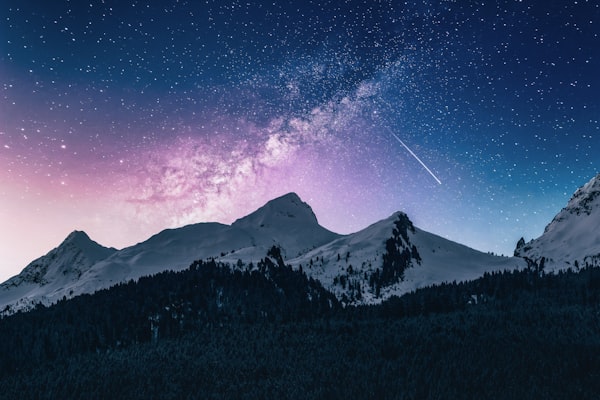
The 232 km highway from Lake Louise to Jasper is one of the world's most scenic drives. Pass towering glaciers, turquoise lakes, thundering waterfalls, and some of the most dramatic mountain scenery anywhere. Stop at Peyto Lake, the Columbia Icefield, and Athabasca Falls.
Lake Minnewanka
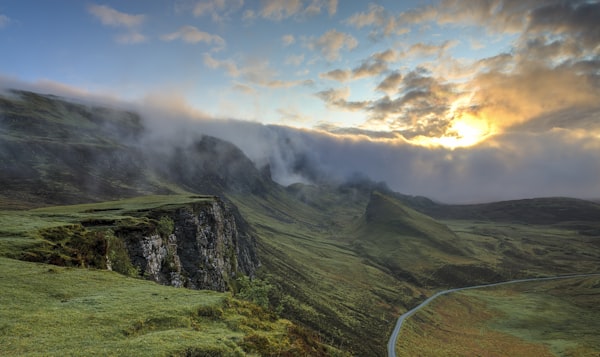
Banff's largest lake stretches 21 km through a dramatic mountain valley. Popular for boat tours, fishing, hiking, and scuba diving to explore the underwater ghost town of Minnewanka Landing, flooded when the dam was built in 1941.
Banff Upper Hot Springs
Soak in naturally heated mineral water at 37-40°C while gazing at Rundle Mountain. These hot springs have attracted visitors since the 1880s and remain one of Banff's most popular attractions year-round.
Practical Information
Everything you need to know before visiting Banff National Park.
🎫 Park Passes & Fees
Daily Pass: $10.50 CAD/adult, $9.00/senior, free for youth (17 & under)
Discovery Pass: $72.25/adult for unlimited access to all national parks for a full year.
Purchase online or at park entry gates. Passes are required for all vehicles stopping in the park.
🚗 Getting Here
From Calgary Airport: 1.5 hours west on the Trans-Canada Highway (Hwy 1).
Brewster Express: Shuttle service from Calgary Airport to Banff.
Driving: From Vancouver (9 hrs), Edmonton (4.5 hrs).
No Banff Airport: The nearest airports are Calgary (YYC) and Edmonton (YEG).
🏛️ Visitor Centres
Banff Visitor Centre: 224 Banff Avenue — maps, trail conditions, park passes, and expert advice.
Lake Louise Visitor Centre: Next to the Samson Mall — trail reports and backcountry permits.
Both open daily with seasonal hours.
📋 Park Regulations
No drones allowed without a permit. No feeding wildlife. No removing plants, rocks, or artifacts. Dogs must be on leash at all times. Campfires only in designated fire pits. All garbage must be stored in bear-proof containers.
🚌 Getting Around
Roam Transit: Public buses connect Banff, Canmore, Lake Louise, and Johnston Canyon. Free with some hotel stays.
Parks Canada Shuttles: Required for Moraine Lake and Lake Louise in summer (must pre-book).
Car: Most flexible option but parking can be challenging in summer.
📱 Cell Service & WiFi
Good cell service in Banff and Lake Louise villages. Spotty to no service on most hiking trails, the Icefields Parkway, and backcountry areas. Download offline maps before heading out. Most hotels and restaurants have WiFi.
Book Park Tours & Experiences
From guided sightseeing tours to backcountry adventures, explore all that Banff National Park has to offer with expert guides.
Browse Park Tours on GetYourGuide →🏔️ First-Time Visitor Tips
Allow Enough Time: Most visitors wish they had more time. Plan at least 3-5 days to see the highlights, a week or more to explore in depth.
Book Early: Accommodation, campgrounds, and shuttle reservations fill up months in advance for July-August. Start planning in January.
Layer Up: Mountain weather changes rapidly. Bring layers even in summer — temperatures can drop 15°C between valley floor and summit.
Gas & Supplies: Fill up on gas in Canmore or Banff. There are limited services between Banff and Jasper on the Icefields Parkway.
Respect the Environment: Practice Leave No Trace principles. Take only photos, leave only footprints. This pristine wilderness depends on responsible visitors.