Wildlife in Banff
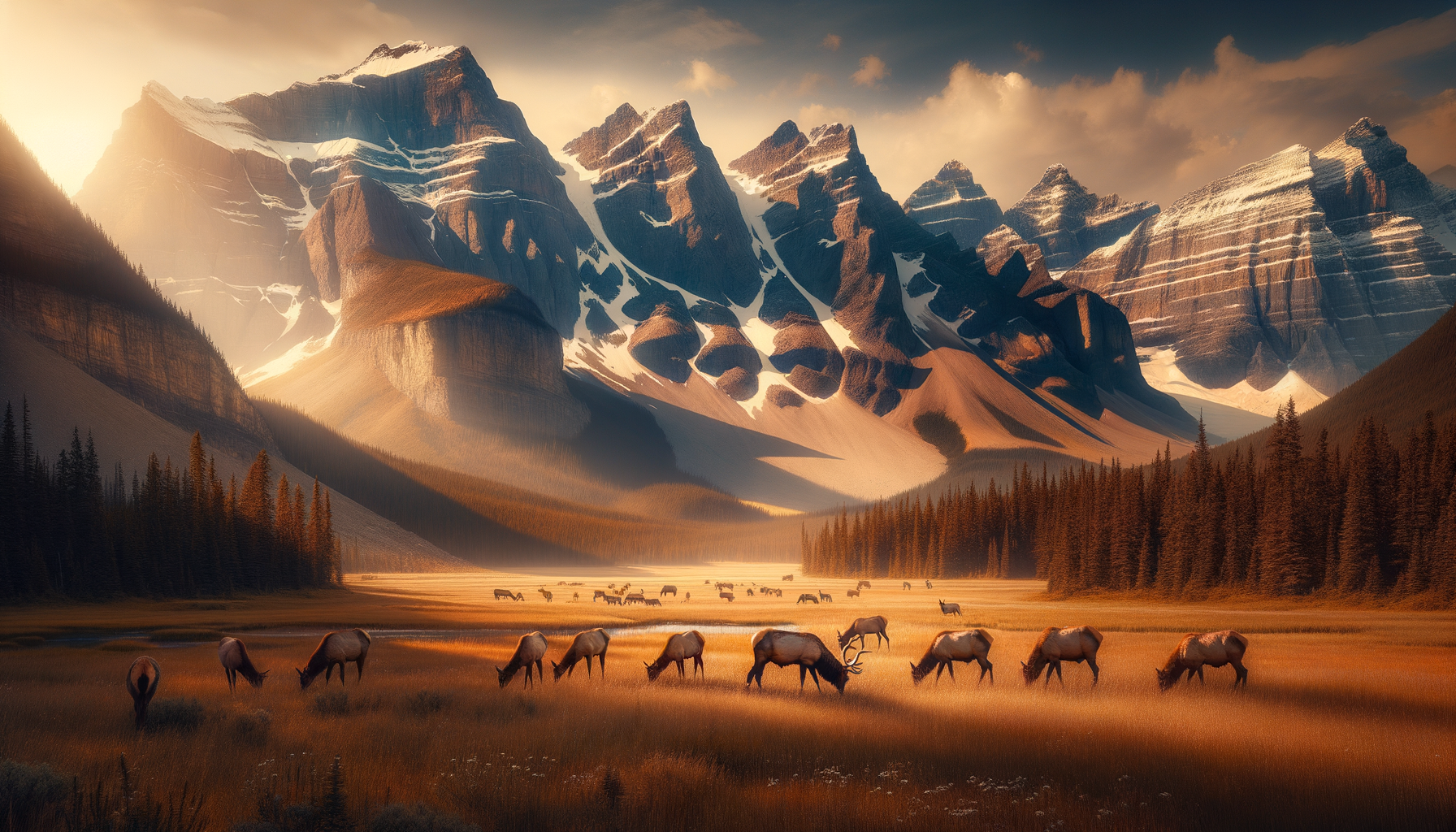
Home to grizzly bears, elk, wolves, and over 260 bird species, Banff National Park is one of North America's premier wildlife destinations.
Banff's Wildlife
From the towering moose to the soaring eagle, discover the incredible animals that call the Canadian Rockies home.
Elk (Wapiti)
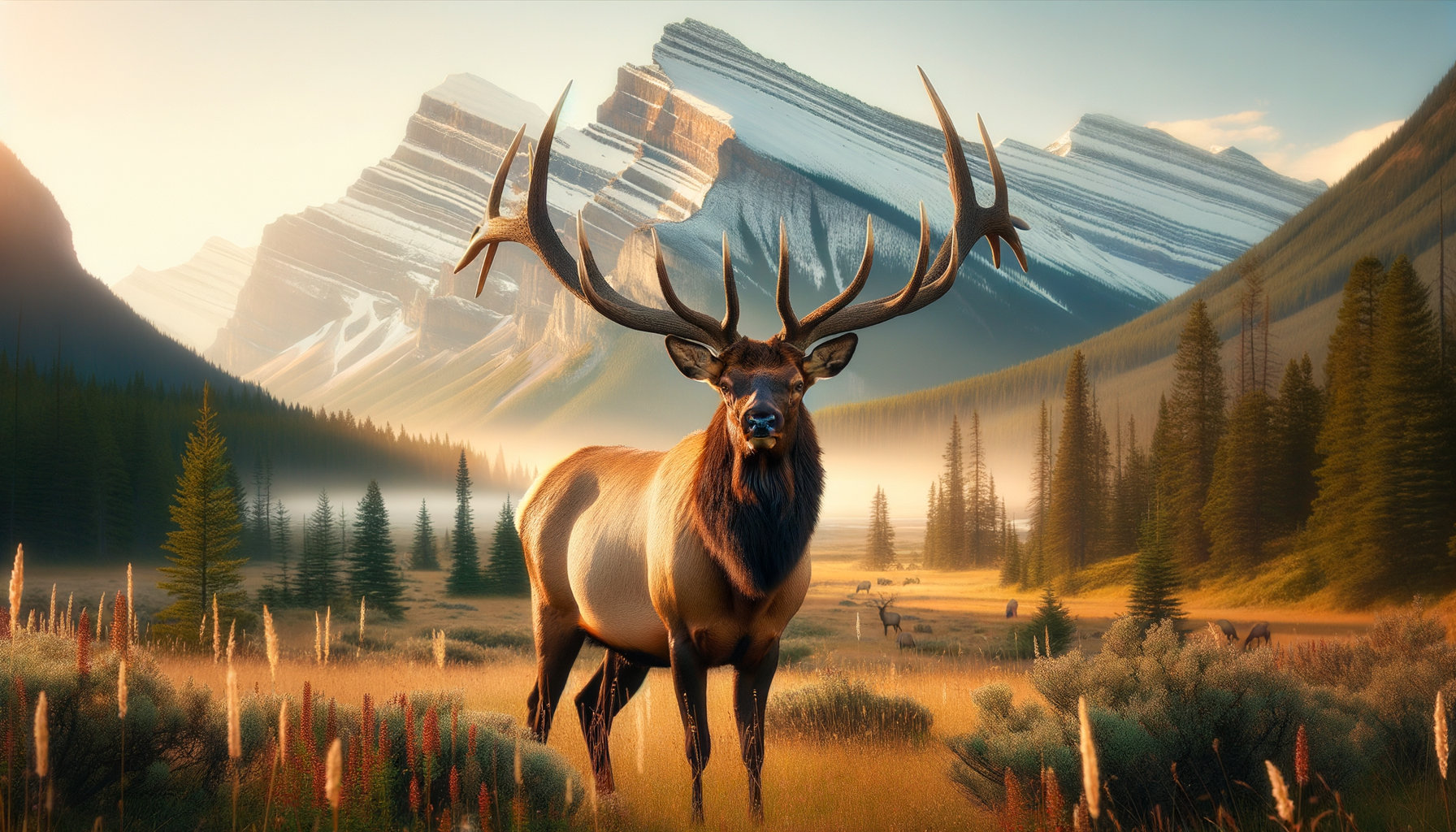
The most commonly seen large mammal in Banff. Elk roam freely through the town of Banff, especially in fall during the rutting season. Males sport impressive antlers and can be heard bugling in September and October. Keep at least 30 metres distance — bull elk are aggressive during rut.
Grizzly Bear
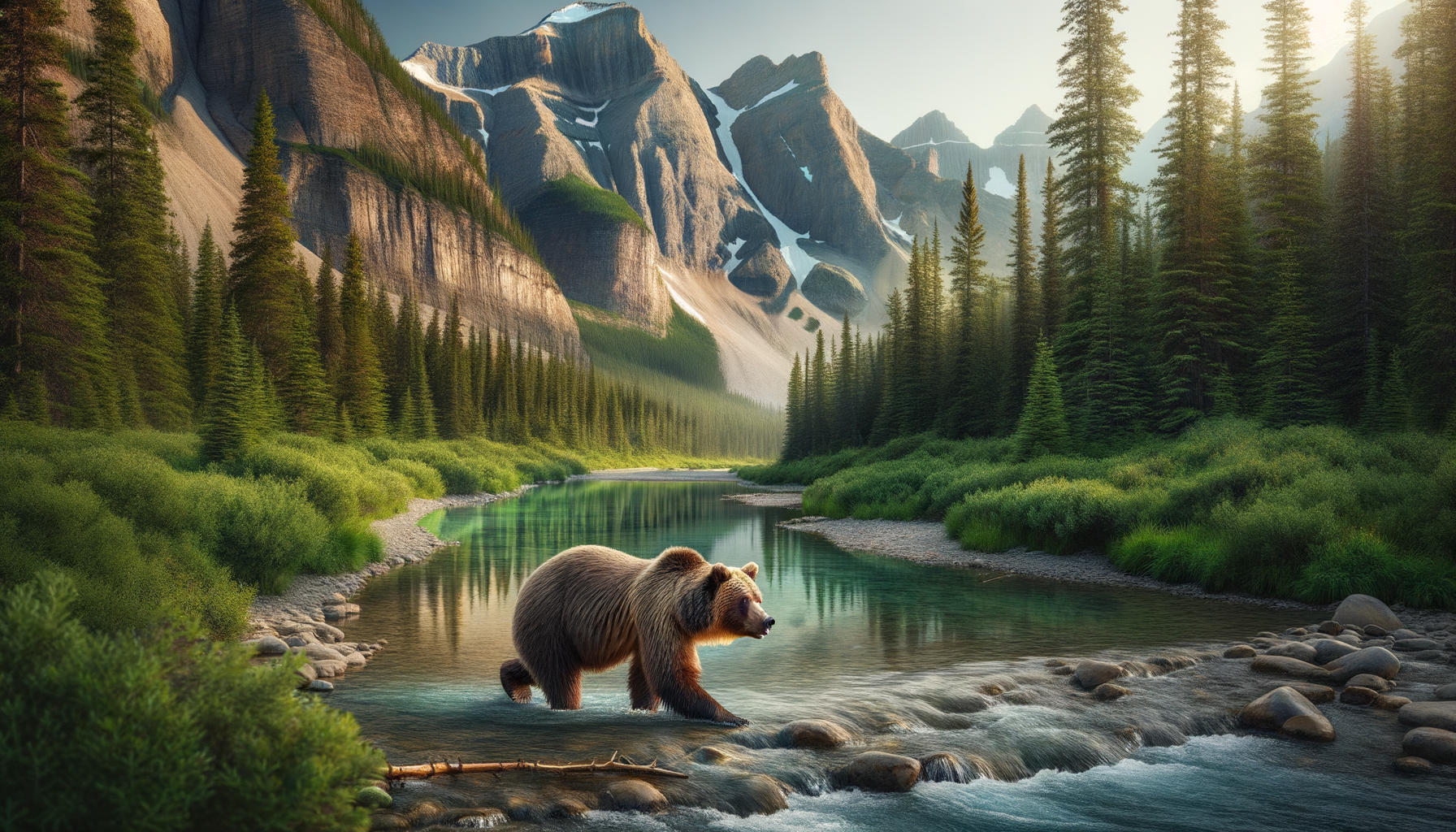
Banff is home to an estimated 65 grizzly bears. These powerful omnivores emerge from hibernation in April and can be spotted feeding on berries, roots, and occasionally along streams during salmon season. Grizzlies have a distinctive shoulder hump and dish-shaped face.
Black Bear
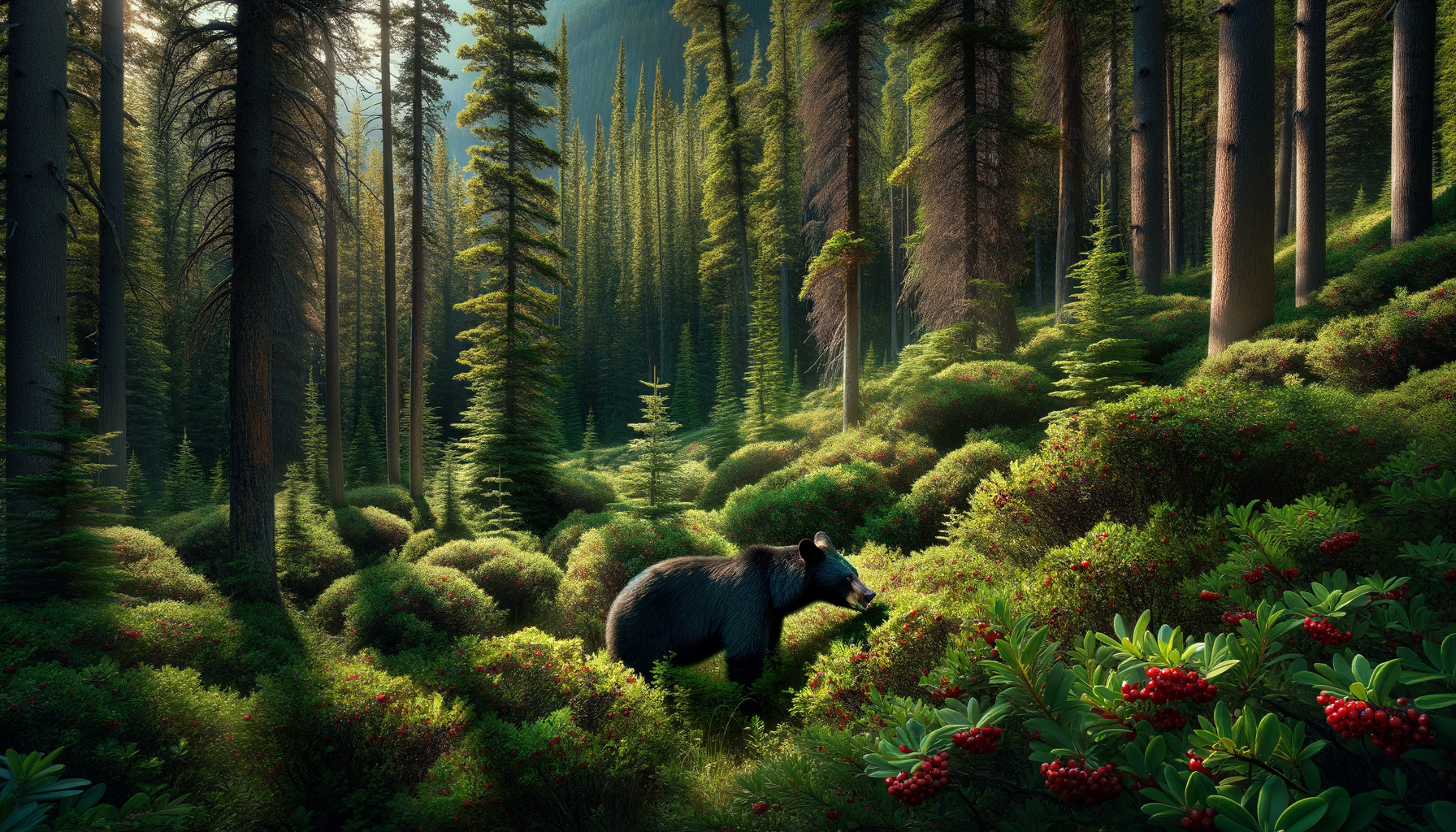
Smaller and more common than grizzlies, black bears are found throughout the park's forested areas. Despite their name, they can be brown, cinnamon, or blonde. They're excellent tree climbers and often spotted near berry patches in late summer.
Bighorn Sheep
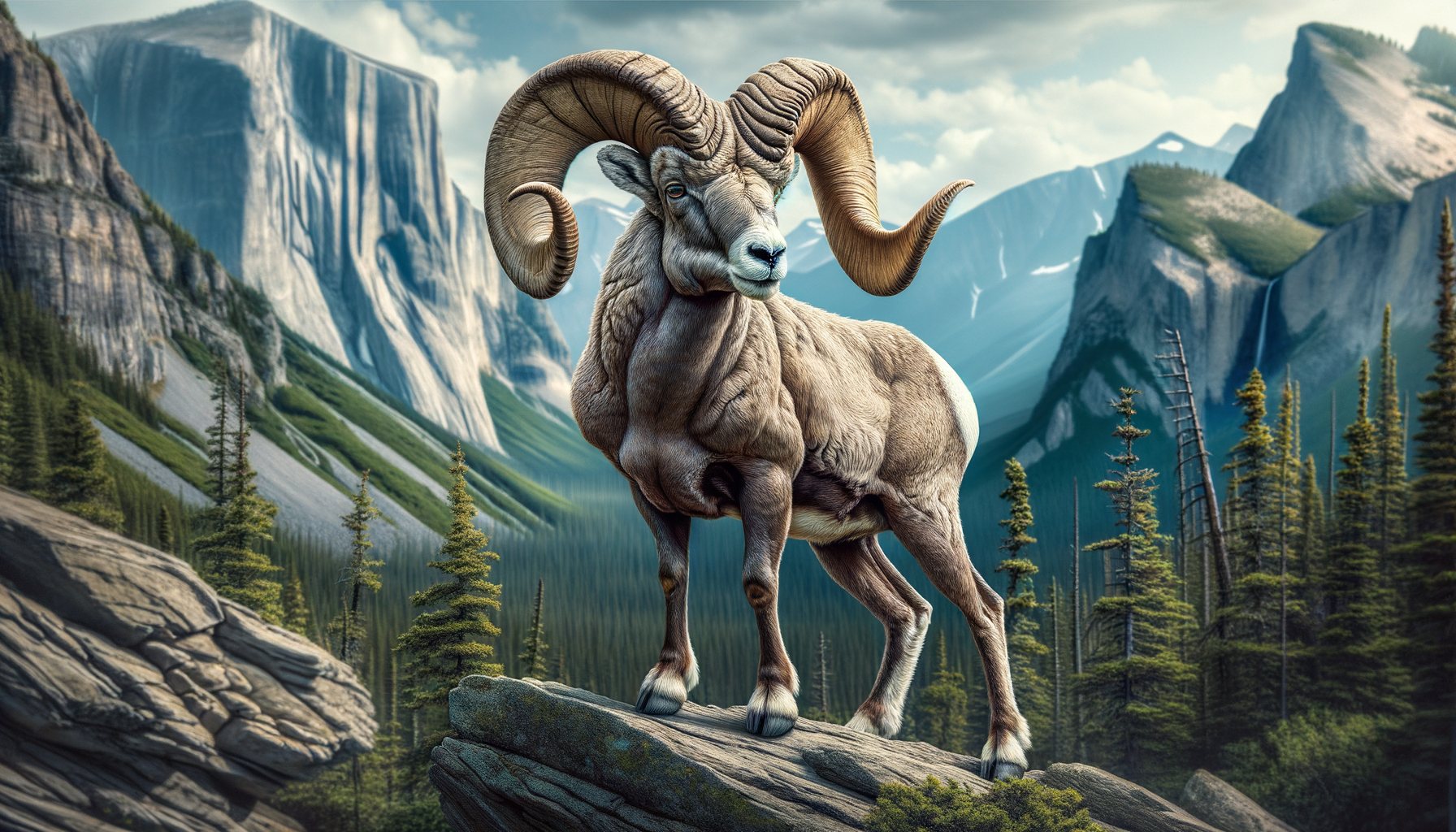
Rocky Mountain bighorn sheep are a symbol of the Canadian Rockies. Males sport massive curling horns that they smash together during dramatic head-butting battles in the fall rut. They're often seen on rocky slopes and near mineral licks along roadways.
Mountain Goat
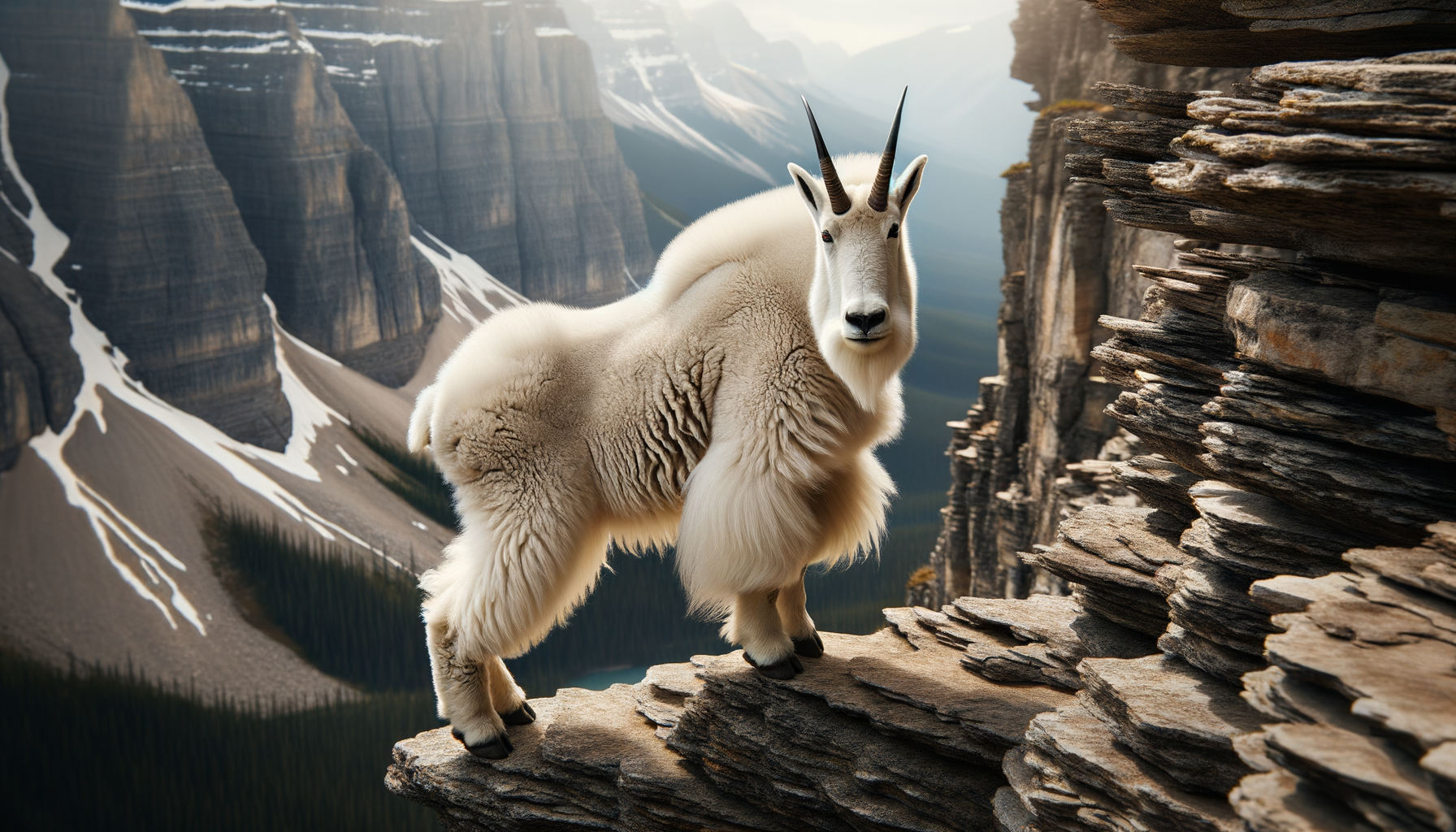
These sure-footed climbers inhabit the highest, most rugged terrain in the park. With their shaggy white coats and black horns, mountain goats are perfectly adapted to life on steep cliffs where few predators can follow.
Moose
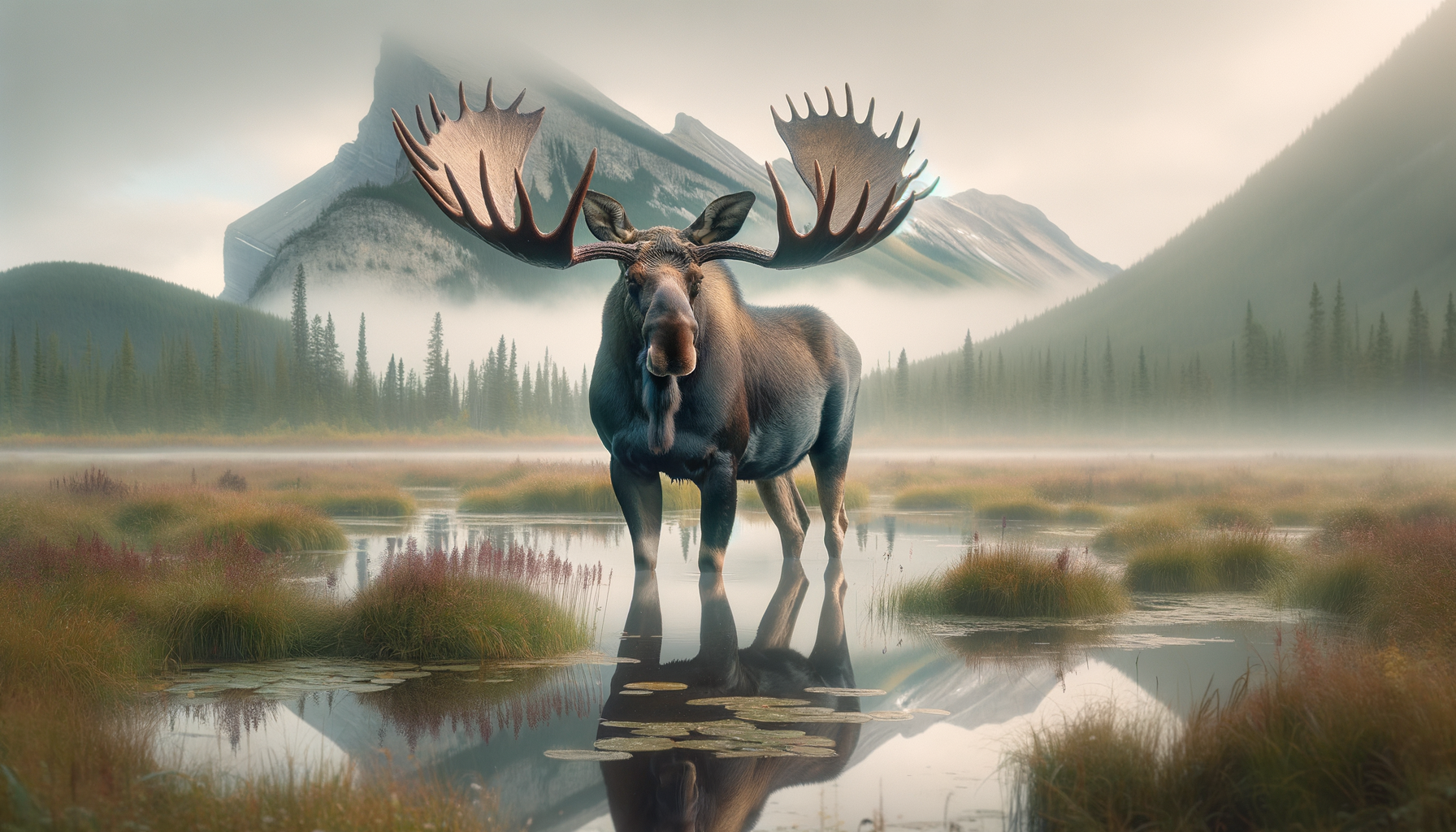
The largest member of the deer family, moose are solitary and elusive. They prefer marshy areas, willow thickets, and quiet waterways. A bull moose can stand over 2 metres tall at the shoulder and weigh up to 700 kg.
Wolves
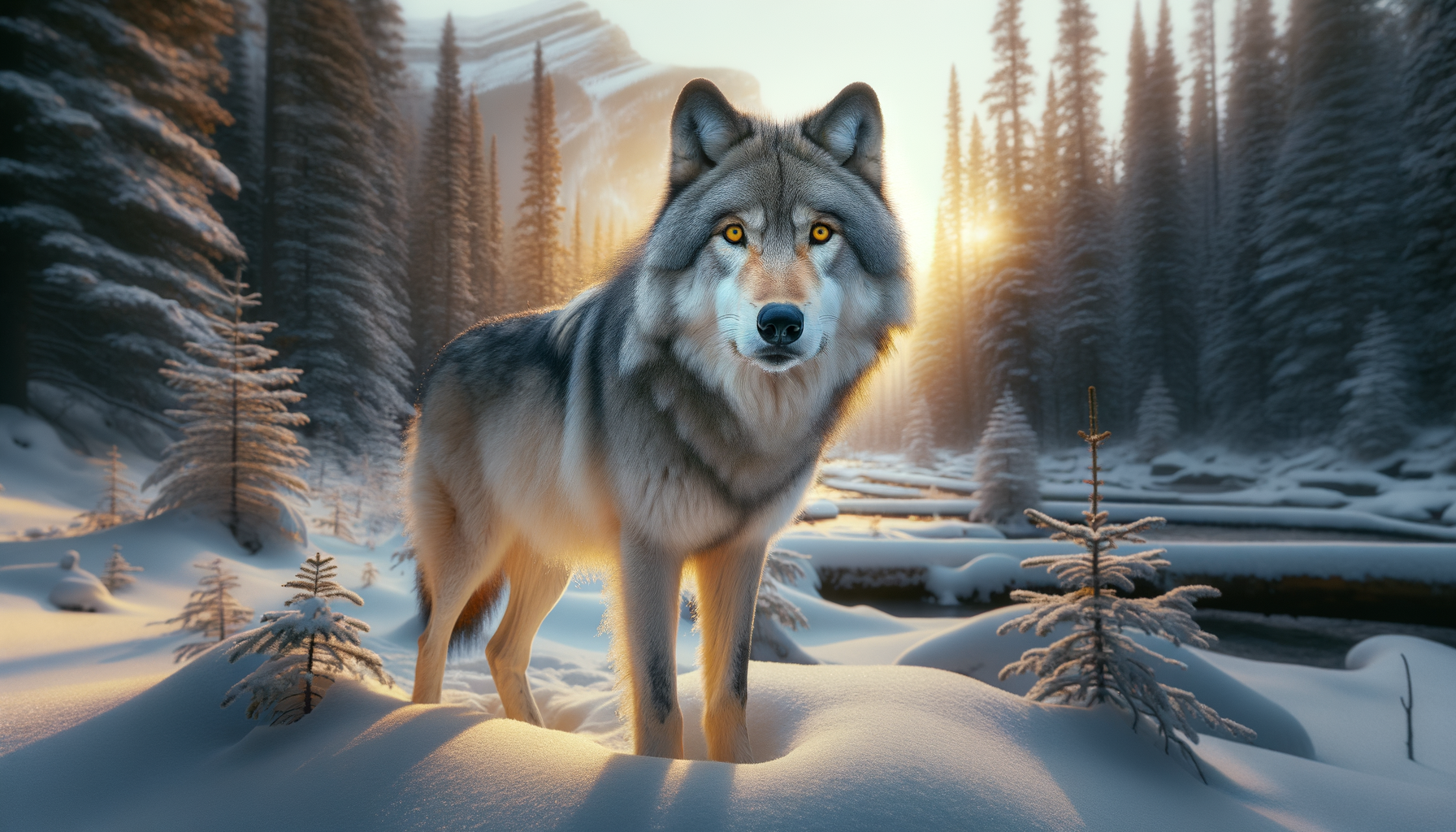
The Bow Valley wolf pack has been studied for decades. Wolves are rarely seen but occasionally spotted along the Bow Valley Parkway at dawn or dusk. Their haunting howls echo through the valleys on quiet winter nights.
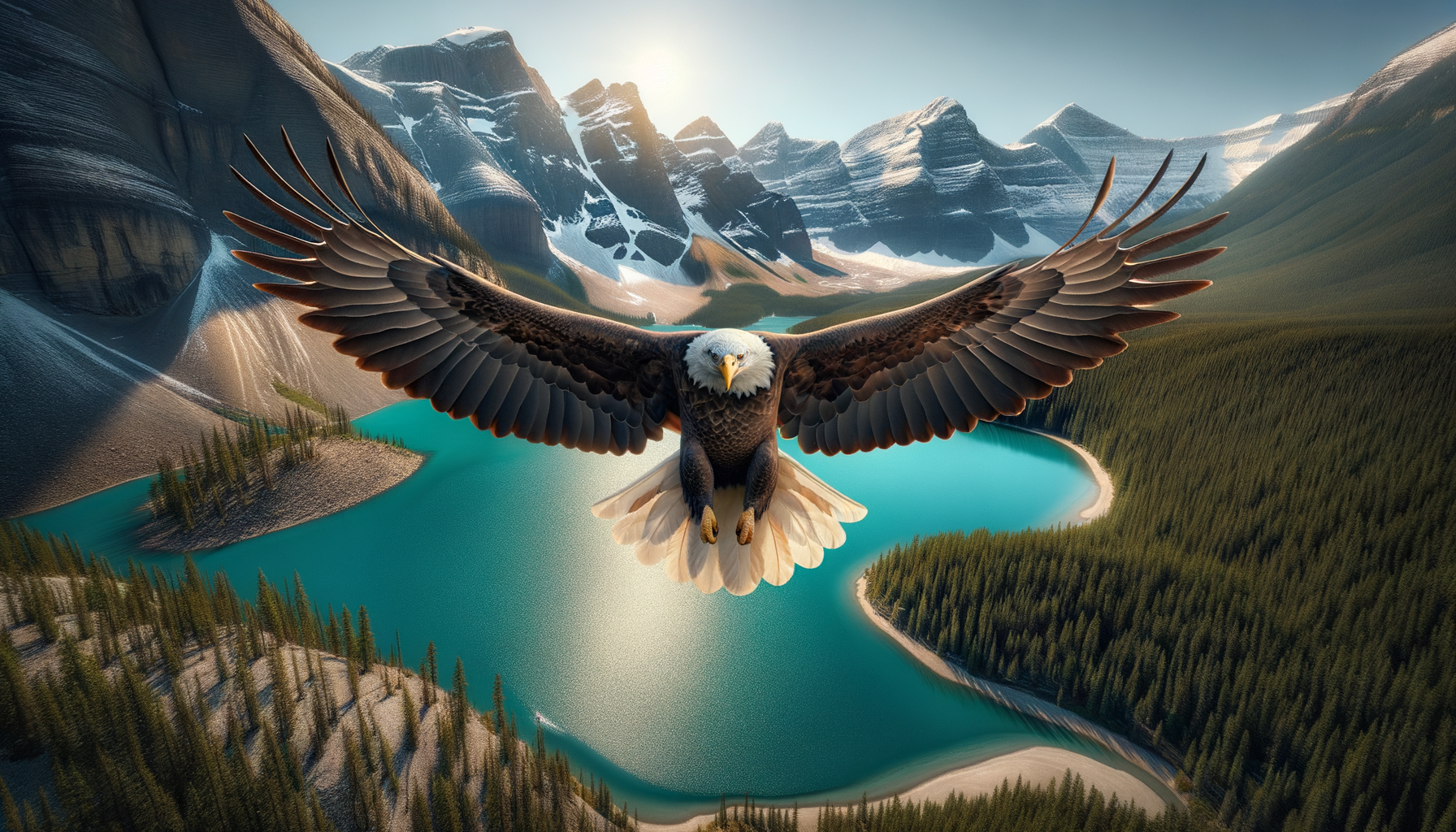
Bald Eagles & Golden Eagles
Both bald and golden eagles soar above Banff's valleys. Bald eagles are often seen near water, hunting fish, while golden eagles patrol the alpine ridges. The Abraham Lake area east of the park is famous for eagle concentrations in winter.
Wildlife Safety Rules
Parks Canada regulations exist to protect both you and the animals. Violations can result in fines up to $25,000.
📏 Keep Your Distance
Bears & cougars: 100 metres minimum.
Elk, moose, sheep, goats: 30 metres minimum.
Use binoculars or a telephoto lens — never approach wildlife for a photo or selfie.
🚫 Never Feed Wildlife
Feeding wildlife is illegal in national parks. Human food habituates animals to people, which often leads to the animal being relocated or euthanized. A fed bear is a dead bear.
🐻 Bear Spray
Carry bear spray when hiking and know how to use it. It should be in a hip holster for quick access, not buried in your backpack. Bear spray is effective at stopping 98% of bear charges.
🚗 Driving Safely
Wildlife-vehicle collisions are a serious issue. Obey speed limits (especially on the Bow Valley Parkway) and watch for animals on or near the road, particularly at dawn and dusk.
🏕️ Food Storage
Store all food, coolers, and scented items in bear-proof containers or your vehicle trunk. Never leave food unattended at campsites or picnic areas.
🐕 Dogs on Leash
Dogs must be on leash at all times in the national park. Off-leash dogs can trigger predatory behaviour in wildlife and disturb sensitive species.
Book a Wildlife Safari
Join expert naturalist guides who know where and when to find Banff's wildlife. Guided safaris dramatically increase your chances of memorable sightings.
Browse Wildlife Tours on GetYourGuide → Find Hotels on Expedia →📸 Wildlife Photography Tips
Golden Hours: The best wildlife photography happens in the first and last hour of daylight when animals are most active and the light is warmest.
Telephoto Lens: A 200-400mm lens is essential. Wildlife must be photographed from a safe distance — zoom in, don't walk in.
Patience Pays Off: Find a known wildlife corridor, set up quietly, and wait. Rushing through the park rarely yields the best sightings.
Know the Seasons: Fall elk rut (September), spring bear emergence (April-May), and winter wolf activity offer the most dramatic wildlife moments.
Respect the Wildlife: If an animal changes its behaviour because of your presence, you are too close. Back away slowly.