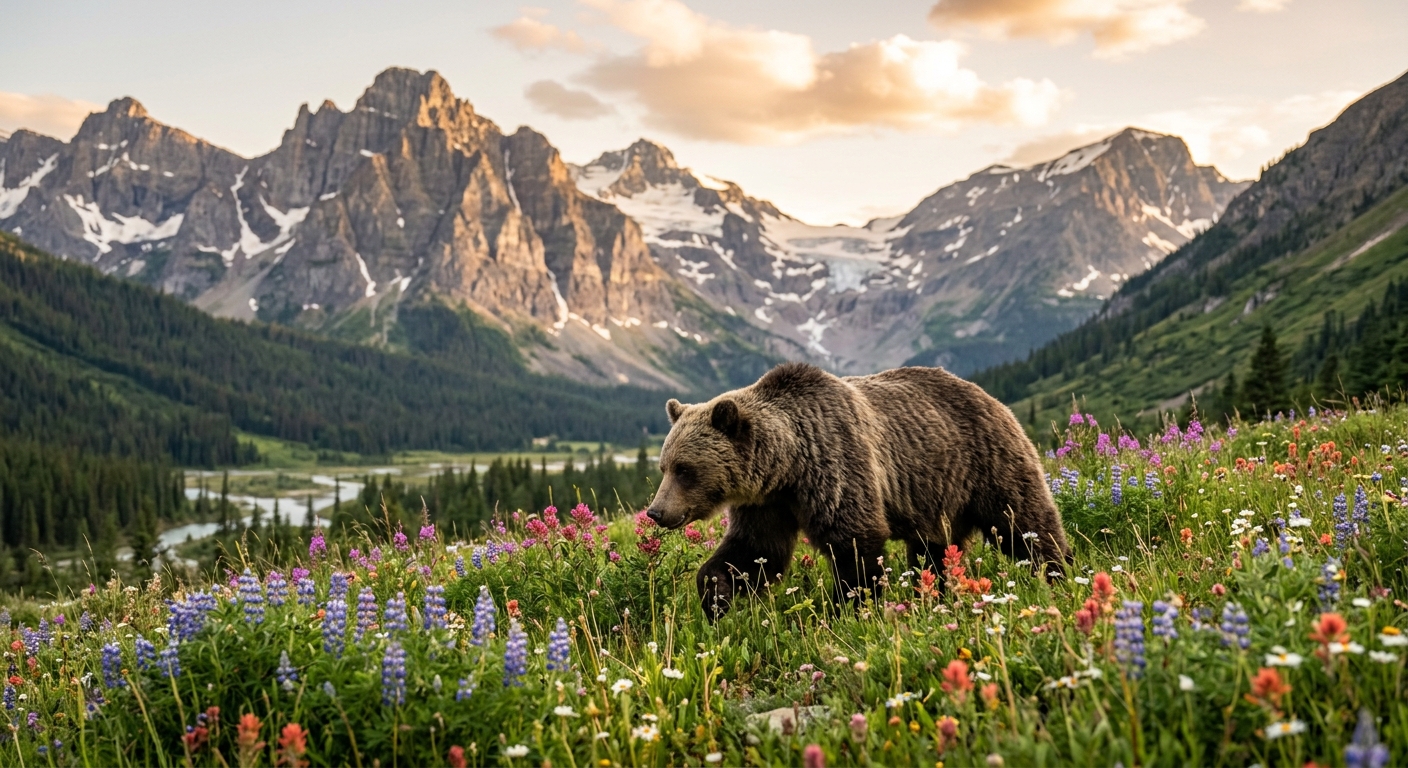
Banff National Park is bear country. Both black bears and grizzly bears live in the park, and while encounters are relatively rare, they do happen. Understanding bear behaviour and knowing what to do can mean the difference between a safe encounter and a dangerous one. This guide covers everything you need to know about bear safety in Banff.
Bears in Banff
Banff National Park is home to approximately 60-80 grizzly bears and a larger population of black bears. Bears are most active from April through November, with peak activity during berry season (July-September) and the pre-hibernation feeding frenzy in fall (September-October).
Black Bears vs Grizzly Bears
Knowing which species you're dealing with is important because the recommended responses differ:
- Black bears: Smaller (60-180 kg), straight facial profile, tall ears, no shoulder hump. Colour ranges from black to brown to cinnamon
- Grizzly bears: Larger (130-360 kg), dish-shaped facial profile, small rounded ears, distinctive shoulder hump. Usually brown with grizzled (silver-tipped) fur
Note: Colour alone is NOT a reliable identifier — black bears can be brown, and grizzlies can be dark. Look at the facial profile, ears, and shoulder hump.
Prevention: Avoiding Encounters
The best bear encounter is the one that never happens. Follow these prevention strategies on every hike:
Make Noise
Bears generally avoid humans if they hear you coming. Talk loudly, clap, sing, or call out regularly — especially when approaching blind corners, dense brush, or streams (where water noise drowns out your approach). Bear bells are better than nothing but not as effective as a loud human voice.
Travel in Groups
Groups of 4 or more are significantly less likely to have a bear incident. Parks Canada requires groups of 4+ on some trails during high bear activity periods (e.g., Larch Valley during larch season).
Stay on Designated Trails
Trails are routed to minimize wildlife conflicts. Going off-trail increases your chances of surprising a bear.
Be Alert
Watch for fresh bear signs: tracks, droppings (scat), turned-over rocks, claw marks on trees, and digging. If you see fresh sign, be extra cautious or consider turning back.
Manage Your Food
Bears are attracted by food smells. On the trail, store food in sealed containers and never leave food unattended. In camp, use provided bear storage lockers or hang food on bear poles/cables. This includes all scented items — cooking supplies, toiletries, sunscreen, toothpaste.
Bear Spray: Your Most Important Tool
Bear spray is the single most effective tool for stopping a charging bear. It's a concentrated capsaicin (pepper) spray that creates a cloud between you and the bear.
- Carry it: On your hip or chest harness — NOT in your backpack. You need it accessible in seconds
- Know how to use it: Remove the safety clip, aim slightly downward at the approaching bear, and spray a 2-3 second burst when the bear is 6-9 metres away. Spray in a sweeping motion to create a wall of spray
- Check expiry date: Bear spray expires. Replace it if expired
- Buy or rent in Banff: Available at most outdoor shops in town. Some rental companies offer bear spray rental
What to Do During an Encounter
If You See a Bear at a Distance (100+ metres)
- Stop and assess the situation calmly
- Do not approach the bear
- Speak calmly so the bear knows you're human
- Slowly back away the way you came
- Give the bear space to leave the area
If a Bear Approaches You
- Stay calm — do not run (bears can run 50 km/h — you cannot outrun them)
- Speak in a calm, firm voice
- Make yourself look large — stand tall, raise your arms, stand together if in a group
- Prepare your bear spray
- Back away slowly if the bear is not approaching
If a Bear Charges
Most charges are bluff charges — the bear stops short. Stand your ground, prepare your bear spray, and deploy it when the bear is within 6-9 metres. Do NOT run.
If a Bear Makes Contact
- Grizzly bear (defensive attack — protecting cubs or food): Play dead. Lie face down, hands clasped behind your neck, legs spread. Do not fight back. The bear usually leaves once the perceived threat is neutralized
- Black bear (or any predatory attack — bear is stalking you): Fight back aggressively. Hit the bear in the face and nose with anything available — rocks, sticks, fists. A predatory bear will not be deterred by playing dead
Reporting Bear Sightings
Report all bear sightings and encounters to Parks Canada at 403-762-1470. This helps park staff manage trails and warn other visitors. Trail closures due to bear activity are posted at trailheads and on the Parks Canada website.
Enjoyed this guide? Get weekly Banff tips.