Wildlife Encounter Safety
What to do if you encounter a bear, elk, cougar, or wolf in Banff. Species-specific protocols that could save your life.
Banff Wildlife Encounter Protocols
Banff National Park is home to grizzly bears, black bears, elk, cougars, wolves, and more. Most wildlife encounters are peaceful and thrilling — but you need to know what to do if an animal becomes aggressive. This guide covers species-specific emergency protocols based on Parks Canada guidelines.
🐻 Bear Encounter Protocol
Bears are the most common dangerous wildlife encounter in Banff. Knowing the difference between grizzly and black bear behaviour can save your life.
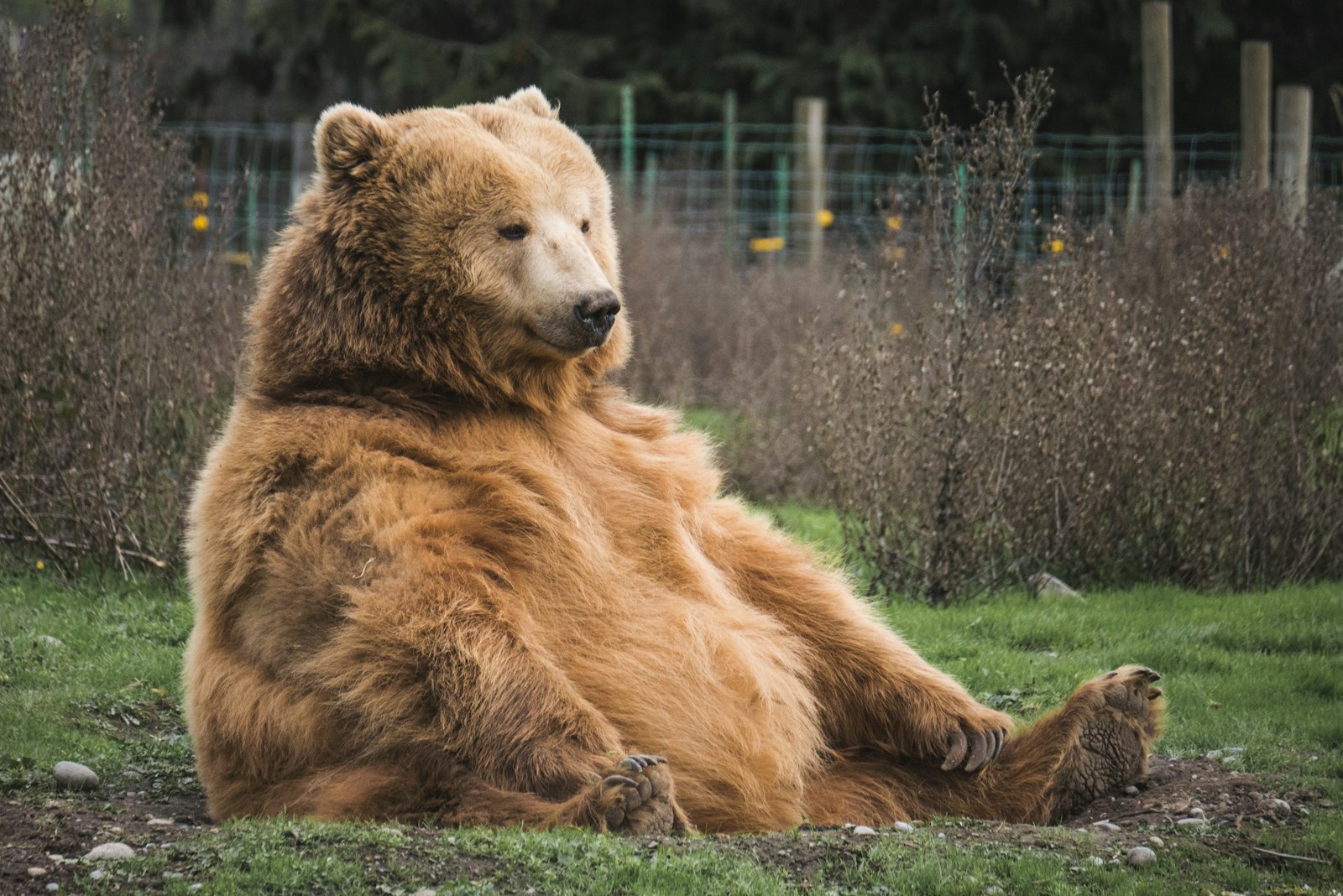
Grizzly Bear
Identification: Shoulder hump, dish-shaped face, longer claws, typically brown/blonde
If you see a grizzly:
- Stay calm. Do NOT run — bears can run 50 km/h
- Speak in a calm, low voice so the bear knows you're human
- Back away slowly. Do not make direct eye contact
- If it charges — stand your ground. Most charges are bluffs
- Use bear spray when the bear is within 6-10 metres
If a grizzly makes contact:
- Play dead. Lie face down, spread your legs, protect your neck with hands
- Keep your backpack on for protection
- Stay still until the bear leaves the area
- Exception: If the attack is prolonged or the bear starts feeding, fight back — this means it's predatory
Black Bear
Identification: No shoulder hump, straight face profile, shorter claws, can be black, brown, or cinnamon
If you see a black bear:
- Stay calm. Do NOT run
- Make yourself look big — raise your arms, stand on a rock
- Make noise — yell, clap, bang pots
- Back away slowly while facing the bear
- Use bear spray if it approaches within 6-10 metres
If a black bear makes contact:
- Fight back aggressively. Do NOT play dead
- Use anything available — rocks, sticks, fists, bear spray
- Target the nose and eyes
- Black bear attacks are more likely to be predatory — fighting back is your best chance
🦌 Elk Encounter Protocol
Elk are the most frequently encountered large animal in Banff — and one of the most dangerous, especially during the fall rut (September-October).
- Maintain 50+ metres distance at all times
- During fall rut, bull elk are extremely aggressive and will charge without warning
- Cow elk with calves (spring) are also protective and dangerous
- If an elk lowers its head, pins back its ears, or paws the ground — it's about to charge
- Back away slowly. Get behind a tree, car, or building
- Do NOT turn your back. Do NOT run — this triggers chase behaviour
- If knocked down, curl into a ball and protect your head and neck
🐆 Cougar Encounter Protocol
Cougar (mountain lion) sightings in Banff are extremely rare. These solitary, nocturnal predators actively avoid humans.
- Do NOT run — this triggers a predatory chase response
- Make yourself appear as large as possible — raise arms, open jacket wide
- Maintain eye contact with the cougar
- Pick up small children immediately without bending over
- Back away slowly while facing the animal
- Make loud noises — shout, clap, throw rocks near (not at) the cougar
- If attacked, fight back aggressively — target eyes and nose
- Use bear spray if available
🐺 Wolf Encounter Protocol
Wolves live in Banff but are rarely seen. They generally avoid humans. If you encounter a wolf:
- Maintain a safe distance — at least 100 metres
- Do NOT approach, even if the wolf appears calm or curious
- Back away slowly while facing the animal
- Make yourself large and make noise
- Do NOT run — maintain calm, assertive body language
- Report all wolf sightings to Parks Canada at 403-762-4506
🧴 How to Use Bear Spray — Step by Step
Bear spray is 92% effective at stopping aggressive bears. It works on all wildlife. Here's how to use it correctly:
Flip the orange safety tab off with your thumb. Practice this before your hike.
Grip the canister firmly with both hands, arms extended in front of you.
The spray creates an expanding cloud. Aim for the area between you and the animal, slightly below face level.
Wait until the bear is within 6-10 metres (20-30 feet). Spray too early and it will dissipate before reaching the bear.
Spray a 2-3 second burst in a sweeping motion to create a wall of spray the bear must pass through.
Continue backing away while the spray cloud takes effect. Be ready to spray again if needed — most cans have 6-8 seconds of spray.