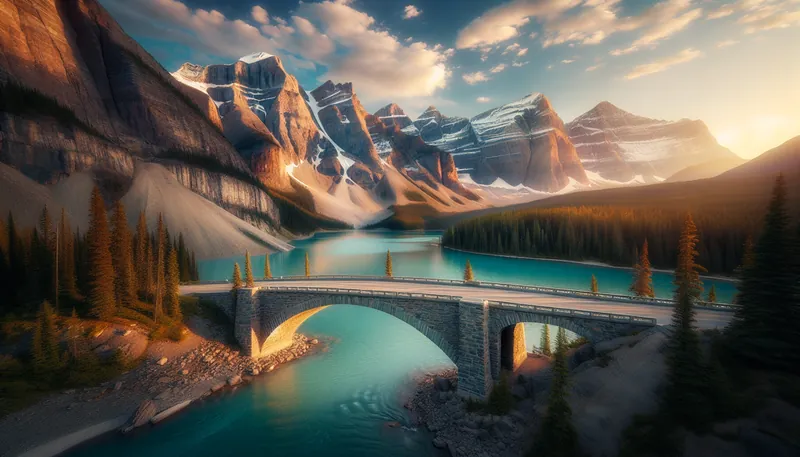
When you think of iconic Canadian landmarks, the magnificent bridges of Banff National Park likely come to mind. These architectural marvels not only serve as vital transportation links through the Rocky Mountains but also offer some of the most breathtaking vantage points in all of Canada. If you're crossing rushing rivers, spanning dramatic gorges, or simply seeking that perfect Instagram shot, Banff's bridges are destinations unto themselves that deserve a prominent spot on your 2026 travel itinerary.
The Famous Bow River Bridge: Banff's Most Photographed Span
The Bow River Bridge stands as perhaps the most recognizable Banff bridge, offering postcard-perfect views of the Bow River Valley and the towering peaks beyond. Located along the Bow Valley Parkway (Highway 1A), this concrete arch bridge has been welcoming visitors since its construction and continues to be a must-stop location for photographers and sightseers alike.
What makes this bridge special isn't just its sturdy construction, but the panoramic views it provides. From the bridge deck, you'll have unobstructed sightlines to Mount Rundle to the south and Cascade Mountain to the north. The bridge sits approximately 2.5 km east of downtown Banff, making it an easy addition to any day trip itinerary.
For the best photography opportunities, visit during the golden hours just after sunrise or before sunset. The lighting during these times creates a warm glow on the mountain faces while the Bow River below reflects the sky like a mirror. Parking is available at small pullouts on either side of the bridge, though spaces fill quickly during peak summer months.
Surprise Corner Bridge and the Castle Mountain Viewpoint
Venture further along the Bow Valley Parkway, and you'll encounter the bridge near Surprise Corner, offering one of the most dramatic viewpoints of Castle Mountain. This location provides an excellent vantage point to appreciate both the engineering of the bridge infrastructure and the raw beauty of the Canadian Rockies.
The area around this bridge features several walking trails that extend your visit beyond just a quick photo stop. The Castle Lookout Trail begins nearby and offers a moderate 3.7 km hike to an elevated viewpoint. The trailhead parking area can accommodate about 15 vehicles, and Parks Canada recommends arriving early during peak season (July through September) to secure a spot.
As of 2026, the day-use parking fee for this area is $11.70 CAD per vehicle, or you can purchase an annual Banff Parks Canada Discovery Pass Prices & Savings Tips Canada Discovery Pass for $72.25 CAD, which provides access to all national parks across Canada.
Wildlife Viewing Opportunities
The bridge areas along the Bow Valley Parkway are prime locations for wildlife spotting. Elk frequently graze in the meadows visible from the bridge, while black bears and the occasional grizzly bear can be observed from a safe distance. Always maintain at least 100 meters distance from bears and 30 meters from elk, as mandated by Parks Canada regulations.
Historic Railway Bridges: Engineering Marvels of the Past
Banff's railway heritage is beautifully preserved in several historic railway bridges that continue to operate today. The Canadian Pacific Railway bridge system winds through the park, with several incredible crossings that showcase both historical significance and engineering prowess.
One of the most photographed railway bridges spans the Bow River near the Banff Springs Hotel. This steel trestle bridge, built in the early 1900s, still carries freight and passenger trains through the valley. The Rocky Mountaineer luxury train service crosses this bridge during its scenic journeys, offering passengers outstanding views from the comfort of glass-domed cars.
For the best viewing and photography of these railway bridges, position yourself along the Bow River pathway system. The paved pathway extends for over 5 km along the river and provides multiple vantage points. The pathway is wheelchair accessible and suitable for families with strollers.
Planning Your Bridge-Hopping Adventure
Creating an itinerary that includes multiple Banff bridge locations requires some strategic planning, especially if you're also considering excursions to nearby attractions. For instance, if you're planning the journey from Takakkaw Falls to Banff, you'll want to factor in the 45 km drive time along the Trans-Canada Highway, which takes you across several notable bridge crossings including the Kicking Horse River bridge.
The drive from Takakkaw Falls to Banff typically takes about 50 minutes without stops, but budget at least 2-3 hours if you plan to explore the various bridge viewpoints along the route. The scenic Highway 1A (Bow Valley Parkway) adds about 20 minutes to your journey but provides access to the most photogenic bridge locations.
Best Times to Visit
Each season offers unique advantages for bridge photography and exploration in Banff. Here in March 2026, we're transitioning from winter to spring, which means:
- Spring (March-May): Fewer crowds, dramatic snow-capped peaks, possible ice formations under bridges
- Summer (June-August): Peak accessibility, warmest weather, busiest tourist season
- Fall (September-November): Remarkable larch colors, crisp air, excellent photography conditions
- Winter (December-February): Snow-covered landscapes, potential bridge icing, limited daylight hours
Safety Considerations and Park Regulations
When exploring Banff bridge locations, safety should always be your top priority. Parks Canada maintains strict guidelines for visitor safety, particularly around bridge areas where weather conditions can change rapidly.
Essential safety tips include:
- Never climb on bridge railings or barriers for photos
- Be aware of train schedules when photographing railway bridges
- Carry bear spray and know how to use it properly
- Check weather conditions before heading out, especially during winter months
- Inform someone of your planned route and expected return time
Bridge conditions can vary significantly with weather changes. Ice formation during winter months can make walkways slippery, while spring runoff can create dangerous conditions near water levels. Always check current conditions through the Parks Canada website or visitor centers before embarking on your bridge exploration.
Photography Guidelines and Permits
Personal photography at Banff bridge locations is encouraged and doesn't require permits. However, commercial photography and drone usage require special permits from Parks Canada. As of 2026, commercial filming permits start at $230 CAD, while drone permits require additional safety certifications and insurance documentation.
Dining and Accommodation Near Bridge Locations
Many of Banff's bridge locations are conveniently situated near excellent dining and lodging options. The Baker Creek Bistro, located along the Bow Valley Parkway, offers farm-to-table cuisine with a view of the surrounding mountains and is just minutes from several prime bridge photography locations.
For accommodation, the Johnston Canyon Resort provides cozy cabins within walking distance of both Johnston Canyon and several scenic bridge crossings. Rates for 2026 start around $189 CAD per night during shoulder season, with peak summer rates reaching $289 CAD per night.
The Castle Mountain Chalets offer another excellent base for bridge exploration, with rates starting at $165 CAD per night. Their location provides easy access to multiple bridge viewpoints along the Bow Valley Parkway.
As you plan your Banff bridge adventure, remember that these magnificent structures are more than just river crossings—they're gateways to some of Canada's most impressive scenery. For anyone capturing the perfect sunrise shot from the Bow River Bridge or marveling at the engineering achievement of the historic railway spans, each bridge tells a unique story of human ingenuity set against nature's grandest backdrop. For the best deals on accommodation near these iconic locations, check out Expedia for competitive hotel rates, and don't forget to book your guided photography tours and wildlife viewing excursions through GetYourGuide to make the most of your 2026 Banff experience.
Enjoyed this guide? Get weekly Banff tips.