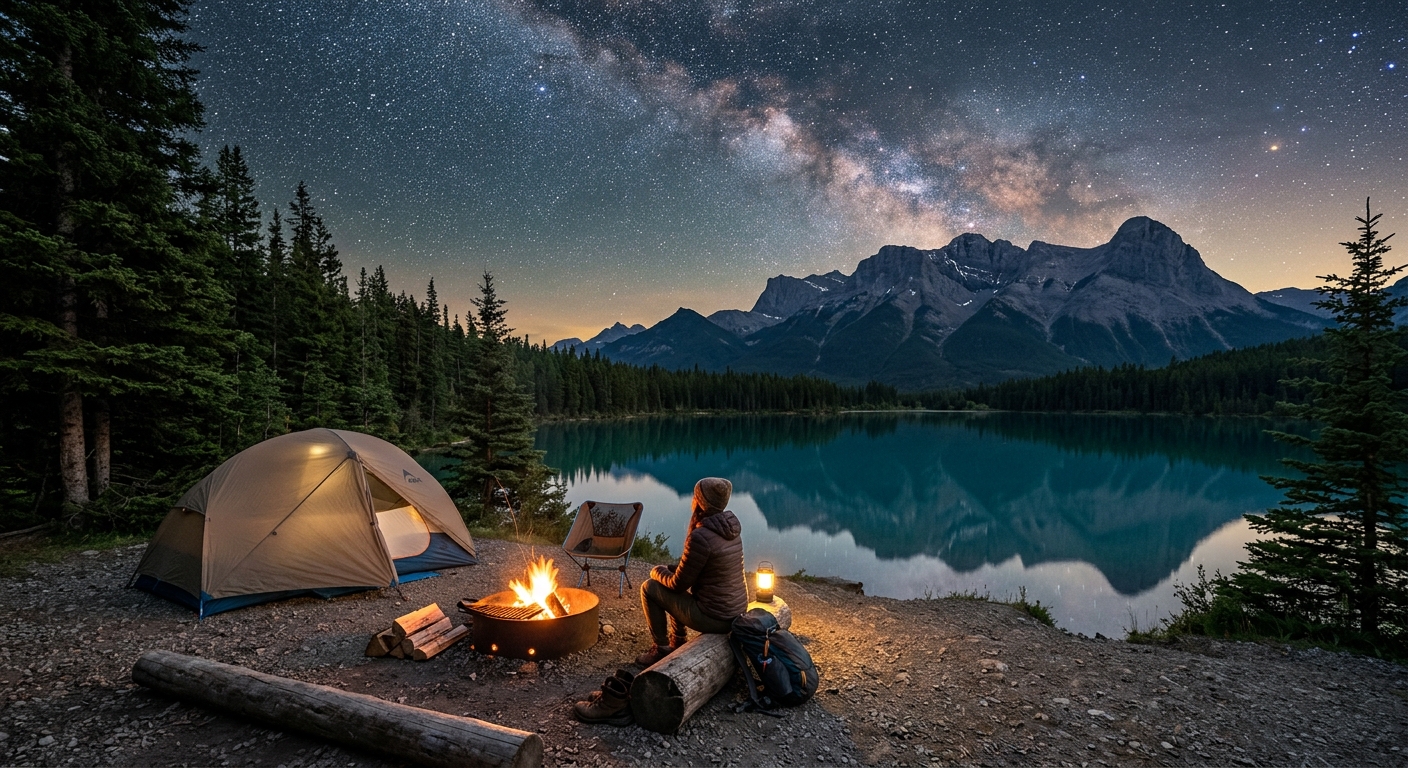
Camping in Banff National Park is an incredible experience — sleeping surrounded by mountains, wildlife, and clean wilderness. But securing a campsite requires planning, especially during the busy summer months when campgrounds fill quickly. Here's everything you need to know about booking campground reservations in Banff.
Banff's Campgrounds
Banff National Park operates several frontcountry campgrounds:
- Tunnel Mountain Village I: 618 sites (the largest). Electrical hookups available. Close to Banff town. Open May–September
- Tunnel Mountain Village II: 188 sites with full hookups (electric, water, sewer). Popular with RVs. Open May–September
- Tunnel Mountain Trailer Court: 321 sites with full hookups. RV-focused. Open May–October
- Two Jack Main: 380 sites including oTENTik accommodations. Beautiful lakeside setting near Lake Minnewanka. Open May–September
- Two Jack Lakeside: 74 sites right on the lake. The most scenic campground in Banff. Very competitive to book. Open June–September
- Johnston Canyon: 132 sites. Walking distance to Johnston Canyon trailhead. Open June–September
- Lake Louise: 189 tent sites plus 28 hardwall tent sites. Near Lake Louise village. Open May–October
- Protection Mountain: 89 sites along the Bow Valley Parkway. Quieter and more rustic. Open June–September
- Rampart Creek: 50 sites on the Icefields Parkway. Basic facilities, jaw-dropping location. Open June–September
- Waterfowl Lakes: 116 sites on the Icefields Parkway. Near Mistaya Canyon. Open June–September
- Mosquito Creek: 32 sites. Small, rustic, on the Icefields Parkway. Open June–September
How to Book
When Reservations Open
Parks Canada opens campground reservations on a rolling basis, typically starting in January for the upcoming summer season. The exact dates are announced on the Parks Canada website each year. Mark your calendar — popular campgrounds (Two Jack Lakeside, Johnston Canyon) can sell out within hours of opening.
Where to Book
All reservations are made through the Parks Canada reservation system at reservation.pc.gc.ca. You'll need to create an account before booking opens. The system accepts credit cards and charges a reservation fee in addition to the nightly camping rate.
Costs
- Unserviced tent site: Approximately $28–33 CAD per night
- Electrical site: Approximately $33–39 CAD per night
- Full hookup site: Approximately $39–45 CAD per night
- oTENTik: Approximately $120–140 CAD per night
- Reservation fee: $11.50 CAD per booking (non-refundable)
- Park pass: Required separately — $10.50 CAD per adult per day or $72.25 for an annual Discovery Pass
Booking Tips
- Be online at the exact opening time: Have your account logged in, your dates selected, and your preferred campground ready. Click the moment the system opens
- Have backup choices: If Two Jack Lakeside is full, switch immediately to Two Jack Main or Tunnel Mountain. Don't waste time refreshing a sold-out campground
- Book weekdays: Friday and Saturday nights sell out first. If you have flexibility, mid-week camping is much easier to secure
- Check for cancellations: People cancel. Check the reservation system regularly in the weeks before your trip — sites do become available, especially for single nights
- Book the maximum stay: If you're unsure of your dates, book the longest stay allowed and cancel extra nights later. Nightly fees are refundable with notice; the reservation fee is not
First-Come, First-Served Sites
Some campgrounds and sites operate on a first-come, first-served basis — no reservation needed. These include some sites at Protection Mountain, Rampart Creek, and Mosquito Creek. Arrive early (before noon) for the best chance of securing a site, especially on weekends.
Backcountry Camping
Backcountry campgrounds in Banff (Egypt Lake, Skoki, Shadow Lake, etc.) require a separate wilderness pass and reservation, also through Parks Canada. Backcountry reservations typically open in January and are competitive for popular destinations.
What to Bring Camping in Banff
- Warm sleeping bag: Nighttime temperatures can drop near freezing even in July at higher elevations
- Bear-proof food storage: Use the bear-proof lockers provided at every campsite. Never store food in your tent
- Firewood: Purchase at the campground or in Banff town. Collecting firewood in the park is prohibited
- Rain gear: Afternoon thunderstorms are common in summer
- Layers: Mountain weather is unpredictable. Bring warm clothing for evenings
If campgrounds are full, book a hotel in Banff on Expedia. Explore camping, hiking, and outdoor experiences on GetYourGuide.
Enjoyed this guide? Get weekly Banff tips.