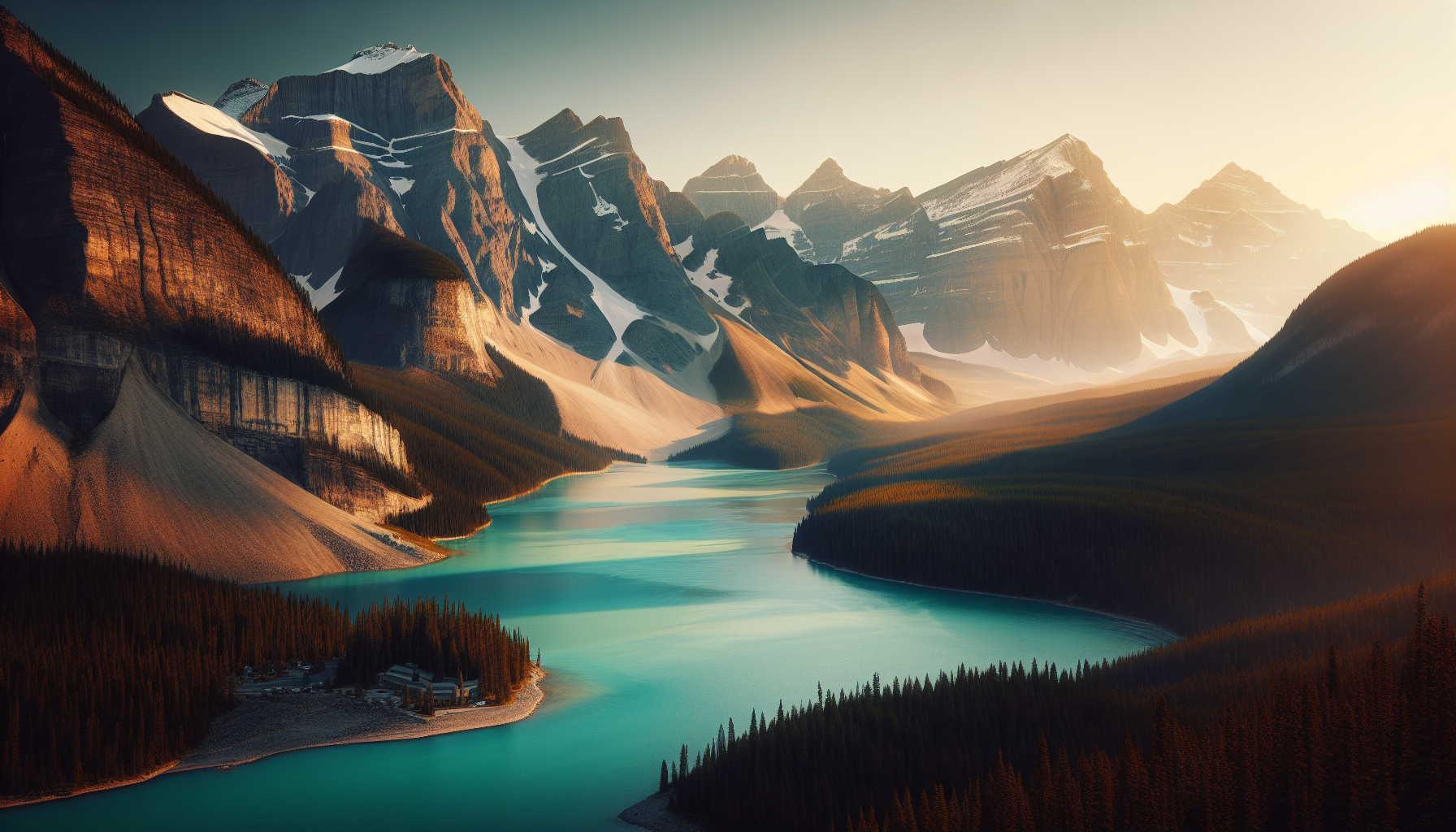
Planning a trip to one of Canada's most incredible national parks? Understanding the Banff entry fee structure is essential for budgeting your Rocky Mountain adventure. If you're driving through for a day or staying for weeks, knowing what you'll pay to access Banff National Park will help you plan the perfect visit to this UNESCO World Heritage Site.
Understanding Banff National Park Entry Fees
The Banff entry fee is officially called a park pass, and it's required for all visitors to Banff National Park. Parks Canada operates on a straightforward pricing structure that varies based on the duration of your stay and group size.
For 2026, here are the current Banff admission fees:
- Daily Pass (Adult): $11.50 CAD
- Daily Pass (Youth 17 and under): Free
- Daily Pass (Senior 65+): $9.80 CAD
- Daily Family/Group Pass: $23.00 CAD (up to 7 people in one vehicle)
- Annual Discovery Pass: $72.25 CAD (adult), valid for all Canadian national parks
The most economical option for stays longer than three days is the Annual Discovery Pass, which provides unlimited access to all Parks Canada locations across the country. This pass pays for itself quickly if you're exploring multiple parks or planning extended stays in the Canadian Rockies.
Where and How to Purchase Your Park Pass
You can purchase your Banff National Park pass at several convenient locations:
- Park Gates: Available at all entry points to the park, including Highway 1 from Calgary and Highway 93 from Jasper
- Visitor Centres: Banff Visitor Centre at 224 Banff Avenue and Lake Louise Visitor Centre
- Online: Purchase in advance through the Parks Canada website
- Camping and Accommodation Check-in: Most campgrounds and some hotels can arrange passes
- Mobile Vendors: Parks Canada staff at popular locations like Moraine Lake and Lake Louise
Pro tip: If you're staying at accommodations within the park boundaries, including the Banff Hilton or other hotels along Banff Avenue, you still need a valid park pass. Many visitors assume hotel guests are exempt, but the entry fee applies to all park visitors regardless of accommodation type.
What Your Entry Fee Includes
Your Banff admission fee provides access to an incredible range of experiences and facilities throughout the 6,641 square kilometer park. Here's what's included with your park pass:
Natural Attractions
- Lake Louise: The crown jewel of the Canadian Rockies with its turquoise waters
- Moraine Lake: Featured on the old Canadian $20 bill (seasonal access, typically June-October)
- Bow Falls: Easily accessible waterfall just minutes from downtown Banff
- Johnston Canyon: Popular hiking destination with lower and upper falls
- Peyto Lake: Wolf-shaped lake viewable from Bow Summit
Hiking Trails and Outdoor Activities
Your park pass grants access to over 1,600 kilometers of hiking trails, ranging from easy lakeside strolls to challenging alpine routes. Popular trails include the Plain of Six Glaciers (5.5 km one-way from Lake Louise), Tunnel Mountain (2.3 km), and the challenging Mount Rundle (5.5 km with 993m elevation gain).
Interpretive Programs
Parks Canada offers free interpretive programs during summer months, including guided walks, evening presentations, and wildlife talks. These programs are included with your entry fee and provide valuable insights into the park's ecology and history.
Getting Around Banff: Transportation and Key Landmarks
Once you've paid your Banff entry fee, navigating the park efficiently will maximize your experience. The park spans a vast area, with key attractions spread across significant distances.
Major Distances and Drive Times
- Calgary to Banff townsite: 128 km (1.5 hours)
- Banff to Lake Louise: 58 km (45 minutes)
- Lake Louise to Jasper: 233 km (3.5 hours via Icefields Parkway)
- Banff to Johnston Canyon: 23 km (20 minutes)
The Famous Banff Bridge and Scenic Drives
The iconic Bow River Bridge (often searched as "Banff bridge") provides gorgeous photo opportunities with the Fairmont Banff Springs Hotel backdrop. This historic bridge, built in 1923, offers one of the most photographed views in the Canadian Rockies. The bridge is easily accessible from Banff Avenue and connects to the Bow River Trail system.
For scenic driving, the Bow Valley Parkway (Highway 1A) offers a slower, more wildlife-friendly alternative to the Trans-Canada Highway between Banff and Lake Louise. This route frequently provides opportunities to spot elk, deer, and occasionally bears while enjoying mountain vistas.
Accommodation Options Within the Park
Staying within park boundaries means you'll have your park pass checked upon arrival, but it provides exceptional access to early-morning and evening lighting at popular attractions.
Luxury Accommodations
The Banff Hilton (officially the Hilton Garden Inn Banff) offers modern amenities in the heart of downtown Banff, just steps from restaurants and shopping along Banff Avenue. Other premium options include the Fairmont Banff Springs, often called the "Castle in the Rockies," and the Fairmont Chateau Lake Louise, which provides direct access to Lake Louise's shoreline.
Mid-Range and Budget Options
Downtown Banff features numerous mid-range hotels, including the Banff Inn, Mount Royal Hotel, and various boutique properties. For budget-conscious travelers, the HI-Banff Alpine Centre hostel offers dormitory and private room options, while Parks Canada operates 13 campgrounds throughout the park, ranging from $28-39 CAD per night.
Planning Your Visit: Seasonal Considerations
Your Banff entry fee provides year-round access, but the park offers dramatically different experiences depending on when you visit.
Summer Season (June-September)
Peak season brings warm weather, full trail access, and the busiest crowds. Moraine Lake Road typically opens in late May or early June, weather permitting. This is prime hiking season, with wildflowers blooming in alpine meadows from July through August. Expect the highest accommodation prices and heaviest traffic during this period.
Winter Season (December-March)
Winter transforms Banff into a snowy wonderland perfect for skiing, ice walks, and winter photography. Lake Louise Ski Resort and Sunshine Village offer outstanding downhill skiing, while cross-country skiing and ice skating provide gentler winter activities. Many high-elevation roads close for the season, but winter activities are accessible from main valleys.
Shoulder Seasons
Spring (April-May) and fall (October-November) offer fewer crowds and unique seasonal beauty. Fall brings golden larch trees and elk bugling season, while spring features dramatic waterfalls from snowmelt. Some facilities and high-elevation areas may have limited access during these periods.
Making the Most of Your Investment
With your park pass in hand, you'll have access to one of the world's most impressive mountain environments. Consider purchasing the Annual Discovery Pass if you're planning multiple visits or exploring other Canadian national parks during your trip. The pass also provides discounts on Parks Canada interpretive programs and merchandise.
Remember that your Banff entry fee supports crucial conservation efforts, wildlife management, trail maintenance, and visitor services that keep this clean wilderness accessible for future generations. Every dollar contributes to preserving the delicate balance between public access and environmental protection in this UNESCO World Heritage Site.
Ready to experience the magic of Banff National Park? Start planning your accommodation through trusted platforms like Expedia to find the perfect base for your Rocky Mountain adventure. Don't forget to book remarkable experiences and guided tours through GetYourGuide to make the most of your time in this incredible national park.
Enjoyed this guide? Get weekly Banff tips.