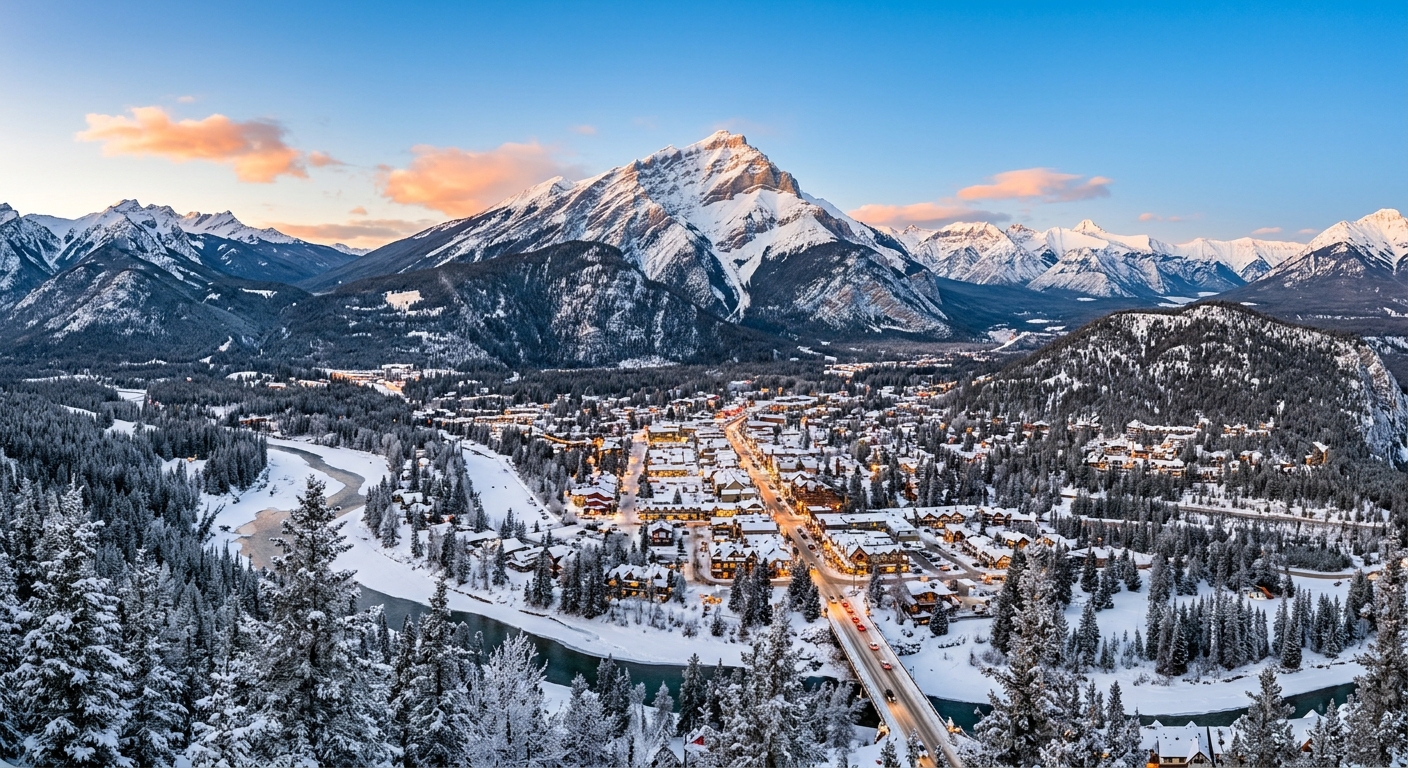
Banff in winter is a photographer's dream. Frozen lakes, snow-draped forests, ice-blue rivers, and dramatic mountain light create scenes that look almost unreal. But winter photography in the Rockies comes with challenges — extreme cold, short daylight hours, and tricky exposure. Here's how to capture remarkable winter images in Banff.
Best Winter Photography Locations
Abraham Lake Ice Bubbles
Abraham Lake (about 2 hours north of Banff on Highway 11) is famous for its frozen methane bubbles trapped in layers of clear ice. These stacked white discs create mesmerising patterns, especially when the ice is swept clean of snow by wind. It's one of the most unique photography subjects in the Canadian Rockies.
- Best time: January to early March, after cold snaps with wind
- Tip: Bring ice cleats — the ice can be extremely slippery. Use a wide-angle lens close to the ice for dramatic bubble shots
Lake Louise in Winter
The frozen lake with the Fairmont Chateau and Victoria Glacier creates a classic winter composition. Early morning light is best, when the sun hits the glacier and the lake is in shadow. The ice castle sculptures (during the Ice Magic Festival in January) add foreground interest.
Johnston Canyon Frozen Waterfalls
The frozen falls are notable subjects — curtains of blue, white, and turquoise ice. Visit on a weekday morning for fewer people. Use a polarising filter to manage reflections and enhance the blue tones in the ice.
Vermilion Lakes Sunrise
One of the most photographed spots in Banff. In winter, the partially frozen lakes reflect Mount Rundle in open water, while steam rises from warm springs. Arrive 30 minutes before sunrise for the best colour. Conditions are best on cold, calm mornings.
Castle Mountain
Visible from the Bow Valley Parkway, Castle Mountain's distinctive layered rock face is dramatic against a winter sky. The best light hits the mountain face in mid-morning during winter. Fresh snow on the trees in the foreground completes the composition.
Bow Falls
In winter, the falls partially freeze while water still flows through the centre. The contrast between frozen edges and flowing water creates compelling long-exposure images. Best in morning light when the spray catches golden sunlight.
Camera Settings for Snow
Snow fools camera meters. Here's how to get proper exposure:
- Exposure compensation: Add +0.7 to +1.3 EV to prevent grey, underexposed snow. Your camera's meter wants to make white snow look grey
- Histogram: Check your histogram — snow data should sit in the right third, close to (but not touching) the right edge
- White balance: Shoot in RAW for maximum flexibility. Snow scenes often benefit from a slightly warm white balance to counteract the blue cast
- Aperture: f/8–f/11 for landscapes with front-to-back sharpness. Use f/16+ for sunstars through trees
- ISO: Keep as low as possible (100–400) for maximum quality in the bright snow
Gear Tips for Cold Weather
- Batteries: Cold drains batteries fast. Carry 2–3 spares in an inside pocket close to your body. Rotate them to keep warm
- Condensation: When bringing a cold camera indoors, put it in a sealed plastic bag first. This prevents condensation from forming on the lens and sensor
- Tripod: Essential for low-light winter scenes. Carbon fibre is lighter and doesn't freeze to bare skin like aluminium. Wrap foam around the legs
- Gloves: Thin liner gloves let you operate camera controls, with warm mittens over top when not shooting. Photographers' gloves with fold-back fingertips also work well
- Lens cloth: Carry a microfibre cloth in an inside pocket. Cold lenses attract moisture from your breath
Northern Lights Photography
Banff is far enough north to occasionally see the aurora borealis, especially during high solar activity:
- When: Dark, clear nights from September to March. Check aurora forecast apps for alerts
- Where: Vermilion Lakes, Two Jack Lake, and Lake Minnewanka offer dark skies with mountain foregrounds
- Settings: ISO 1600–6400, f/2.8 or wider, 10–25 second exposure. Manual focus on infinity or a bright star
- Tip: Even faint auroras that look white to the naked eye will show vivid green and purple in a long exposure
Golden Hour in Winter
Winter golden hours are rare in Banff. The sun stays low on the horizon, creating warm, directional light for much of the day. In December and January, the sun rises around 8:30am and sets by 4:30pm, but the golden light lasts much longer than in summer because of the low sun angle. Mid-morning and mid-afternoon often produce the best light.
Stay in Banff for golden-hour access — book on Expedia. Add guided photography tours and winter excursions to capture the best shots.
Enjoyed this guide? Get weekly Banff tips.