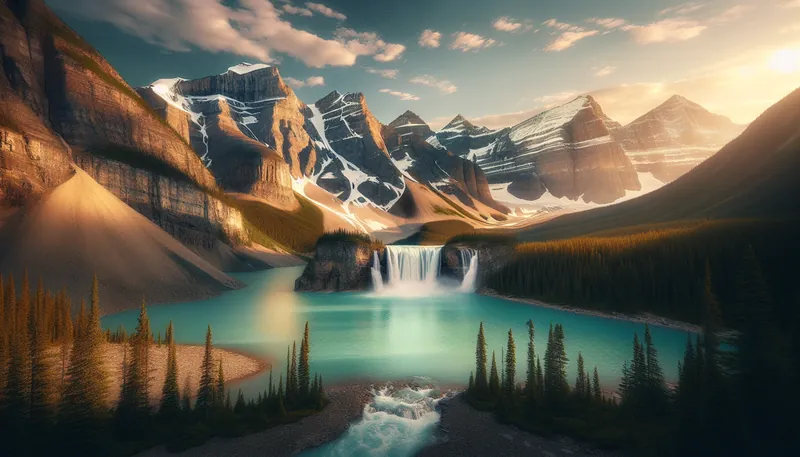
Located deep within the fresh wilderness of Banff National Park, Bow Glacier Falls stands as one of the Canadian Rockies' most remarkable yet accessible waterfalls. This remarkable cascade tumbles dramatically from the edge of Bow Glacier, creating a mesmerizing display of glacial meltwater against towering limestone cliffs. While the falls may require a moderate hike to reach, the journey rewards visitors with an remarkable encounter with one of nature's most powerful forces, making it an essential destination for anyone seeking to experience the raw beauty of the Canadian Rockies in 2026.
Getting to Bow Glacier Falls: Your Journey Begins
The adventure to Bow Glacier Falls begins along the iconic Icefields Parkway (Highway 93 North), approximately 36 kilometers north of Lake Louise. Look for the Num-Ti-Jah Lodge area, where you'll find the trailhead parking near the picturesque Bow Lake. During peak season in 2026, this parking area fills quickly, so arriving early in the morning is highly recommended.
The hike to Bow Glacier Falls follows a well-maintained trail that spans roughly 4.8 kilometers one way, with an elevation gain of about 130 meters. Most hikers complete the round trip in 2.5 to 4 hours, depending on their pace and how much time they spend photographing the incredible scenery along the way.
As you begin your trek, you'll traverse relatively flat terrain through alpine meadows and rocky moraines. The trail becomes more challenging as you approach the glacier, with some scrambling over loose rocks required in the final sections. Proper hiking boots with good grip are essential, especially given the potentially icy conditions that can persist well into the spring months of 2026.
What Makes Bow Glacier Falls Special
Unlike many waterfalls that flow year-round from underground springs or permanent streams, Bow Glacier Falls is directly fed by glacial meltwater from Bow Glacier above. This unique characteristic means the falls are most impressive during the warmer months when glacial melting is at its peak, typically from June through September.
The falls plunge approximately 120 meters down a near-vertical rock face, creating multiple tiers as the water cascades over various ledges and outcrops. The sheer volume of water during peak flow creates a thunderous roar that can be heard from considerable distances, while the mist generated by the falling water creates perfect conditions for rainbow formations on sunny days.
What truly sets this waterfall apart is its dramatic setting. Surrounded by towering peaks including Mount Thompson and Bow Peak, visitors find themselves in an amphitheater of alpine grandeur that epitomizes the majesty of the Canadian Rockies. The contrast between the white ice of the glacier above, the dark limestone cliffs, and the turquoise waters of Bow Lake below creates a photographer's paradise.
Best Time to Visit and Seasonal Considerations
Planning your visit to Bow Glacier Falls requires careful consideration of seasonal conditions and weather patterns. The optimal visiting window typically runs from late June through early October, when the trail is most accessible and the falls are flowing at their most impressive volume.
Summer (June-August): This represents peak season for visiting the falls. Expect the highest water flow, warmest temperatures, and the most crowded trails. Daily high temperatures in the area typically range from 15-25°C, though conditions can change rapidly in the mountains. The Icefields Parkway is fully accessible, and all services along the route are operational.
Fall (September-October): Many experienced hikers consider this the ideal time to visit. Crowds thin out significantly after Labour Day, while the falls still maintain substantial flow from late-season glacial melt. The changing aspen and larch trees add brilliant gold colors to the landscape, creating jaw-dropping contrast against the evergreen forests and grey limestone peaks.
Spring (May-June): Early season visits can be rewarding but require extra preparation. Snow may still cover portions of the trail, and stream crossings can be more challenging due to spring runoff. However, this season offers solitude and the excitement of witnessing the landscape awakening from winter.
Winter (November-April): While the falls may still flow during milder winter periods, accessing them requires advanced mountaineering skills and specialized equipment. Most visitors should plan their trip for the warmer months when conditions are safer and more predictable.
Essential Hiking Tips and Safety Information
Hiking to Bow Glacier Falls requires proper preparation and respect for the mountain environment. The trail presents moderate challenges that can become serious hazards if visitors are unprepared or conditions deteriorate.
Required Gear and Clothing: Sturdy hiking boots with excellent ankle support are non-negotiable, as the final approach involves navigating loose rock and potentially slippery surfaces near the falls. Layer your clothing to adapt to changing conditions – mountain weather can shift dramatically within hours. Pack a waterproof jacket, warm layers, and extra food and water beyond what you think you'll need.
Navigation and Trail Conditions: While the initial portion of the trail is well-marked, the final approach to the falls requires careful route-finding across glacial moraine. Cairns (rock piles) mark the general route, but fog or bad weather can make navigation challenging. Consider downloading offline maps to your smartphone or carrying a GPS device.
Wildlife Safety: The Bow Lake area is home to black bears, grizzly bears, and mountain goats. Parks Canada requires all hikers to carry bear spray and know how to use it properly. Make noise while hiking, especially around blind corners or areas with limited visibility. Store all food and scented items properly, and never approach or feed any wildlife.
Weather Considerations: Mountain weather changes rapidly and can become dangerous without warning. Check the latest Parks Canada weather updates before departing, and be prepared to turn back if conditions deteriorate. Afternoon thunderstorms are common during summer months, and lightning poses a serious risk in the exposed alpine terrain near the falls.
Photography and Viewing Opportunities
Capturing the beauty of Bow Glacier Falls presents both opportunities and challenges for photographers of all skill levels. The dramatic setting provides countless compositional possibilities, while the technical demands of mountain photography require careful planning and the right equipment.
Camera Settings and Techniques: The high contrast between bright snow and ice above and darker rock faces requires careful exposure management. Consider using a polarizing filter to reduce reflections from wet rocks and enhance the contrast between the white water and dark stone. For silky water effects, pack a neutral density filter to allow longer exposures even in bright daylight.
Composition Ideas: Wide-angle shots can capture the full drama of the falls within their mountain setting, while telephoto lenses allow you to isolate specific sections of the cascade or compress the layers of the mountain backdrop. Don't overlook macro opportunities – the glacial flour in the water creates beautiful patterns, and alpine wildflowers bloom throughout the summer months.
Golden Hour Magic: The falls face generally southwest, making late afternoon the optimal time for warm, golden lighting. Plan to arrive at the falls by mid-afternoon to scout compositions and be in position as the light improves. The "blue hour" after sunset can also provide incredible opportunities, though hiking back in low light requires extra caution and preparation.
Nearby Attractions and Extended Adventures
Your journey to Bow Glacier Falls positions you perfectly to explore some of Banff National Park's other incredible attractions. The Icefields Parkway corridor offers numerous opportunities to extend your mountain adventure and maximize your time in this incredible region.
Peyto Lake Viewpoint: Just 15 kilometers south of the Bow Glacier Falls trailhead, this iconic viewpoint offers one of the most photographed scenes in the Canadian Rockies. The short walk to the viewpoint provides beautiful panoramic views of the distinctive wolf-head-shaped lake and surrounding peaks.
Num-Ti-Jah Lodge: This historic mountain lodge, located right at Bow Lake, offers dining and accommodation options for those wanting to extend their stay. The lodge's restaurant serves hearty mountain fare, and their patio provides unobstructed views of Bow Lake with the falls visible in the distance.
Waterfowl Lakes: Located about 15 kilometers north, these clean alpine lakes offer easier hiking options and excellent opportunities for wildlife viewing. The area is particularly known for its diverse bird populations and often provides excellent moose viewing opportunities.
Columbia Icefield: Continuing north on the Icefields Parkway brings you to one of North America's largest ice fields. The Glacier Discovery Centre offers guided tours onto the Athabasca Glacier, providing a perfect complement to your waterfall adventure with direct glacier experience.
If you're planning a day trip from Calgary or an extended exploration of the Canadian Rockies, Bow Glacier Falls offers an one-of-a-kind wilderness experience that showcases the raw power and beauty of Canada's mountain landscape. For the best accommodation deals in Banff and the surrounding area, check out Expedia for a wide range of lodging options. To discover guided tours and unique mountain experiences that can enhance your visit, browse the excellent selection available through GetYourGuide.
Enjoyed this guide? Get weekly Banff tips.