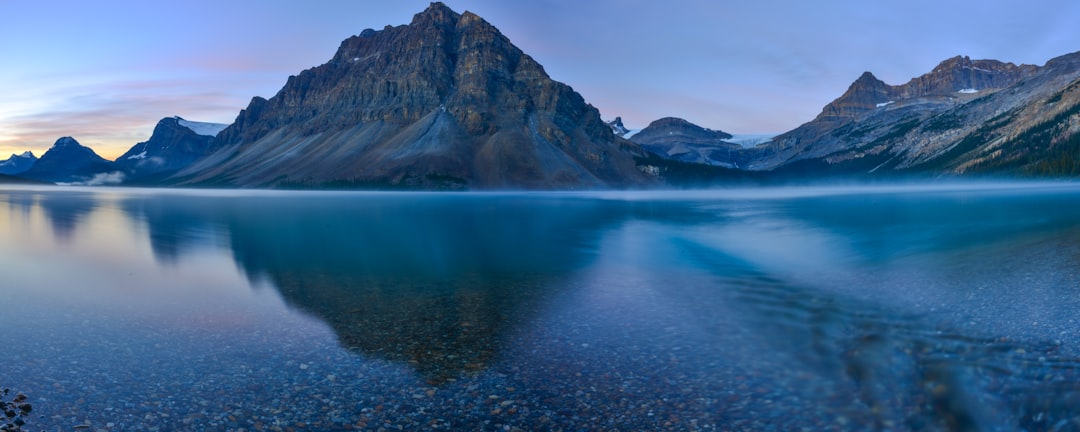
Located high in the Canadian Rockies along the iconic Icefields Parkway, Bow Lake stands as one of Banff National Park's most breathtaking alpine gems. This untouched glacial lake, with its impossibly turquoise waters reflecting the towering peaks of the Waputik Range, offers visitors a perfect blend of accessibility and wilderness beauty that defines the Banff experience. For anyone a photographer chasing that perfect mountain reflection, a hiker seeking alpine adventure, or simply someone who appreciates nature's grandeur, Bow Lake delivers an one-of-a-kind Rocky Mountain moment that will leave you planning your return before you've even left.
Getting to Bow Lake: Your Gateway to Alpine Wonder
Located approximately 36 kilometers north of Lake Louise along Highway 93 (the Icefields Parkway), Bow Lake is easily accessible by vehicle year-round, though winter conditions require extra caution. The drive from Calgary takes about 2.5 hours, while visitors staying in Banff townsite should budget roughly 1.5 hours for the scenic journey north.
Parking at Bow Lake can fill up quickly during peak summer months (July and August), especially on weekends. The main parking area accommodates about 40 vehicles, with additional roadside parking available along the highway shoulder. Arrive early – ideally before 9 AM during summer – to secure a spot and enjoy the lake in relative tranquility.
Parks Canada requires a valid national park pass for all visitors to Banff National Park. Daily passes cost $11.50 CAD for adults, while annual Discovery Passes run $72.25 CAD and provide excellent value for multiple visits. You can purchase passes online through the Parks Canada website or at park gates and visitor centers.
The Bow Lake Experience: What Makes This Lake Special
Bow Lake sits at an elevation of 1,920 meters (6,300 feet), fed by meltwater from the Bow Glacier that cascades down from the Waputik Icefield. The lake's distinctive turquoise color comes from glacial flour – microscopic rock particles suspended in the water that scatter light in dramatic fashion. This natural phenomenon is most vibrant during late spring and summer when glacial melt is at its peak.
The lake stretches approximately 2.5 kilometers in length and offers remarkable views of several prominent peaks, including Bow Peak (2,868m), Mount Thompson (3,087m), and Crowfoot Mountain (3,050m). The Crowfoot Glacier, visible on the eastern face of Crowfoot Mountain, once resembled a three-toed crow's foot but has retreated significantly due to climate change, now showing only two distinct "toes."
Photography enthusiasts will find Bow Lake particularly rewarding during the golden hours of sunrise and sunset, when alpenglow paints the surrounding peaks in warm hues that contrast beautifully with the lake's cool turquoise waters. The calm morning conditions often provide perfect reflections, creating symmetrical compositions that showcase the full grandeur of the Canadian Rockies.
Hiking and Activities Around Bow Lake
Bow Lake Shoreline Walk
The easiest way to experience Bow Lake is via the shoreline trail, an informal path that follows the lake's edge for approximately 1 kilometer. This flat, family-friendly walk takes about 30 minutes roundtrip and offers multiple vantage points for photography and quiet contemplation. The trail is well-maintained and suitable for all fitness levels, though proper footwear is recommended as the path can be rocky and uneven in places.
Bow Glacier Falls Trail
For more adventurous visitors, the Bow Glacier Falls Trail begins at the far end of Bow Lake and leads 4.3 kilometers to a striking waterfall cascading from the Bow Glacier. This moderate hike gains approximately 150 meters in elevation and typically takes 2-3 hours roundtrip. The trail passes through varied terrain including rocky moraines, alpine meadows, and glacial outwash plains.
The trail can be challenging to follow in places, as it crosses several creek beds and rocky areas with minimal signage. Look for cairns (rock piles) that mark the route, and be prepared for potentially muddy conditions, especially in early summer. The reward at the trail's end – a thundering waterfall plunging from the glacier above – makes the effort worthwhile.
Winter Activities
During winter months, Bow Lake transforms into a frozen wonderland popular with ice walkers, snowshoers, and cross-country skiers. The frozen lake surface provides safe walking conditions (typically from December through March), though visitors should always exercise caution and check conditions with Parks Canada staff before venturing onto the ice.
Nearby Attractions and Points of Interest
Bow Lake serves as an excellent base for exploring other Icefields Parkway highlights. Just 10 minutes south, Peyto Lake offers another iconic turquoise lake experience with a short hiking trail to a remarkable viewpoint. The contrast between Peyto's elevated overview and Bow Lake's shoreline access makes visiting both lakes on the same trip highly rewarding.
Continuing north on Highway 93, the Saskatchewan River Crossing (20 kilometers from Bow Lake) provides services including fuel, food, and basic accommodations. This historic stopping point marks the boundary between Banff and Jasper National Parks and offers excellent wildlife viewing opportunities, particularly for mountain goats and bighorn sheep.
The Num-Ti-Jah Lodge, visible from Bow Lake's parking area, represents one of the Canadian Rockies' most historic mountain lodges. Built in the 1940s by legendary guide Jimmy Simpson, the rustic log structure offers upscale accommodations and dining with rare lake views. While rooms book well in advance (particularly for summer stays), the lodge's restaurant welcomes day visitors for lunch or afternoon tea.
Best Times to Visit and Weather Considerations
Bow Lake offers distinct experiences throughout the year, with each season bringing unique advantages and challenges. Summer (June through September) provides the warmest weather, fullest water levels, and best hiking conditions, but also attracts the largest crowds and highest accommodation prices.
Late spring (May to early June) and early fall (September to October) offer excellent alternatives with fewer visitors and dramatic seasonal changes. Spring brings rushing waterfalls and emerging wildflowers, while fall showcases golden larch trees and crisp mountain air. However, weather can be unpredictable during shoulder seasons, so pack layers and waterproof clothing.
Winter visits (November through April) require proper preparation for subzero temperatures and potential highway closures due to avalanche control or severe weather. Check road conditions through Alberta 511 before traveling, and carry winter emergency supplies including extra food, water, and warm clothing.
Temperatures at Bow Lake's elevation typically run 5-10 degrees Celsius cooler than in nearby towns, so dress accordingly even during summer visits. Sudden weather changes are common in the mountains – afternoon thunderstorms can develop quickly during summer, while unexpected snowfall is possible even in July.
Practical Visitor Information and Safety
Bow Lake sits in prime wildlife habitat, and visitors frequently encounter mountain goats, marmots, pikas, and occasionally black bears or grizzly bears. Practice proper wildlife safety by maintaining minimum distances (100 meters for bears, 30 meters for other wildlife) and never feeding wild animals. Carry bear spray when hiking, especially on the Bow Glacier Falls trail.
Cell phone coverage along the Icefields Parkway can be spotty, so inform others of your travel plans and expected return times. The nearest medical facilities are in Canmore (90 kilometers south) or Jasper (140 kilometers north), making accident prevention crucial for backcountry activities.
No facilities exist at Bow Lake itself – no washrooms, water, or waste disposal. The nearest services are at Saskatchewan River Crossing or back toward Lake Louise. Plan accordingly and practice Leave No Trace principles by packing out all garbage and minimizing your environmental impact.
For overnight stays near Bow Lake, Num-Ti-Jah Lodge offers the closest accommodations, though budget-conscious travelers will find better value in Lake Louise, Canmore, or Banff townsite. Book accommodations well in advance during peak season, as the Icefields Parkway's remote location limits lodging options. For tours and activities around Bow Lake and throughout Banff National Park, GetYourGuide offers excellent guided experiences, while Expedia provides comprehensive accommodation booking throughout the Canadian Rockies region.
Enjoyed this guide? Get weekly Banff tips.