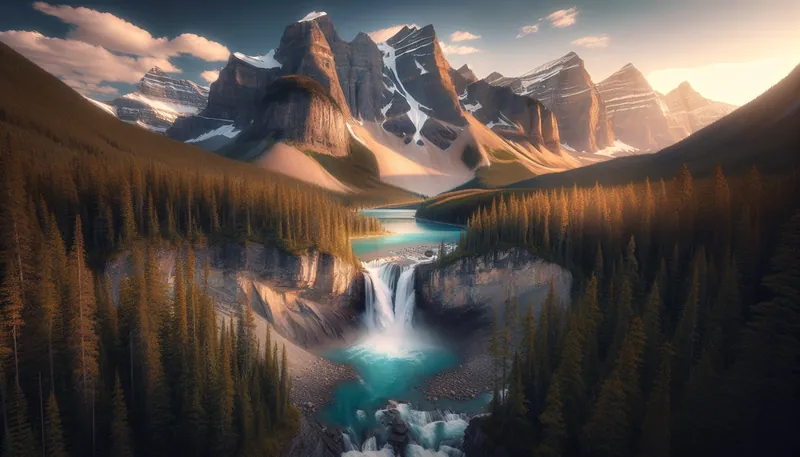
If you're planning an epic journey from the thundering Takakkaw Falls to Banff, you're in for one of the most impressive drives in the Canadian Rockies. This route takes you from British Columbia's towering waterfalls through the heart of Yoho National Park and into the world-renowned Banff National Park. For those a seasoned mountaineer or a casual road-tripper, this comprehensive guide will help you make the most of your adventure through some of Canada's most breathtaking wilderness.
The Takakkaw Falls to Banff Route Overview
The journey from Takakkaw Falls to Banff covers approximately 95 kilometers and typically takes about 1.5 to 2 hours of driving time. However, smart travelers allow a full day for this route to truly appreciate the jaw-dropping scenery and numerous photo opportunities along the way. The drive follows the Trans-Canada Highway (Highway 1) eastbound, crossing from British Columbia into Alberta as you enter Banff National Park.
Starting at Takakkaw Falls, located in Yoho National Park's dramatic Yoho Valley, you'll first need to navigate the 13-kilometer Yoho Valley Road back to Highway 1. This winding mountain road requires careful attention, especially during spring conditions in March 2026, when weather can be unpredictable. Once you reach the Trans-Canada Highway, the route becomes more straightforward as you head toward the town of Banff.
The elevation changes throughout this journey are dramatic, dropping from the high alpine environment around Takakkaw Falls at 1,520 meters to Banff's townsite at 1,383 meters. This scenic route showcases the incredible diversity of the Canadian Rockies, from glacier-fed waterfalls to crystal-clear mountain lakes and dense coniferous forests.
What to Expect at Takakkaw Falls
Before beginning your journey to Banff, take time to fully experience Takakkaw Falls, Canada's second-highest waterfall at 373 meters. The name "Takakkaw" comes from the Cree word meaning "it is magnificent," and you'll understand why the moment you see this powerful cascade plunging from the Daly Glacier high above.
As of 2026, Parks Canada typically opens the Yoho Valley Road to Takakkaw Falls in late May or early June, depending on snow conditions. If you're visiting in March 2026, you'll need to access the falls via cross-country skiing or snowshoeing, adding significant time and difficulty to your journey. The parking area at the falls accommodates about 50 vehicles during peak season, and it fills quickly on summer weekends.
The easy 800-meter walk from the parking lot to the falls viewpoint takes most visitors about 15 minutes each way. For more adventurous travelers, the trail continues beyond the main viewpoint, offering opportunities to get closer to the falls' base, though expect to get thoroughly misted by the powerful spray during high-flow periods in late spring and early summer.
Key Stops Along the Takakkaw Falls to Banff Drive
The route from Takakkaw Falls to Banff offers numerous striking stops that showcase the best of both Yoho and Banff National Parks. Each location provides unique opportunities for photography, hiking, and wildlife viewing.
Spiral Tunnels Viewpoint
Located about 20 kilometers east of the Yoho Valley Road junction, the Spiral Tunnels Viewpoint offers a fascinating glimpse into Canadian railway engineering history. These impressive spiral tunnels, built in 1909, allow trains to navigate the steep grade through the mountains. The viewpoint includes interpretive displays and excellent views of the surrounding peaks. Parking is free, and the short walk to the viewpoint takes about 5 minutes.
Natural Bridge
Just 3 kilometers south of Highway 1 on the Emerald Lake Road, the Natural Bridge showcases the power of water erosion over thousands of years. The Kicking Horse River has carved through solid rock to create this remarkable natural formation. This stop requires only a 10-minute detour from your main route and offers excellent photo opportunities. The viewing area is wheelchair accessible, making it perfect for travelers with mobility considerations.
Emerald Lake
Continuing 8 kilometers past Natural Bridge, Emerald Lake represents one of the Canadian Rockies' most photographed locations. The vivid turquoise waters, created by light reflecting off glacial silt, provide a incredible contrast against the surrounding mountain peaks. The lake loop trail offers an easy 5.2-kilometer walk around the entire shoreline, taking most hikers about 1.5 hours to complete.
Entering Banff National Park: What You Need to Know
As you continue east on Highway 1, you'll cross the Continental Divide and enter Banff National Park at the Alberta-British Columbia border. This transition marks your entry into Canada's oldest national park, established in 1885. All visitors to Banff National Park require a valid Parks Canada pass, which costs $11.50 CAD per adult for a day pass or $72.25 CAD for an annual Discovery Pass as of 2026.
The park boundary crossing offers remarkable mountain vistas, but parking is limited. Plan to purchase your park pass online in advance or at the Banff Information Centre once you reach the townsite. During peak summer months, park entry can become congested, so early morning travel helps avoid delays.
Lake Louise Area
Approximately 30 kilometers after entering Banff National Park, consider taking the short detour to Lake Louise. This world-famous destination features the iconic turquoise lake surrounded by snow-capped peaks and the elegant Fairmont Chateau Lake Louise. The lake is easily accessible via a 5-kilometer drive north from Highway 1, though parking fills extremely early during summer months. Lake Louise offers numerous hiking trails, from the easy Lakeshore Trail to the challenging Plain of Six Glaciers hike.
Arriving in Banff: Bridges, Accommodation, and Activities
The final stretch of your journey brings you into the charming mountain town of Banff, found in the Bow Valley at the base of Cascade Mountain. As you approach the townsite, you'll cross the historic Banff bridge over the Bow River, offering your first glimpses of the town's Victorian-era architecture set against the dramatic mountain backdrop.
Banff's downtown core stretches along Banff Avenue, the main thoroughfare lined with outdoor gear shops, restaurants, and accommodation options. The town maintains its mountain character while offering modern amenities for visitors from around the world. Key landmarks include the Banff Park Museum, the historic Cascade Gardens, and the Banff Centre for Arts and Creativity.
Where to Stay in Banff
Accommodation options in Banff range from luxury mountain resorts to budget-friendly hostels. The iconic Fairmont Banff Springs Hotel, often called the "Castle in the Rockies," offers luxury accommodations with rates starting around $400 CAD per night during 2026's peak season. Mid-range options like the Banff Caribou Lodge provide comfortable rooms starting at approximately $180 CAD per night.
Budget travelers can find hostel accommodation at the HI-Banff Alpine Centre, with dormitory beds available from $45 CAD per night. All accommodation in Banff books quickly, especially during summer months and winter ski season, so advance reservations are essential.
Dining and Local Experiences
Banff's dining scene reflects its international character, with everything from casual mountain fare to fine dining experiences. The Maple Leaf Grille & Lounge offers upscale Canadian cuisine featuring locally-sourced ingredients, while The Bison Restaurant focuses on contemporary Canadian dishes with a mountain twist. For casual dining, Wild Flour Bakery Café serves excellent breakfast and lunch options, perfect for fueling up before outdoor adventures.
Planning Your Takakkaw Falls to Banff Adventure
Success on the Takakkaw Falls to Banff route requires careful planning, especially considering seasonal conditions and park regulations. March 2026 presents unique challenges and opportunities, with winter conditions still prevalent at higher elevations while spring begins to emerge in the valleys.
Essential items for this journey include a valid Parks Canada pass, emergency supplies (especially during shoulder seasons), plenty of water, and weather-appropriate clothing. Mountain weather can change rapidly, so layers are crucial. A full tank of gas is recommended, as services between Takakkaw Falls and Banff are limited.
Consider downloading offline maps to your smartphone, as cellular coverage can be spotty in mountainous areas. The Parks Canada app provides valuable information about current conditions, closures, and wildlife activity along your route.
For photography enthusiasts, bring extra batteries as cold weather drains power quickly. The dramatic lighting conditions in the mountains offer incredible photo opportunities, but equipment performance can suffer in extreme temperatures.
If you're completing this journey as part of a larger Canadian Rockies adventure or as a focused exploration of two incredible national parks, the route from Takakkaw Falls to Banff offers one-of-a-kind experiences. To make the most of your visit, consider booking accommodation well in advance through Expedia and exploring guided tour options through GetYourGuide to enhance your Canadian Rockies experience with local expertise and insider knowledge.
Enjoyed this guide? Get weekly Banff tips.