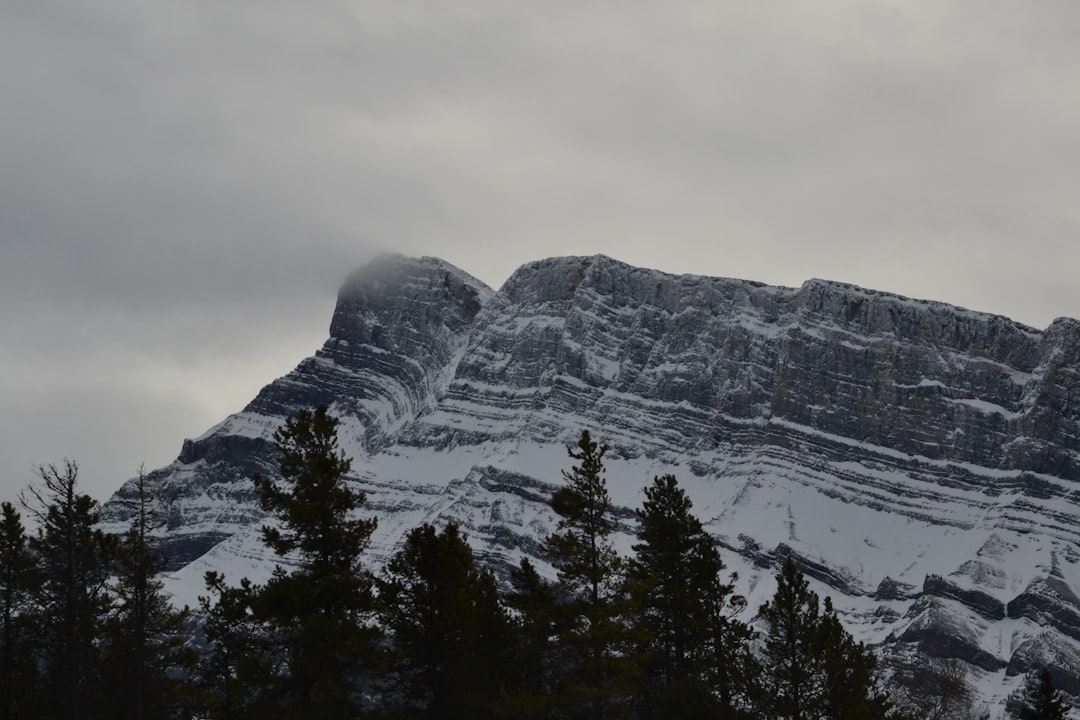
The Canadian Rockies deliver some of the most spectacular skiing on the planet, and the Banff ski mountains offer everything from world-class resort runs to backcountry adventures that'll test your limits. After spending countless winters exploring these peaks as both a skier and ultra runner, I can tell you that each mountain has its own personality and challenges. Whether you're carving groomers at Sunshine Village or tackling the legendary back bowls of Lake Louise, the Banff ski scene will push your skills and reward you with views that make every chairlift ride worth it.
The Big Three: Banff's Premier Ski Destinations
When people talk about Banff ski options, they're usually referring to the big three Banff resorts that anchor the region's winter sports scene. These three mountains have shaped my skiing experience over the years, each offering distinct terrain and challenges.
Lake Louise Ski Resort sits 57 km from Banff townsite and consistently ranks among Canada's top ski destinations. The resort spans four mountain faces with 164 marked runs across 1,700 hectares. What sets Lake Louise apart is the Back Bowls - advanced terrain that opens when conditions permit. I've spent entire days exploring the Summit Platter area, where you'll find some of the steepest runs in the Canadian Rockies. Lift tickets for 2026-27 start at $139 CAD for adults on peak days.
Sunshine Village offers the longest season in the Canadian Rockies, typically running from November through May. Located 18 km southwest of Banff via the Sunshine Village Road, this resort sits entirely above the treeline at elevations between 2,100-2,730 meters. The Continental Divide runs right through the ski area, meaning you can literally ski from Alberta into British Columbia. My favorite runs here are on Lookout Mountain, particularly the Shoulder and South Side runs when the powder is deep.
Mt. Norquay is Banff's local hill, just 6 km from downtown. While smaller than the other resorts, Norquay punches above its weight with challenging terrain and night skiing until 9 PM on Fridays. The North American run is a legitimate black diamond that has humbled many intermediate skiers. It's also the most affordable option, with day passes starting around $89 CAD.
Beyond the Resorts: Backcountry and Cross-Country Options
The developed Banff ski mountains represent just a fraction of the winter opportunities here. The backcountry skiing scene is massive, but I cannot stress enough - you need proper avalanche education and equipment. Areas like Skoki Valley and the Wapta Icefield offer world-class ski touring, but these require serious preparation.
For Nordic skiing, the Canmore Nordic Centre (technically just outside Banff National Park) maintains over 65 km of groomed trails. Built for the 1988 Calgary Olympics, these trails see regular use by Olympic training teams. Trail passes cost $20 CAD per day, and you can rent equipment on-site.
Within Banff National Park, the Cascade Ponds area offers gentle cross-country skiing with spectacular views of Cascade Mountain. The Lake Minnewanka loop provides a longer option at about 15 km round-trip. Both areas are free to access with your Parks Canada pass.
Getting to the Mountains: Transportation and Logistics
Reaching the Banff ski mountains requires some planning, especially during peak season. From Calgary International Airport, it's 128 km to Banff townsite - about 1.5 hours in good conditions. Winter driving here is serious business. You're legally required to have winter tires or carry chains between October 1 and March 31.
I recommend the Banff Airporter shuttle service if you're flying in. They run scheduled services from Calgary Airport to Banff hotels for around $75 CAD per person. Advanced booking is essential during ski season.
For getting between the ski hills and Banff town, several options exist. Sunshine Village operates a mandatory shuttle bus from their parking lot - you cannot drive to the base lodge. The shuttle runs every 15-20 minutes and takes about 20 minutes each way. Lake Louise is directly accessible by car, but parking fills up early on powder days. Arrive before 8 AM or you'll be parking on the highway shoulder and walking.
The Ski Big 3 Lift Ticket includes shuttle service between all three resorts, which can save you significant money if you plan to ski multiple mountains. A 5-day pass costs around $650 CAD for adults and includes transportation.
Golden Triangle: Extending Your Ski Adventure
Many skiers combine their Banff ski experience with nearby destinations in what's known as the Golden Banff triangle. Golden, BC sits just 84 km west of Lake Louise and offers access to additional ski terrain at Kicking Horse Mountain Resort.
Kicking Horse delivers some of the gnarliest expert terrain you'll find anywhere. The resort's Stairway to Heaven and CPR Ridge runs are legitimately scary - steep, long, and often featuring variable snow conditions. If you consider yourself an advanced skier, the drive to Golden is worth it just for these runs.
The town of Golden also provides more affordable accommodation options compared to Banff. Hotels here typically cost 30-40% less, though you'll sacrifice the convenience of staying in the park. The Prestige Inn Golden and Best Western Mountainview Inn are solid mid-range options.
Practical Planning: Costs, Conditions, and Timing
Skiing the Banff mountains isn't cheap, but understanding the cost structure helps with budgeting. Beyond lift tickets, factor in equipment rental ($55-70 CAD per day for high-end skis), accommodation, and meals. A typical ski day including lift ticket, rental, and meals will run $200-250 CAD per person.
Snow conditions vary dramatically by elevation and aspect. Sunshine Village, being highest, typically has the best snow quality and deepest base. Lake Louise can be icy on sun-exposed runs but offers protected powder stashes in the bowls. Mt. Norquay faces southeast, so spring conditions arrive earliest here.
For accommodation, staying in Banff townsite gives you the most dining and après-ski options. The Compare 95+ Banff hotels directory can help you find deals, though expect to pay premium rates during ski season. Lake Louise village has limited but high-quality accommodation options right at the ski hill.
I prefer skiing here in January and February when snow conditions peak and daylight hours increase compared to December. March offers the best combination of snow quality and weather, but also brings spring break crowds. For planning your entire visit, check out our 3-day Banff itinerary which includes skiing alongside other winter activities.
Safety and Preparation Essentials
Mountain weather in Banff changes rapidly. I've experienced 30-degree temperature swings within a single ski day. Always check current conditions and avalanche bulletins at avalanche.ca before heading into any backcountry areas.
The resort skiing is generally safe, but injuries happen. Banff has medical facilities, but serious incidents may require helicopter evacuation. Travel insurance that covers winter sports activities is essential - medical evacuations can cost $50,000+ CAD.
Parking at all ski areas fills up completely on powder days and weekends. At Lake Louise, cars start lining the Trans-Canada Highway shoulder when the lots fill, creating dangerous conditions. Sunshine requires taking their shuttle bus regardless, but their parking lot also fills up. Plan to arrive early or use shuttle services when available.
For booking ski lessons or guided experiences, GetYourGuide offers several options including multi-day ski packages. Hotels can be booked through Expedia, though I recommend comparing prices across multiple platforms during ski season as rates fluctuate significantly.
The Banff ski mountains offer terrain and experiences that rival anywhere in the world. From the challenging bowls of Lake Louise to the high-alpine skiing at Sunshine Village, each mountain delivers its own character and challenges. Combined with the stunning Rocky Mountain scenery and the charm of Banff townsite, it's a ski destination that keeps drawing me back year after year. Just remember to book early, pack layers, and respect the mountain conditions - these peaks demand preparation but reward you with some of the finest skiing in North America.
Enjoyed this guide? Get weekly Banff tips.