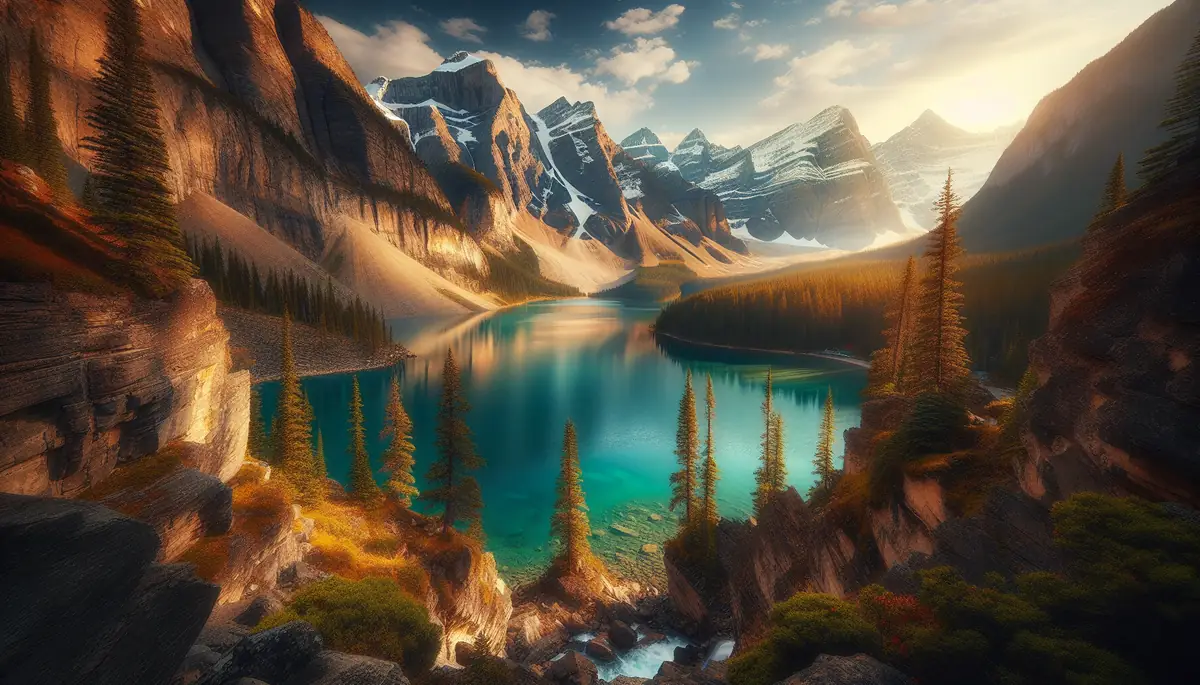
The Canadian Rockies deliver some of the most spectacular mountain vistas on the planet, and after countless visits to this region as an ultra runner and skier, I can confidently say that capturing the best Best Best Banff Clubs : Where Locals Party After Dark Lookout Points : Views You Can't Miss views requires more than just showing up with a camera. You need to know where to go, when to arrive, and how to position yourself for those jaw-dropping panoramas that make this UNESCO World Heritage Site legendary.
The Ultimate Banff Views: Top Viewpoints You Can't Miss
My years of training runs and ski tours throughout Banff National Park have taught me that the most rewarding views often require some effort to reach. Here are the viewpoints that consistently deliver the most impressive Banff views, ranked by accessibility and visual impact.
Lake Louise and the Fairmont Chateau
The turquoise waters of Lake Louise create one of Canada's most photographed scenes, but timing is everything. I recommend arriving before 7 AM during peak season (July-September) or you'll spend more time looking for parking than enjoying the view. The classic shot captures the Victorian Chateau with Mount Victoria's glacier-covered peak reflected in the still water.
For a elevated perspective, take the Lake Louise Gondola (operating June through mid-October, $49 CAD adults) to reach the 2088m summit. The 360-degree views encompass the Bow Valley, Mount Temple, and the Continental Divide. When I last rode it in September 2025, the fall colors added an extra dimension to the alpine scenery.
Moraine Lake and the Valley of the Ten Peaks
The road to Moraine Lake typically opens in late May, depending on snow conditions. This glacier-fed lake sits at 1885m elevation and offers one of the most dramatic Banff views. The key is climbing the rockpile trail on the lake's east shore – it's only a 10-minute scramble but positions you perfectly to frame the ten peaks surrounding the valley.
The lake reaches its peak turquoise color by mid-July when glacial silt creates that signature milky blue appearance. Parking fills by 6 AM during summer months, so plan accordingly or book the Parks Canada shuttle service ($8 CAD) from the Park and Ride facility.
Peyto Lake Viewpoint
Located 40km north of Lake Louise on the Icefields Parkway, Peyto Lake delivers one of the most accessible spectacular Banff views. The short 15-minute walk from the parking area leads to an observation deck 250m above the wolf-shaped lake.
Peak color occurs in early July when the lake glows an almost unnatural turquoise against the surrounding peaks. The viewpoint can get crowded between 10 AM and 4 PM, but early morning visits often reward you with completely still water that creates perfect reflections.
Hidden Gems: Lesser-Known Spots for Incredible Banff Views
After running hundreds of kilometers of trails throughout the park, I've discovered several viewpoints that deliver spectacular vistas without the crowds of the famous locations.
Ink Pots in Johnston Canyon
Most visitors to Johnston Canyon turn around after seeing the Upper Falls, but continuing another 2.7km to the Ink Pots Banff Alberta reveals one of my favorite hidden viewpoints. These seven cold-water springs create vibrant blue and green pools in an open meadow surrounded by limestone cliffs.
The trail gains 215m of elevation beyond the Upper Falls, but the effort rewards you with expansive valley views and a much quieter experience. The springs maintain their color year-round, making this an excellent winter snowshoe destination when the waterfalls freeze into ice climbing routes.
For the full experience, I recommend booking a guided tour through GetYourGuide, especially during winter months when route-finding becomes more challenging.
Tunnel Mountain Summit
This 2.3km hike starts right from Banff townsite and climbs 260m to reach panoramic views over the Bow River Valley. The summit provides a 360-degree perspective that includes Mount Rundle, Cascade Mountain, and the entire town of Banff spread below.
I often use this trail for early morning training runs, and sunrise from the summit ranks among the best Banff views you can reach without leaving the valley floor. The trail stays open year-round, though microspikes are essential during winter months.
Seasonal Considerations for Maximum Visual Impact
Having visited Banff in every season since 2019, I've learned that timing dramatically affects the quality of mountain views. Each season offers distinct advantages for photography and sightseeing.
Spring (March-May)
March 2026 conditions show typical spring weather patterns with snow still covering high-elevation lakes. Valley temperatures range from -5°C to 15°C, with significant day-to-day variation. Many high-elevation viewpoints remain inaccessible due to snow, but this creates excellent opportunities for winter sports photography.
The combination of fresh snow on peaks with emerging green vegetation in the valleys creates dramatic contrast. I particularly enjoy skiing at Sunshine Village during this period – the resort typically operates through mid-May with spectacular views across the Continental Divide.
Summer (June-August)
Peak season delivers the most accessible Banff views but also the heaviest crowds. All roads and trails open by late June, and the famous turquoise lake colors reach maximum intensity. Temperatures range from 10°C to 25°C in the valleys.
For photography, the extended daylight hours (sunrise around 5:30 AM, sunset after 9:30 PM in July) provide multiple golden hour opportunities. However, afternoon thunderstorms frequently roll through, so plan important viewpoint visits for morning hours.
Fall (September-November)
September offers my favorite conditions for capturing Banff views. The crowds thin significantly after Labour Day, but weather remains stable with crisp, clear days perfect for long-distance visibility. Larch trees turn golden at higher elevations, adding warm tones to the typically cool mountain palette.
High-elevation viewpoints remain accessible through late September, though snow can arrive suddenly at any elevation above 1800m. I always carry layers and emergency gear during fall adventures.
Where to Stay for Easy Access to the Best Views
Your accommodation choice significantly impacts your ability to reach prime viewpoints during optimal lighting conditions. After staying at various properties throughout the region, I recommend positioning yourself strategically based on your priorities.
For Lake Louise access, staying directly at the Fairmont Chateau Lake Louise puts you first in line for sunrise photography, though rooms start around $800 CAD per night during peak season. More budget-friendly options include the Lake Louise Inn or HI-Lake Louise Alpine Centre.
In Banff townsite, I prefer properties within walking distance of trailheads like Tunnel Mountain or the Bow River paths. The Compare 95+ Banff hotels directory helps you evaluate options based on proximity to specific viewpoints. Book through Expedia for competitive rates and flexible cancellation policies.
For detailed accommodation strategies, check out my comprehensive guide on where to stay in Banff based on activity preferences and budget considerations.
Photography Tips and Technical Considerations
Capturing the best Banff views requires understanding the technical challenges of mountain photography. High-altitude conditions, extreme temperature variations, and intense UV exposure can damage equipment and ruin shots if you're unprepared.
I always carry lens cloths and silica gel packets to combat condensation when moving between temperature extremes. Polarizing filters prove essential for cutting reflection on lakes and enhancing sky contrast against snow-covered peaks.
Battery life decreases significantly in cold conditions, so pack twice as many batteries as you think you need and keep spares warm against your body. During winter photography sessions, I've seen camera batteries die within 30 minutes of exposure to -20°C temperatures.
For smartphone photography, recent iPhone and Android models handle the dynamic range reasonably well, but consider investing in a tripod for sharp results during golden hour shooting when light levels drop.
Planning Your Banff Views Adventure
Success in capturing spectacular Banff views comes down to preparation and flexibility. Weather changes rapidly in the mountains, and even perfect forecast conditions can deteriorate within hours.
I recommend building buffer days into your itinerary, especially if you're traveling specifically for photography. My 3-day Banff itinerary provides a framework for hitting the essential viewpoints while allowing flexibility for weather delays.
Download the Parks Canada app for real-time trail and road conditions. Popular viewpoints like Moraine Lake implement parking restrictions and shuttle systems during peak periods – check current policies before departure to avoid disappointment.
After completing your mountain adventures, Banff townsite offers several options for celebrating. While the town doesn't have a traditional nightclub Banff scene like major cities, venues like Dancing Sasquatch and St. James Gate provide live music and late-night atmosphere for unwinding after long days in the mountains.
For dining recommendations to fuel your viewpoint adventures, consult my guide to the best Banff restaurants featuring everything from quick trail snacks to celebratory dinners. And for more hiking inspiration beyond these viewpoints, explore my comprehensive guide to the best Banff hiking trails covering routes from easy walks to challenging alpine scrambles.
Enjoyed this guide? Get weekly Banff tips.