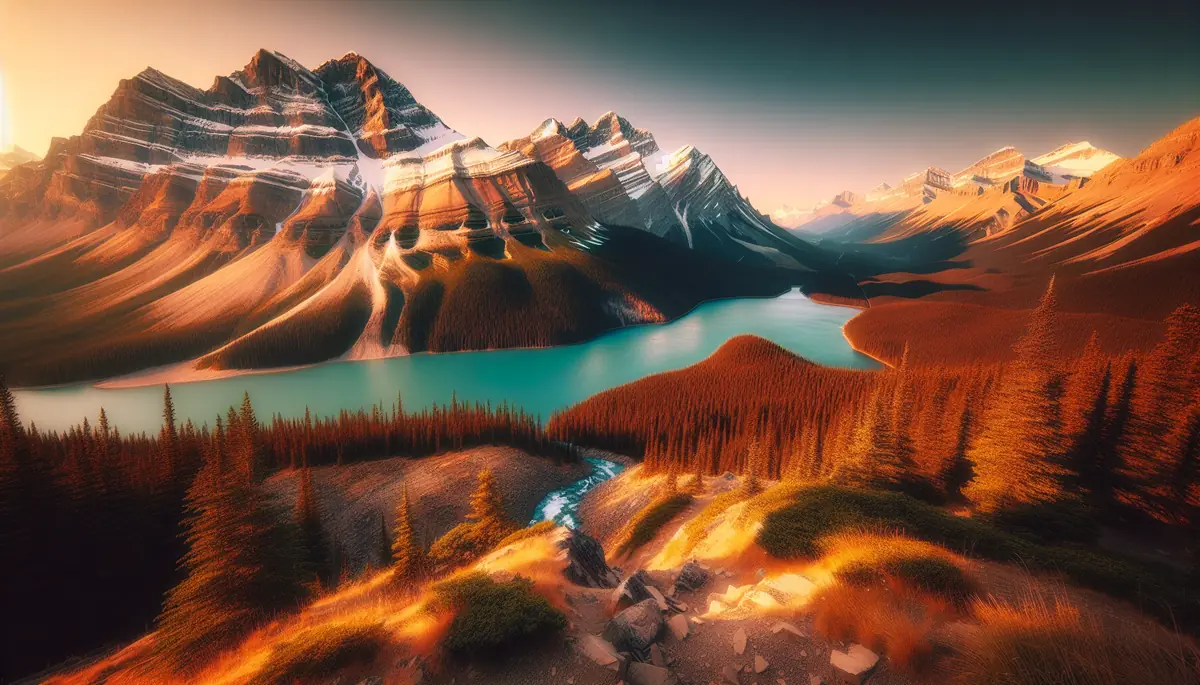
Sitting high in the Canadian Rockies, the Bow Summit Trail offers one of the most incredible viewpoints in all of Banff National Park. This relatively short but rewarding hike leads to the famous Peyto Lake Lookout, where turquoise waters stretch out below like a painted masterpiece. As the highest point accessible by road in Banff National Park, Bow Summit provides visitors with an standout alpine experience that showcases why this UNESCO World Heritage Site draws millions of visitors each year.
Getting to Bow Summit
Bow Summit sits at an elevation of 2,069 meters (6,787 feet) along the Icefields Parkway (Highway 93 North), approximately 40 kilometers north of Lake Louise. The drive from Banff townsite takes about 1 hour and 15 minutes, covering roughly 85 kilometers of some of the most scenic highway in the world. From Calgary, plan for a 2.5-hour drive covering 170 kilometers.
The Bow Summit parking area is clearly marked and features washroom facilities, though these are only open during peak season (typically May through October). Arrive early during summer months, as parking fills quickly by mid-morning. The lot accommodates approximately 100 vehicles, but on busy weekends, you might find cars lining the highway shoulders.
For those looking to extend their Canadian Rockies adventure, consider staying overnight in the area. Compare hotel rates on Expedia to find the perfect base for your Bow Summit exploration, whether in nearby Lake Louise or back in Banff townsite.
The Bow Summit Trail Experience
The Bow Summit Trail is technically an easy walk, but don't let that fool you into thinking it's without challenges. The 2.8-kilometer round-trip hike gains approximately 100 meters in elevation, making it accessible to most fitness levels. However, the high altitude can affect some visitors, so take your time and stay hydrated.
The trail begins directly from the parking area and follows a well-maintained paved path for the first portion. After about 10 minutes of walking, you'll reach the main Peyto Lake Lookout platform, which offers remarkable views but can get extremely crowded during peak hours. This is where most tourists stop, but the real magic happens when you continue beyond.
For the best experience, follow the trail as it continues upward past the main viewpoint. The paved surface gives way to a natural dirt trail that winds through alpine terrain. This upper section, often called the Bow Summit Lookout Trail, leads to a higher vantage point that provides even more impressive panoramic views of Peyto Lake, the Mistaya Valley, and surrounding peaks.
What to Expect: Peyto Lake and Beyond
The star of the Bow Summit experience is undoubtedly Peyto Lake, named after early park guide and trapper Bill Peyto. This glacier-fed lake gets its distinctive turquoise color from rock flour – fine particles of glacial sediment suspended in the water. The lake's unique wolf-head shape is best appreciated from the Bow Summit viewpoints.
From the higher lookout points, you'll also see the Peyto Glacier, part of the Wapta Icefield, which feeds the lake. On clear days, the view extends across the Mistaya Valley toward distant mountain ranges. The surrounding peaks include Mount Jimmy Simpson, Mount Patterson, and the dramatic Caldron Peak.
Wildlife viewing opportunities abound in this alpine environment. Keep your eyes peeled for mountain goats on the rocky slopes, pikas among the boulder fields, and various alpine bird species. Ground squirrels are common near the parking area and trail, though Parks Canada reminds visitors never to feed wildlife.
Seasonal Considerations and Trail Conditions
The Bow Summit Trail accessibility varies dramatically by season, each offering unique experiences. During winter months (November through April), the Icefields Parkway remains open but requires winter driving conditions. The trail itself may be snow-covered and icy, requiring microspikes or snowshoes for safe travel.
Spring (May through June) brings unpredictable conditions. While the main paved section usually remains accessible, the upper trail portions may still have snow patches. This season offers fewer crowds but potentially challenging hiking conditions. March 2026 visitors should expect full winter conditions and plan accordingly with appropriate gear.
Summer (July through September) provides the most reliable trail access and warmest weather, but also the heaviest crowds. The entire trail system is typically snow-free, and wildflowers bloom in the alpine meadows during late July and August. Temperatures can still drop significantly, especially early morning and evening, so layer appropriately.
Fall (October through November) offers dramatic larch displays in surrounding valleys, though the high alpine environment of Bow Summit itself has limited deciduous vegetation. Weather becomes increasingly unpredictable, with potential for early snowfall.
If you're planning a multi-day adventure that includes Bow Summit Canada highlights, check out our comprehensive 3-day Banff itinerary for optimal trip planning that incorporates this jaw-dropping location with other must-see attractions.
Photography and Best Viewing Times
Bow Summit ranks among the most photographed locations in the Canadian Rockies, and for good reason. The elevated perspective provides rare views of Peyto Lake's distinctive shape and color. For photographers, several factors can make or break your shots.
Lighting plays a crucial role in capturing Peyto Lake's famous turquoise hue. Mid-morning light (9-11 AM) often provides the most vibrant lake colors, while late afternoon offers dramatic mountain shadows and golden light on distant peaks. Overcast days can actually enhance the lake's color saturation, though they reduce mountain visibility.
Consider bringing a polarizing filter to cut glare from the water surface and enhance color contrast. A wide-angle lens captures the full lake vista, while a telephoto can isolate specific mountain features or wildlife. During winter, the frozen lake creates an entirely different but equally striking composition.
For those interested in guided photography experiences, browse photography tours on GetYourGuide that often include Bow Summit as a highlight destination, providing expert guidance on capturing the perfect shot.
Combining Bow Summit with Other Attractions
The Bow Summit Trail works excellently as part of a larger Icefields Parkway adventure. Consider combining your visit with stops at Bow Lake (just 5 kilometers south), where the historic Num-Ti-Jah Lodge provides dining and accommodation options. The Bow Glacier Falls trail starts from Bow Lake and offers a more challenging hiking experience for those seeking additional adventure.
Continuing north on the Icefields Parkway leads to additional highlights including the Saskatchewan River Crossing, Sunwapta Falls, and bestly the Columbia Icefield. This makes Bow Summit an ideal early stop on a northbound Icefields Parkway journey.
For hikers looking to explore more of Banff's incredible trail system, our guide to the best Banff hiking trails provides detailed information on options suitable for all skill levels, from gentle walks to challenging alpine adventures.
After your mountain adventure, you'll likely work up an appetite. Our comprehensive guide to the best Banff restaurants will help you find the perfect spot to refuel, whether you prefer casual mountain fare or upscale dining experiences.
Practical Information and Safety Tips
A Parks Canada Discovery Pass is required for access to Bow Summit, as with all national park attractions. Daily passes cost $11.00 CAD per adult (2026 rates), while annual Discovery Passes cost $72.25 CAD per adult and provide access to all Canadian national parks.
Essential items for your Bow Summit visit include warm layers (temperatures can be 10-15°C cooler than in Banff townsite), sunglasses and sunscreen (alpine sun exposure is intense), water, and snacks. Even the short hike can be tiring at altitude, especially for visitors coming from sea level.
Weather conditions can change rapidly in the mountains. Check current conditions and forecasts before departure, and be prepared to turn back if conditions deteriorate. Parks Canada provides current trail conditions and weather updates on their website and at visitor centers.
Cell phone coverage is spotty to non-existent along much of the Icefields Parkway, including at Bow Summit. Inform others of your travel plans and expected return time, especially during winter months.
Ready to experience the breathtaking beauty of Bow Summit? Start planning your perfect Banff getaway by finding your ideal accommodations through Expedia and discovering additional mountain adventures with GetYourGuide. The memories you'll create at this striking alpine destination will last a lifetime.
Enjoyed this guide? Get weekly Banff tips.