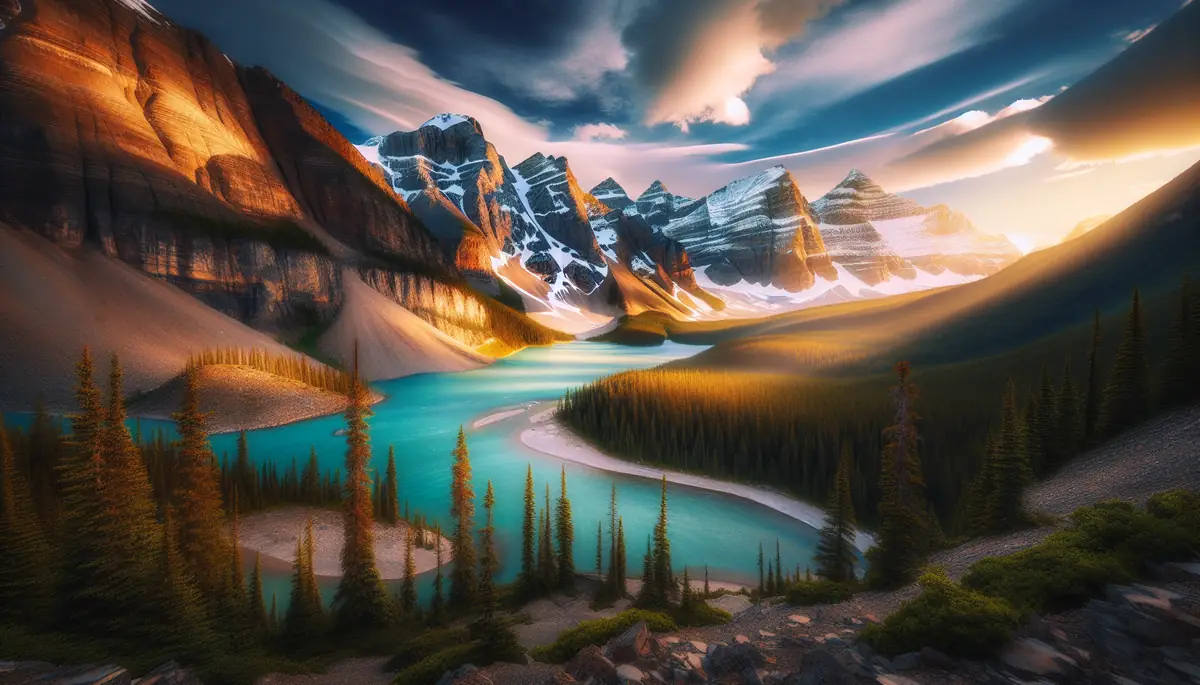
As someone who's spent countless hours exploring the Canadian Rockies, I get asked about Banff to Calgary to Jasper to Kamloops via Banff: Road Trip via Banff Road Trip Town Alberta almost as much as I do about Banff itself. While this guide focuses on Banff National Park, understanding the connection between these two iconic destinations will help you make the most of your Rocky Mountain adventure. Both parks offer world-class outdoor recreation, but each has its own character and highlights that serious outdoor enthusiasts need to know about.
Understanding Banff's Position in the Canadian Rockies
Banff National Park sits at the heart of Canada's mountain playground, with Jasper National Park located 287 kilometers to the northwest via the famous Icefields Parkway. I've driven this route dozens of times, and it remains one of the most spectacular drives in North America. The journey between the parks takes about 3.5 hours of pure driving time, but I always budget at least 6 hours to account for photo stops and wildlife viewing.
What makes Banff unique compared to Jasper Alberta is its accessibility and infrastructure. The town of Banff offers more dining options, shopping, and accommodation variety, while maintaining that authentic mountain town feel. Parks Canada manages both parks under the same annual pass system, so if you're planning to visit both during your trip, the Discovery Pass at $72.25 CAD for adults is your best value.
From my experience training in both locations, Banff tends to have more crowded trails but better facilities, while Jasper offers more solitude and larger wilderness areas. The elevation profiles differ too – Banff townsite sits at 1,383 meters, which I definitely notice during my first few training runs after arriving from sea level.
Best Times to Visit and Current Conditions
April 2026 marks the transition period in Banff, and timing your visit correctly makes a huge difference in what activities you can access. Right now, many higher elevation trails still have snow, but the valley bottom is clear for hiking and cycling. I always check Parks Canada's trail condition reports before heading out, as conditions can change rapidly during spring.
For skiing enthusiasts, three local mountains operate through April: Sunshine Village typically runs until late May, Lake Louise Ski Resort until early May, and Mount Norquay usually closes by mid-April. If you're planning a ski trip, book your Expedia accommodation early, as spring skiing is popular among locals.
Summer season (July-August) brings the warmest weather but also the largest crowds. I've learned to start my trail runs before 6 AM during peak season to avoid both crowds and afternoon thunderstorms. If you're comparing to Banff to Jasper Weather : Plan Perfect Trip Alberta, Banff generally experiences slightly warmer temperatures due to its more southern location and lower elevation.
Essential Outdoor Activities and Training Opportunities
The diversity of terrain around Banff makes it perfect for multi-sport training, which is why I return here multiple times each year. For trail running and hiking, my go-to recommendations start with the best Banff hiking trails that offer everything from easy valley walks to challenging alpine ascents.
The Legacy Trail provides 22 kilometers of paved pathway connecting Banff to Canmore, perfect for cycling or running with mountain views the entire way. Unlike some routes in Jasper Alberta, this trail stays open year-round and receives regular maintenance. I use it for tempo runs when I need a flat, predictable surface.
For serious hikers, the Plain of Six Glaciers trail offers a 13.8-kilometer round trip with 365 meters of elevation gain. Start early – parking at Lake Louise fills by 8 AM during summer months. The trail provides views of six active glaciers and connects to the Lake Agnes Tea House if you want to extend your hike.
Swimming and paddling opportunities include Lake Minnewanka, the largest lake in Banff National Park at 21 kilometers long. I've done several open water swim training sessions here, though the water rarely exceeds 15°C even in summer. Kayak and canoe rentals are available at the dock from May through September, weather permitting.
Accommodation Strategy and Location Planning
Choosing where to stay in Banff depends heavily on your activity priorities and budget. I've stayed in everything from backcountry hostels to luxury mountain lodges, and each serves different trip objectives.
For active travelers, I recommend staying within walking distance of downtown Banff. This puts you close to trailheads like Tunnel Mountain (4.5 kilometers round trip) and Bow River Trail, while keeping you near gear shops and restaurants. The Compare 95+ Banff hotels tool helps you filter by specific amenities like bike storage or early breakfast service.
Budget-conscious visitors should consider the HI-Banff Alpine Centre, where dorm beds start around $35 CAD per night. I've used their gear rental service for specialty items and found their local knowledge invaluable. The facility includes laundry, kitchen access, and secure equipment storage.
If you're planning to visit both Banff to Jasper Drive: Icefields Parkway Road Trip and Jasper Alberta during your trip, consider splitting your accommodation between both locations rather than doing long day trips. The drive is beautiful but adds 7+ hours to any day itinerary.
Dining and Recovery Fuel
Proper nutrition becomes critical during active mountain adventures, and Banff's restaurant scene has evolved significantly to support outdoor enthusiasts. My best Banff restaurants recommendations focus on places that understand the needs of hungry hikers and athletes.
For pre-adventure fuel, Evelyn's Coffee Bar opens at 7 AM and serves substantial breakfast portions. Their breakfast burrito ($12.95 CAD) provides enough calories for a half-day hike. Post-workout, The Bison Restaurant offers locally-sourced protein options, though expect to pay premium prices ($35-45 CAD per entrée).
Stock up on trail snacks and hydration at Safeway or IGA, both located on Bear Street. Prices run about 20% higher than Calgary, but selection is good. I always grab extra electrolyte tablets and energy bars here rather than carrying them in my luggage.
For celebratory meals after big training days, book reservations well in advance during peak season. The Maple Leaf Grille and Storm Mountain Lodge (20 minutes outside town) offer exceptional dining experiences, though you'll pay accordingly.
Practical Planning and Logistics
Smart logistics separate good Banff trips from frustrating ones. Parking becomes the biggest challenge during peak season – Lake Louise parking fills by 6 AM on summer weekends, and Moraine Lake often reaches capacity by 5 AM. I recommend staying overnight near these locations if they're priorities, or visiting during shoulder seasons.
Transportation options include the Roam Transit system, which connects Banff townsite to Lake Louise and Canmore. The service runs year-round with reduced winter schedules, and day passes cost $5 CAD per adult. For visitors comparing to Jasper Alberta, Banff has significantly better public transportation infrastructure.
Book guided activities through GetYourGuide if you want expert local knowledge without planning logistics. Their ice walk tours and wildlife viewing experiences consistently deliver, though I prefer self-guided adventures for training purposes.
Consider following a structured plan like this 3-day Banff itinerary if you're visiting for the first time. It covers the essential experiences while leaving flexibility for weather and energy levels.
Weather changes rapidly in the mountains, so pack layers regardless of season. I always carry a shell jacket, even on sunny July days. Cell phone coverage is generally reliable in the Bow Valley but becomes spotty in backcountry areas. Download offline maps and inform someone of your plans before heading out on solo adventures.
Enjoyed this guide? Get weekly Banff tips.