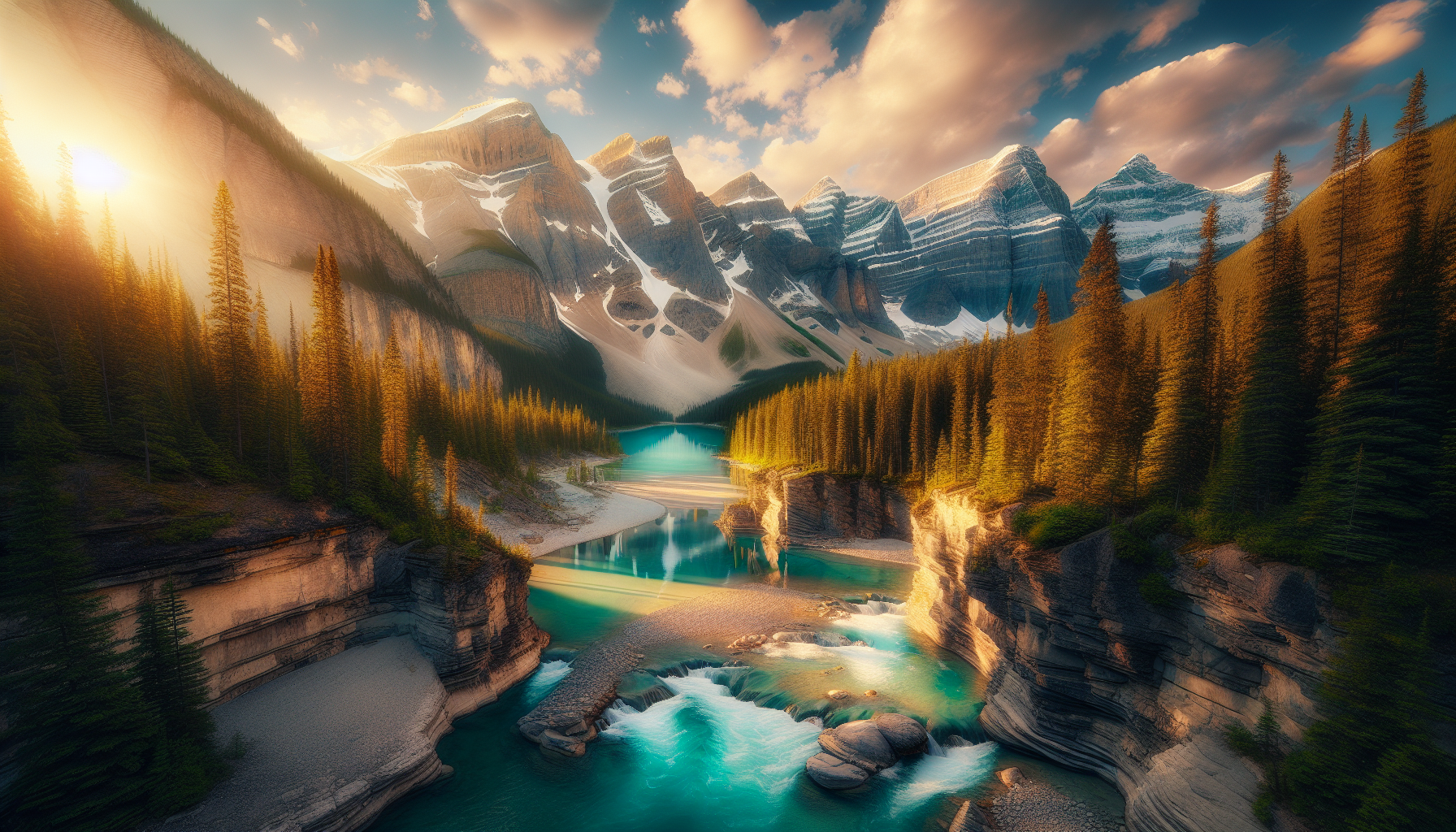
Johnston Canyon stands as one of Banff's most popular hiking destinations, and after countless trips here over the years, I can confirm it lives up to the hype. This spectacular canyon walk takes you through limestone corridors to two magnificent waterfalls, offering some of the most accessible waterfall viewing in the Canadian Rockies. The trail attracts over 300,000 visitors annually, so timing and preparation are everything if you want to enjoy it properly.
Understanding Johnston Canyon: What Makes It Special
Located 23 kilometers northwest of Banff townsite along the Bow Valley Parkway, Johnston Canyon carved its dramatic gorge through Palliser limestone over thousands of years. The creek drops through a series of catwalks and bridges, creating the Lower Falls (15 meters) and Upper Falls (30 meters) that draw visitors year-round.
What sets Johnston Canyon apart from other waterfall hikes is the engineering. Parks Canada installed metal catwalks that cling to the canyon walls, letting you walk directly beside the rushing water. The trail is paved for the first section, making it accessible to families and casual hikers, though the crowds can be intense during peak season.
I've hiked here in every season, and each offers something different. Spring brings powerful water flow from snowmelt, summer provides the easiest access, fall delivers golden aspens, and winter transforms the falls into massive ice formations that attract ice climbers from around the world.
Trail Details and What to Expect
The hike breaks into clear segments. The Lower Falls trail covers 1.1 kilometers each way with minimal elevation gain—about 60 meters total. Most visitors can complete this in 30-45 minutes each direction. The path follows paved walkways initially, then transitions to the famous catwalks bolted into the canyon walls.
Continuing to the Upper Falls adds another 1.6 kilometers and 125 meters of elevation gain. The trail becomes rockier after the Lower Falls, but remains well-maintained. Budget 2-3 hours total for the round trip to Upper Falls, including photo stops.
For those wanting more adventure, the Ink Pots trail continues beyond the Upper Falls. This adds 2.4 kilometers each way through forest and meadow to reach seven cold-water springs that bubble up through the ground. I recommend this extension—it gets you away from the crowds and offers completely different scenery.
Timing Your Visit: Seasons and Crowds
Johnston Canyon operates year-round, but conditions vary dramatically. Summer (June-August) brings peak crowds but optimal trail conditions. I avoid weekends entirely during these months unless I'm there at sunrise. The catwalks get congested, creating bottlenecks where passing becomes difficult.
Spring offers excellent conditions with fewer crowds, though you'll encounter muddy sections and possible trail closures due to ice conditions on upper sections. April 2026 conditions typically include some remaining ice on the catwalks—bring microspikes for safety.
Fall presents ideal hiking weather with significantly reduced crowds after Labour Day. The aspens turn golden in late September, creating stunning contrast against the limestone walls. Winter transforms the experience completely—the waterfalls freeze into towering ice formations, and Parks Canada grooms the trail for winter hiking. Ice cleats are mandatory during winter months.
Based on my experience, the best times are weekday mornings in May, September, or October. You'll have better trail conditions than winter but avoid the summer crowds that can make the experience feel more like a shopping mall than a nature hike.
Practical Information: Access, Parking, and Fees
Access Johnston Canyon via the Bow Valley Parkway (Highway 1A) from Banff townsite. Take the Trans-Canada Highway west for 5.5 kilometers, then exit onto the Bow Valley Parkway. Continue for 17.5 kilometers to the Johnston Canyon parking area on your right.
Parking costs $11.70 CAD per day (2026 rates) and accepts cash or card. The lot holds approximately 200 vehicles, but demand regularly exceeds capacity. Overflow parking exists along the highway, adding a 500-meter walk to the trailhead.
You'll need a valid Parks Canada pass. Daily passes cost $11.50 CAD per adult, or purchase an annual Discovery Pass for $75.25 CAD if you're planning multiple park visits. I always recommend the annual pass if you're staying more than a week or visiting other national parks.
The trailhead includes washrooms, picnic tables, and interpretive displays. No food services operate at the canyon, though the Johnston Canyon Resort across the highway offers dining during operating season (May through October).
Safety Considerations and What to Bring
Johnston Canyon attracts many unprepared visitors, leading to preventable accidents. The catwalks can be slippery when wet, and railings are there for good reason—the drops are serious. I've witnessed several close calls from people climbing on railings for photos.
Bring proper footwear with good traction. Running shoes work fine in dry conditions, but hiking boots provide better ankle support on the rocky upper sections. During winter or spring conditions, ice cleats are essential—the Parks Canada website provides current winter equipment requirements.
Pack water and snacks, especially if continuing to the Ink Pots. The trail provides no water sources, and the small resort across the highway has limited hours. Weather can change quickly in the mountains—bring a rain jacket and extra layer even on sunny days.
Cell service is spotty throughout the canyon. Download offline maps and let someone know your planned return time. The trail is well-marked and difficult to lose, but weather can deteriorate rapidly during shoulder seasons.
Making the Most of Your Visit
Photography opportunities abound, but the narrow catwalks make tripod use challenging during busy periods. The best shots come from the viewing platforms at each waterfall, though you'll need to wait for clear views during peak times. Early morning light illuminates the canyon beautifully, while afternoon sun can create harsh shadows.
If you're planning a longer stay in Banff, Johnston Canyon pairs well with other Bow Valley Parkway attractions. Castle Mountain viewpoint sits 10 kilometers further west, and the best Banff hiking trails include several other options along this scenic route.
For accommodation, staying in Banff townsite provides the most dining and service options, though you'll face the drive each morning. Check our Compare 95+ Banff hotels guide for current options, or book through Expedia for competitive rates. Consider our 3-day Banff itinerary if you're planning a short visit that includes Johnston Canyon.
For guided experiences, GetYourGuide offers winter ice walk tours and photography tours that can enhance your visit, especially if you're unfamiliar with winter mountain conditions.
Johnston Canyon delivers an exceptional mountain experience when visited with proper preparation and realistic expectations. The crowds are real, but the canyon's beauty justifies its popularity. Plan your timing carefully, arrive prepared, and you'll understand why this remains one of Banff's signature attractions after more than a century of welcoming visitors.
Enjoyed this guide? Get weekly Banff tips.