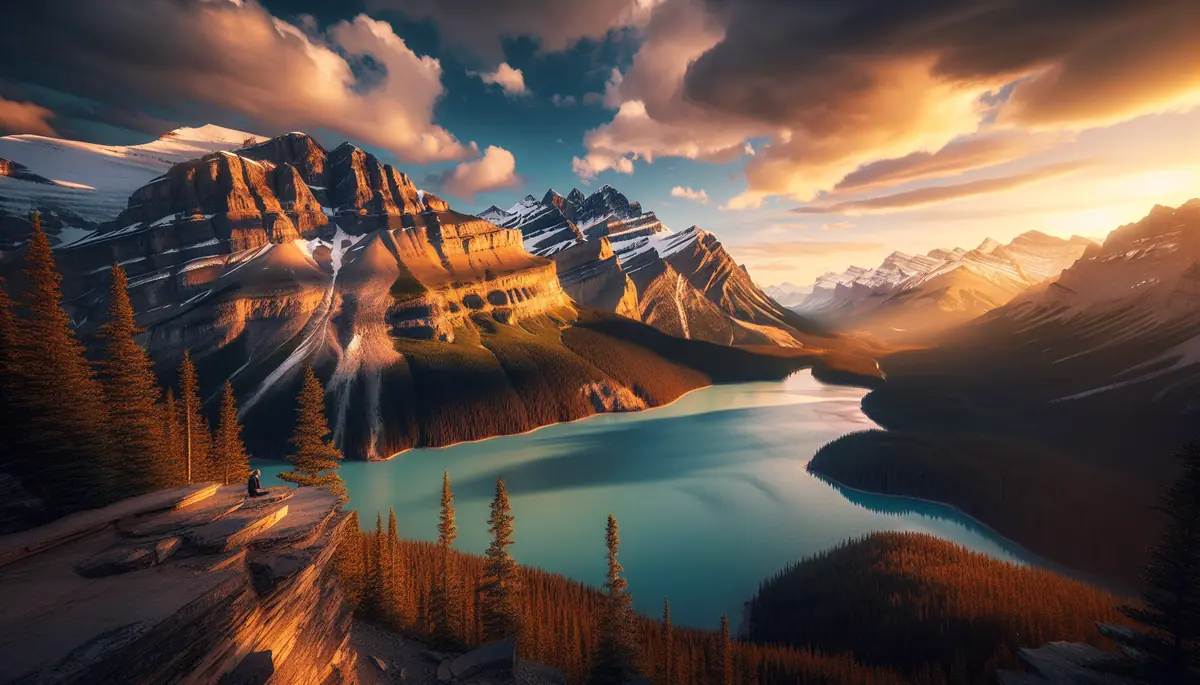
When it comes to capturing the raw beauty of the Canadian Rockies, few experiences rival standing at a impressive Bow Lake Viewpoint 15 Banff Views That Will Leave You Speechless in Most Instagrammable Spot in Banff National Park. These elevated vantage points transform your perspective entirely, offering sweeping panoramas of emerald lakes, towering peaks, and ancient glaciers that have shaped this UNESCO World Heritage landscape for millennia. For those an avid photographer hunting for that perfect shot or simply someone who appreciates nature's grandeur, Banff's viewpoints deliver moments that will stay with you long after you've returned home.
Why Banff's Viewpoints Are Absolutely Essential
Every viewpoint in Banff tells a unique story of geological wonder and natural artistry. From roadside pullouts that require minimal effort to challenging summit hikes that test your endurance, these dramatic vantage points offer something for every type of traveler. The diversity is remarkable—you might find yourself gazing across the turquoise waters of Lake Louise one moment, then standing atop a mountain ridge surveying an endless sea of peaks the next.
What makes these viewpoints particularly special is their accessibility throughout different seasons. While some high-alpine spots are best visited during summer months (June through September), many lower-elevation viewpoints remain accessible year-round, each season painting the landscape in entirely different colors and moods.
The Most Striking Roadside Viewpoints
Not every breathtaking vista in Banff requires hours of hiking—some of the most incredible viewpoints are just steps from your vehicle. The Bow Valley Parkway (Highway 1A) offers numerous pullouts where you can safely stop and soak in views of the Bow River winding through the valley, framed by the dramatic peaks of the Fairholme Range.
One of the most photographed roadside viewpoints is the classic Lake Louise overlook, accessible via a short walk from the Chateau Lake Louise parking area. Here, the iconic view of the lake's brilliant turquoise waters stretching toward the Victoria Glacier has been captivating visitors for over a century. For comprehensive information about exploring this area, check out our detailed Lake Louise guide.
The Icefields Parkway (Highway 93 North) serves up viewpoint after viewpoint, each more remarkable than the last. The Peyto Lake overlook, reached by a 10-minute walk from the parking area, rewards visitors with views of the wolf-head-shaped lake that's become one of Alberta's most recognizable natural landmarks. The intense blue-green color, most vibrant during summer months, comes from glacial rock flour suspended in the water.
Epic Hiking Viewpoints Worth the Effort
While roadside viewpoints offer instant gratification, Banff's hiking trails lead to some truly exceptional elevated perspectives that few people experience. The effort required varies dramatically, from gentle family-friendly walks to challenging full-day adventures that demand proper preparation and fitness levels.
The Tunnel Mountain summit trail represents an excellent introduction to Banff's hiking viewpoints. This 2.3-kilometer trail gains 300 meters of elevation over about 45-60 minutes, making it accessible to most fitness levels. From the summit, you'll enjoy 360-degree views of the Bow Valley, including the town of Banff set below and the imposing peaks of Mount Rundle and Cascade Mountain.
For those seeking more challenging adventures, the Plain of Six Glaciers trail extends beyond Lake Louise toward a incredible viewpoint overlooking multiple glaciers. This 10.6-kilometer round-trip hike takes most visitors 4-5 hours and includes an optional stop at the historic Plain of Six Glaciers Tea House, operating seasonally from June through September. To explore more challenging options, browse guided hiking experiences on GetYourGuide that can enhance your mountain adventure with expert local knowledge. For more details, check out our guide on Banff 1주일 여행 완벽 가이드 년 실제 경비 공개!.
The Sulphur Mountain summit, accessible either via the Banff Gondola or a strenuous 5.5-kilometer hiking trail, provides one of the most comprehensive viewpoints in the entire park. From the summit boardwalk, you can identify dozens of peaks while learning about the area's geology and wildlife through interpretive displays. Our guide to the best Banff hiking trails provides detailed information about difficulty levels, trail conditions, and what to expect on various routes.
Photography Tips for Capturing Banff's Viewpoints
Photographing Banff's viewpoints successfully requires understanding both the technical aspects of mountain photography and the unique lighting conditions found in the Canadian Rockies. The high altitude and clean mountain air create exceptionally clear conditions, but they also present challenges with harsh contrasts and rapidly changing weather.
Golden hour photography—the period just after sunrise and before sunset—transforms these viewpoints into magical scenes. The warm light illuminates the limestone peaks while casting dramatic shadows across valleys. During March, as we're experiencing now in 2026, sunrise occurs around 7:30 AM and sunset around 7:00 PM, providing excellent opportunities for both morning and evening photography sessions.
Consider bringing a polarizing filter to reduce glare from snow and water surfaces, which are prevalent throughout Banff's landscape. A graduated neutral density filter can help balance the bright sky against darker foreground elements, particularly useful when shooting from elevated viewpoints looking down into valleys.
Weather conditions change rapidly in mountain environments, so always check Parks Canada's current conditions and weather forecasts before heading out. Even during seemingly stable conditions, afternoon thunderstorms can develop quickly during summer months, while winter conditions can shift from clear skies to blowing snow within minutes.
Seasonal Considerations and Best Times to Visit
Each season transforms Banff's viewpoints into completely different experiences, and timing your visit correctly can mean the difference between good views and absolutely impressive ones. Spring (March through May) offers unique opportunities as snow begins melting at lower elevations while higher peaks remain dramatically snow-capped.
Currently in March 2026, many viewpoints are experiencing ideal conditions with crisp, clear air and beautiful contrast between snow-covered peaks and valleys beginning to show signs of spring. This shoulder season also means fewer crowds at popular viewpoints, allowing for more peaceful experiences and better photography opportunities.
Summer season (June through September) provides access to the highest elevation viewpoints and most reliable weather conditions. However, this popularity comes with significantly larger crowds, particularly at iconic spots like Lake Louise and Peyto Lake. Planning early morning visits or choosing weekday adventures can help avoid the busiest periods.
Winter viewpoints offer an entirely different but equally dramatic experience. Snow transforms the landscape into a black and white masterpiece, while frozen waterfalls and ice-covered lakes create unique photographic opportunities. Many hiking trails become snowshoe or cross-country ski routes, adding an adventurous element to reaching elevated viewpoints.
When planning your viewpoint adventures, consider staying centrally located to minimize travel time between different locations. Our where to stay in Banff guide can help you choose accommodation that puts you within easy reach of multiple viewpoint options.
Planning Your Viewpoint Adventure
Successfully experiencing Banff's best viewpoints requires thoughtful planning, especially during peak seasons when parking can be extremely limited at popular locations. Parks Canada requires reservations for timed entry to Lake Louise and Moraine Lake during busy summer months, so advance booking is essential.
Start by determining your fitness level and time constraints, then select viewpoints that match your abilities and interests. Our comprehensive 3-day Banff itinerary provides suggestions for combining multiple viewpoints efficiently while allowing adequate time for photography and simply enjoying these incredible locations.
Essential items for viewpoint adventures include layers of clothing (mountain weather changes rapidly), plenty of water, snacks, sunscreen, and a camera with extra batteries (cold weather drains battery life quickly). During winter months, add ice cleats or microspikes for safety on potentially icy trails.
Consider your transportation needs carefully. Some viewpoints have very limited parking that fills early during peak season, while others are easily accessible throughout the day. Compare hotel rates and locations on Expedia to find accommodation that minimizes your driving time to preferred viewpoints.
Remember that Parks Canada requires all visitors to carry bear spray in the backcountry and follow Leave No Trace principles to preserve these incredible viewpoints for future generations. Stay on designated trails, pack out all garbage, and respect wildlife viewing distances—these simple actions help protect the untouched beauty that makes Banff's viewpoints so special.
Ready to experience Banff's most striking viewpoints for yourself? Start planning your mountain adventure by comparing accommodation options on Expedia and exploring guided viewpoint experiences on GetYourGuide. Whether you choose easily accessible roadside vistas or challenging summit adventures, Banff's viewpoints will provide memories and photographs that capture the raw beauty of the Canadian Rockies.
Enjoyed this guide? Get weekly Banff tips.