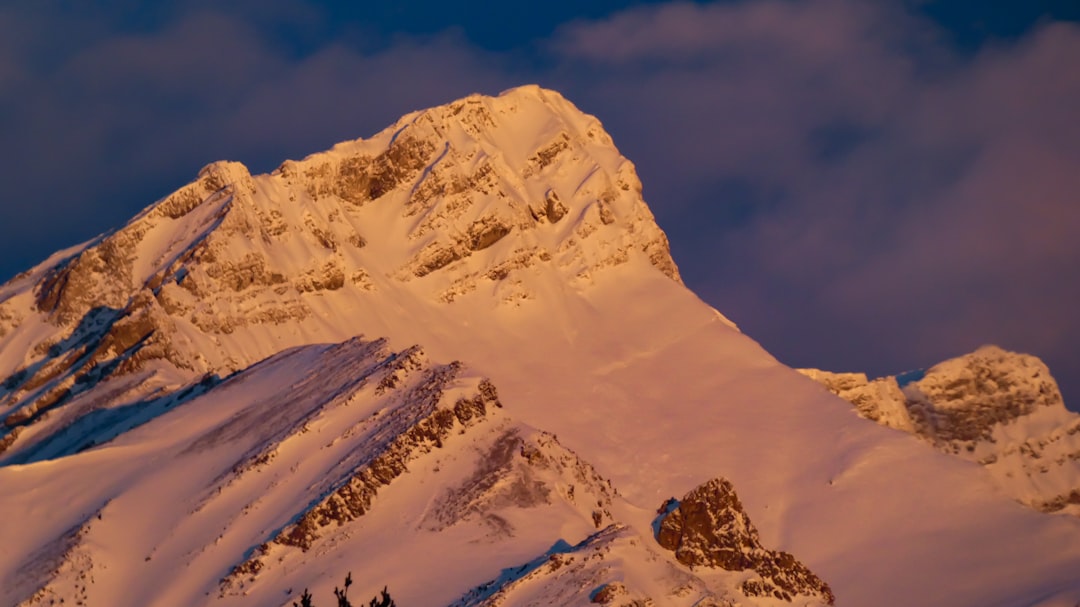
After fifteen years of chasing powder across the Canadian Rockies, I can tell you that Banff Ski Areas : Top Slopes & Hidden Gems snowboarding offers some of the most spectacular terrain and reliable conditions you'll find anywhere. The three major ski areas within striking distance of Banff townsite – Sunshine Village, Lake Louise Ski Resort, and Mt. Norquay – each deliver their own character and challenges. Having logged countless days on these mountains as both a skier and occasional snowboarder, I'll break down everything you need to know to make the most of your Banff snowboarding adventure.
The Big Three: Banff's Premier Snowboarding Mountains
Sunshine Village sits at the highest elevation and typically offers the longest season, often running from November through May. The Delirium Dive area provides expert-only terrain that'll test even seasoned riders, while the wide-open bowls on Lookout Mountain offer perfect conditions for carving long turns. I always recommend starting your day early here – the shuttle from the parking lot takes about 15 minutes, and you want to beat the crowds to the good snow.
Lake Louise Ski Resort boasts the largest skiable terrain of the three, with over 4,200 acres spread across four mountain faces. The Back Bowls provide incredible powder riding when conditions align, though they're often wind-affected. The Front Side offers more consistent conditions and grooming. Parking fills up fast on powder days – arrive before 8 AM or you'll be circling the lots.
Mt. Norquay might be the smallest of the three, but it's my go-to for quick evening sessions and learning progression. The terrain park here consistently ranks among the best in the region, and the night skiing setup lets you squeeze in runs until 9 PM on weekends. Plus, it's only a 10-minute drive from downtown Banff.
Lift Tickets and Season Pass Strategy
Individual day tickets for the 2026-27 season start around $159 CAD at Lake Louise and Sunshine Village, while Norquay runs about $89 CAD. These prices jump significantly during peak periods like Christmas week and March break. I've learned that buying tickets online at least 7 days in advance can save you $20-30 per day.
If you're planning more than four days on the mountains, consider the SkiBig3 pass, which covers all three resorts. The unrestricted pass runs about $2,100 CAD, but they offer various restricted options starting around $1,400 CAD. The spring pass (valid from March through closing) offers excellent value at roughly $800 CAD if you can time your visit right.
Equipment Rentals and Gear
Snowboard rentals in Banff range from $45-65 CAD per day for a complete package (board, boots, bindings). I recommend Ski Hub on Banff Avenue or Monod Sports for quality gear and knowledgeable staff. Many shops offer multi-day discounts and free overnight storage.
For gear purchases, Atmosphere in downtown Banff carries major brands, though prices reflect the resort town premium. If you're driving from Calgary, consider stopping at Sport Chek or Atmosphere locations there for better selection and pricing.
Where to Stay for Snowboard Access
Location matters significantly for snowboarders. I always tell visitors to weigh the convenience of staying in Banff townsite versus on-mountain options. In town, you'll have restaurant variety and nightlife, but you'll need to factor in 20-45 minute drives to the ski areas each morning.
The Fairmont Banff Springs and Rimrock Resort Hotel offer luxury with shuttle services to the mountains, though expect to pay $400-600 CAD per night during peak season. For better value, consider the Banff Park Lodge or Mount Royal Hotel, both walkable to downtown amenities and offering reasonable shuttle access.
For the full comparison of accommodation options, check out our Compare 95+ Banff hotels directory, which breaks down proximity to ski areas and shuttle availability.
On-mountain staying eliminates transportation hassles entirely. The Sunshine Mountain Lodge lets you ski-in/ski-out, though it books up months in advance and runs $350-500 CAD per night. At Lake Louise, the Fairmont Chateau Lake Louise sits lakeside with mountain access, but you'll pay premium rates starting around $500 CAD nightly.
You can explore more accommodation strategies in our comprehensive guide on where to stay in Banff.
Weather, Conditions, and Timing Your Visit
Banff snowboarding conditions vary dramatically by month and elevation. January and February offer the coldest temperatures – sometimes hitting -30°C – but also the most reliable powder. I've found that late February through March provides the sweet spot of good snow with more manageable temperatures.
Sunshine Village typically receives the most natural snowfall due to its elevation and location. Lake Louise can be windier, especially on the back side, which affects snow quality and visibility. Norquay, being lower elevation, sometimes struggles with thin coverage early and late in the season.
Check the avalanche bulletins on the Avalanche Canada website if you're considering any backcountry riding. The mountains around Banff see significant avalanche activity, and conditions change rapidly.
Transportation and Parking Reality
Getting to the mountains from Banff requires planning, especially on weekends and powder days. Lake Louise is 45 minutes up the Trans-Canada Highway, Sunshine Village is 20 minutes plus the gondola ride, and Norquay is 10 minutes from downtown.
Parking fills up fast – I can't stress this enough. At Lake Louise, arrive before 8 AM or risk circling for 30+ minutes. Sunshine's parking lots max out by 9 AM on good snow days. Both resorts offer paid shuttle services from various Banff hotels, which I recommend despite the $25-35 CAD cost per person.
Some hotels offer complimentary shuttles, but these often require advance booking and run on limited schedules. Factor this into your accommodation choice if you're not renting a car.
Beyond the Groomed Runs: Backcountry and Alternative Options
Experienced snowboarders looking beyond resort boundaries will find incredible opportunities around Banff, though proper training and equipment are non-negotiable. The Ptarmigan Cirque area near Highwood Pass offers accessible backcountry terrain when Kananaskis Pass reopens in spring.
For guided backcountry experiences, GetYourGuide connects you with certified mountain guides who know current conditions and safe routes. These tours typically run $200-400 CAD per person and include safety gear.
Cross-country skiing and snowshoeing provide alternative winter activities. The Bow Valley Parkway offers groomed trails, and many of the summer hiking destinations transform into winter wonderlands accessible via snowshoes.
Après and Recovery
After long days on the mountain, Banff's dining scene delivers the fuel you need for recovery. The Maple Leaf serves excellent steaks and local game, while Tooloulou's offers Cajun comfort food perfect for post-riding appetites. For our complete breakdown of dining options, visit our guide to the best Banff restaurants.
The Rose and Crown and Dancing Sasquatch provide the classic après-ski atmosphere with craft beer and live music. Both get packed on weekend evenings, so arrive early if you want a table.
Planning Your Banff Snowboarding Trip
A successful Banff snowboarding trip requires advance planning, especially for 2027 visits. Book accommodations and flights early – Banff's limited hotel inventory fills up during peak snowboard season. Consider staying Sunday through Thursday if your schedule allows, as weekend rates often double.
Budget around $200-250 CAD per day per person for lift tickets, meals, and incidentals. Add accommodation costs, which range from $150 CAD for budget options to $500+ CAD for luxury properties. Transportation, gear rentals, and lessons increase the daily spend significantly.
For comprehensive trip planning, our 3-day Banff itinerary provides a solid framework that balances mountain time with other Banff experiences.
Book your Banff accommodation through Expedia for competitive rates and package deals that combine lodging with lift tickets. Many properties offer snowboard packages that include equipment rentals and mountain shuttles.
The recognition Banff receives in publications like Conde Nast's Banff Travel : Hidden Gems Nast as a world-class winter destination isn't hyperbole – the combination of reliable snow, dramatic mountain scenery, and three distinct ski areas creates an unmatched snowboarding experience. Plan ahead, pack warm layers, and prepare for some of the most memorable riding of your life.
Enjoyed this guide? Get weekly Banff tips.