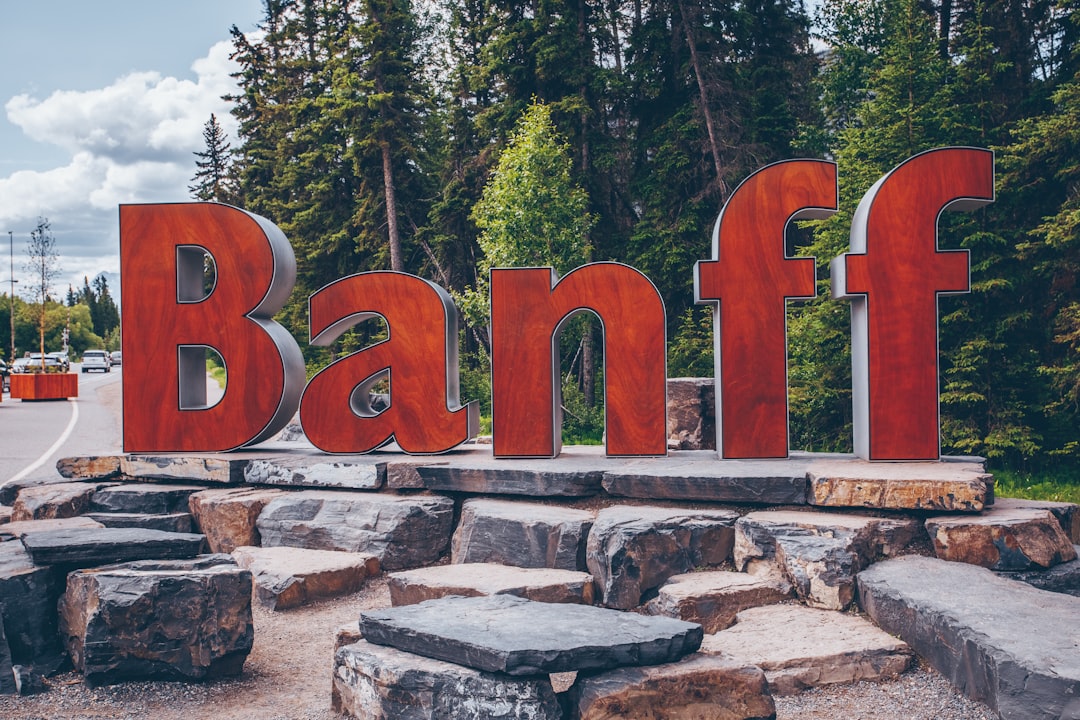
When Conde Nast Traveler consistently ranks Banff's Big 3 ski resorts among the world's top destinations, they're highlighting what I've experienced firsthand through countless visits to this Canadian Rockies paradise. As someone who's explored Banff's trails on foot, skis, and snowboard across all seasons, I can tell you the accolades are well-deserved. This comprehensive guide covers everything you need to know about visiting Banff National Park, from world-class skiing to summer trail running opportunities that keep drawing me back year after year.
Why Conde Nast and Travel Experts Love Banff
Conde Nast's repeated recognition of Banff stems from its unique combination of accessibility and alpine grandeur. Located just 128 kilometers west of Calgary, Banff National Park offers an experience that rivals Switzerland or Patagonia without the international travel complexity. During my ultra running training camps here, I've witnessed firsthand why travel publications consistently feature this destination.
The town of Banff sits at 1,383 meters elevation, surrounded by peaks that soar above 3,000 meters. This dramatic elevation change creates microclimates and terrain variety that supports everything from casual lakeside walks to technical alpine routes. When Conde Nast highlights Banff's year-round appeal, they're recognizing how few destinations can seamlessly transition from world-class powder skiing in February to pristine hiking conditions by June.
Parks Canada's management ensures the delicate balance between accessibility and conservation remains intact. The park's infrastructure supports 4 million annual visitors while maintaining the wilderness character that makes magazine covers. This balance is evident whether you're booking accommodations through Expedia for a luxury mountain resort or camping at one of the park's frontcountry campgrounds.
Winter Excellence: Skiing and Snowboarding
Banff's snowboarding and skiing opportunities span three major resort areas, each offering distinct experiences. During my regular winter visits, I've found that understanding each mountain's character helps maximize your time on snow.
Lake Louise Ski Resort delivers the most extensive terrain with 1,700 skiable hectares and a 991-meter vertical drop. The resort's back bowls provide advanced terrain that rivals anything in North America, while the front-side runs offer perfect intermediate cruising. Adult day tickets cost approximately $129 CAD in 2026, with season passes available starting in early summer.
Sunshine Village sits entirely above treeline at over 2,100 meters elevation, creating unique skiing conditions. The resort's high elevation means reliable snow from November through May, with an average annual snowfall exceeding 9 meters. I particularly enjoy the Delirium Dive area for advanced terrain, though it requires avalanche safety equipment and knowledge.
Mount Norquay offers the closest skiing to Banff townsite, just 10 minutes by car. While smaller than the other resorts, Norquay provides excellent night skiing opportunities and challenging terrain on the North American chair. The mountain's steeper pitches make it ideal for technical improvement.
Backcountry Opportunities
For experienced skiers and snowboarders, Banff's backcountry terrain extends far beyond resort boundaries. Popular areas like Sunshine Meadows and the Lake Louise backcountry require proper avalanche education and equipment. Parks Canada requires backcountry users to carry avalanche transceivers, probes, and shovels in designated areas.
Summer Adventures: Hiking and Trail Running
Summer transforms Banff into a trail runner's paradise, which is why I base my annual training camps here from June through September. The park contains over 1,600 kilometers of maintained trails, ranging from paved lakeside paths to technical alpine routes requiring scrambling skills.
For comprehensive trail information, consult our best Banff hiking trails guide, but here are my personal recommendations based on difficulty and reward:
Beginner-Friendly Options:
- Lake Agnes Tea House - 7 kilometers return with 400 meters elevation gain. The historic tea house serves homemade soup and baked goods from June through October.
- Johnston Canyon - 5.4 kilometers to Upper Falls. Arrive before 7 AM or after 6 PM to avoid crowds, as parking fills completely during peak season.
- Bow River Loop - 4.8 kilometers of paved pathway perfect for easy runs or family walks.
Advanced Challenges:
- Mount Temple - This 3,543-meter peak requires 18 kilometers and 1,680 meters elevation gain. Technical scrambling skills essential.
- Skoki Loop - 55-kilometer backcountry circuit requiring 3-4 days and wilderness camping permits.
- Iceline Trail - Located in nearby Yoho National Park, this 21-kilometer route showcases active glaciation.
Accommodation and Where to Stay
Choosing accommodation in Banff requires balancing location, budget, and desired amenities. During my frequent visits, I've stayed across the spectrum from luxury hotels to backcountry hostels. For detailed analysis, check our where to stay in Banff guide.
Luxury Options: The Fairmont Banff Springs offers historic elegance with modern amenities, typically ranging from $400-800 CAD per night depending on season. The Rimrock Resort provides contemporary luxury with exceptional mountain views, positioned perfectly for accessing hiking trails.
Mid-Range Choices: The Banff Park Lodge delivers central location and reasonable rates around $200-350 CAD nightly. Mountain hotels like Delta Banff Royal Canadian Lodge offer shuttle services to ski areas during winter months.
Budget-Conscious Options: HI-Banff Alpine Centre provides dormitory and private rooms starting around $35 CAD for dorm beds. The facility includes kitchen access and gear rental, making it popular with outdoor enthusiasts.
Book early regardless of budget level, particularly for summer and winter peak seasons. Utilize Expedia for competitive rates and package deals combining accommodation with activities.
Dining and Local Cuisine
Banff's dining scene extends far beyond typical tourist fare, though you'll pay mountain town prices. During my regular visits, I've discovered restaurants that cater to serious athletes' nutritional needs alongside establishments focusing on local ingredients and Alberta beef.
Fine Dining: The Bison Restaurant focuses on locally-sourced ingredients with mains ranging $35-55 CAD. Reservations essential during peak seasons. Eden at the Rimrock Resort offers exceptional mountain cuisine with panoramic views.
Casual Excellence: Park Distillery combines house-made spirits with hearty mountain fare. Three Ravens Restaurant & Wine Bar provides extensive wine selection alongside creative Canadian cuisine. Expect $25-35 CAD for main courses.
Quick Fuel: For pre-adventure meals, Wild Flour Bakery Cafe opens early with excellent coffee and substantial breakfast options. Melissa's Missteak offers generous portions perfect for post-workout recovery meals.
For complete dining recommendations, explore our best Banff restaurants guide covering everything from food trucks to special occasion dining.
Planning Your Visit: Practical Considerations
Successful Banff trips require advance planning, particularly regarding Parks Canada passes, accommodation booking, and activity reservations. Based on my experience visiting across all seasons, here's what you need to know:
Park Passes: Daily passes cost $10.50 CAD per adult, while annual Discovery Passes run $72.25 CAD and cover all Canadian national parks. Purchase passes online or at park gates.
Transportation: Calgary International Airport sits 145 kilometers from Banff townsite. Rental cars provide maximum flexibility, while Brewster Express and other shuttle services offer direct airport transfers for approximately $65 CAD per person.
Seasonal Considerations: May through September offers optimal hiking conditions, though higher elevations may retain snow into July. Winter sports season typically runs December through April, with March offering the best combination of snow conditions and daylight hours.
Activity Booking: Popular experiences like ice walks, wildlife tours, and guided climbs require advance reservations. GetYourGuide offers convenient booking for multiple activities with competitive pricing and reliable operators.
For first-time visitors, consider following our 3-day Banff itinerary to maximize your mountain time while avoiding common tourist traps and timing mistakes.
Banff's consistent recognition by Conde Nast and other travel authorities reflects its genuine ability to deliver transformative mountain experiences. Whether you're planning winter adventures on world-class slopes or summer explorations through alpine wilderness, this corner of the Canadian Rockies provides the authentic mountain experience that keeps bringing me back season after season.
Enjoyed this guide? Get weekly Banff tips.