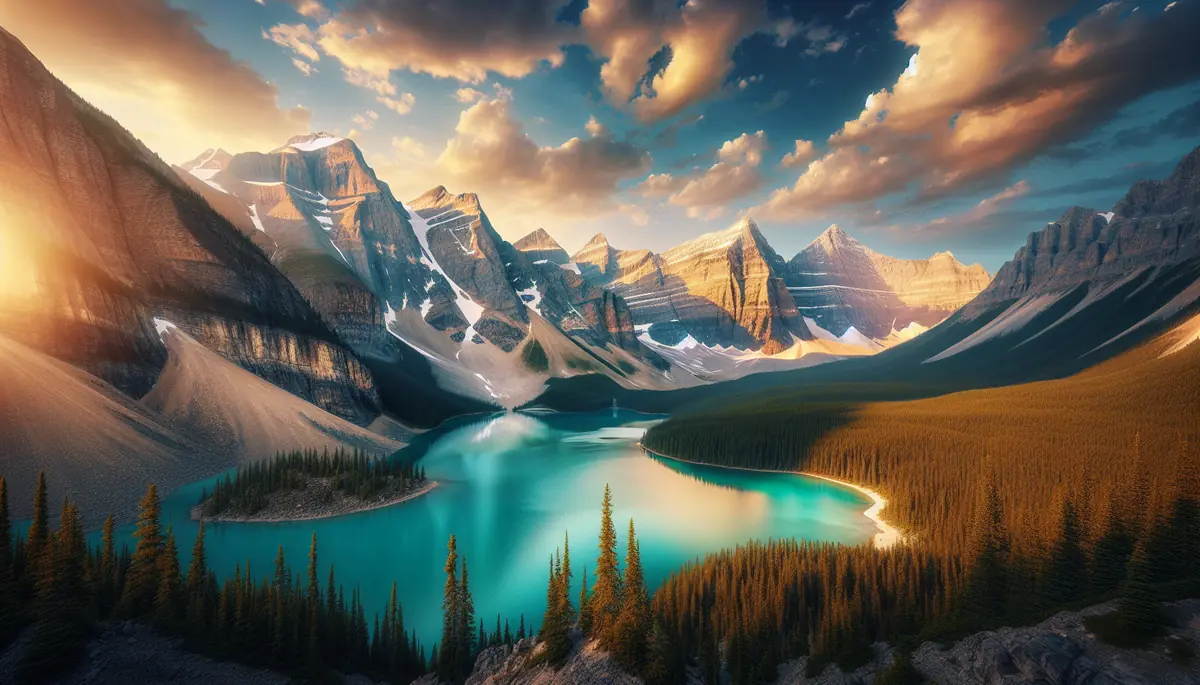
Perched high on the Icefields Parkway at 2,135 meters above sea level, Bow Summit stands as the highest driveable point on one of the world's most scenic highways. This striking mountain pass offers visitors to Banff National Park an one-of-a-kind alpine experience, complete with jaw-dropping vistas, fresh wilderness, and the iconic Peyto Lake viewpoint. For anyone planning a summer road trip or a winter adventure in 2026, Bow Summit deserves a prominent spot on your Banff itinerary.
What Makes Bow Summit Special
Bow Summit represents the continental divide between the Saskatchewan and Bow river systems, making it not just a geographic marvel but also a crucial watershed boundary. Located approximately 40 kilometers north of Lake Louise along the Icefields Parkway (Highway 93 North), this mountain pass sits within the traditional territory of the Stoney Nakoda First Nation.
The summit takes its name from the Bow River, which originates nearby from the Bow Glacier. For photographers and nature enthusiasts, Bow Summit Canada offers some of the most accessible high-alpine scenery in the Canadian Rockies. The area serves as a gateway to several hiking trails, ranging from easy walks suitable for families to challenging backcountry routes for experienced adventurers.
During March 2026, you'll find the summit still blanketed in snow, creating a winter wonderland that's particularly magical for photography. The contrast between the white peaks and the deep blue of frozen Peyto Lake below creates postcard-perfect scenes that define the Canadian Rockies experience.
The Famous Peyto Lake Viewpoint
The main attraction at Bow Summit is undoubtedly the Peyto Lake viewpoint, one of the most photographed locations in all of Canada. This easy 1.4-kilometer return walk from the Bow Summit parking area leads to an elevated platform offering panoramic views of the distinctively shaped, turquoise-colored lake.
Named after legendary mountain guide Bill Peyto, the lake sits 250 meters below the viewpoint and stretches 2.8 kilometers in length. The lake's famous fox-head shape is best appreciated from this vantage point, and the intense blue-green color comes from fine particles of glacial rock flour suspended in the water.
The viewpoint trail is well-maintained and suitable for most fitness levels, though it does involve some elevation gain. During winter months, the trail requires microspikes or ice cleats for safe navigation. Parks Canada maintains the parking area year-round, though the road to Bow Bow Summit Trail Banff: Views Without the Crowds may temporarily close during severe weather conditions.
For those seeking a more immersive experience in this incredible region, consider booking guided photography tours or winter activities through GetYourGuide, where local experts can help you discover hidden viewpoints and share insights about the area's natural history.
Hiking Trails and Outdoor Activities
Beyond the popular Peyto Lake viewpoint, Bow Summit serves as a launching point for several remarkable hiking adventures. The Bow Summit area offers trails for every skill level and ambition.
Bow Summit Lookout Trail
This lesser-known gem extends beyond the Peyto Lake viewpoint for an additional 2 kilometers, leading to an even more remarkable panoramic vista. The trail gains approximately 130 meters of elevation and rewards hikers with 360-degree views of the surrounding peaks, including Mount Patterson, Mount Thompson, and the Wapta Icefield.
Peyto Lake Shoreline Access
For adventurous hikers, an unofficial trail descends from the main viewpoint down to Peyto Lake's shoreline. This challenging 3-kilometer descent involves steep terrain, loose rock, and requires excellent route-finding skills. The reward is standing beside one of Canada's most beautiful lakes in relative solitude.
Winter Activities
During the 2026 winter season, Bow Summit transforms into a snow sports paradise. Cross-country skiing along the Icefields Parkway offers incredible scenery, while snowshoeing provides access to winter viewpoints. Ice walking on frozen waterfalls and lakes in the area attracts winter enthusiasts from around the world.
These outdoor adventures pair perfectly with other activities throughout the region covered in our comprehensive best Banff hiking trails guide, helping you plan the complete mountain experience. For more details, check out our guide on Banff 1주일 여행 완벽 가이드 년 실제 경비 공개!.
Getting to Bow Summit: Transportation and Logistics
Reaching Bow Summit requires driving the Icefields Parkway (Highway 93 North) from either Lake Louise or Jasper. From Lake Louise townsite, the drive takes approximately 45 minutes covering 40 kilometers of some of the most scenic road in North America. The route passes several other notable attractions, including Crowfoot Glacier viewpoint and Bow Lake.
During 2026, gas prices in the area typically range from $1.45 to $1.65 CAD per liter, so plan accordingly for the round trip. The Bow Summit parking area accommodates approximately 100 vehicles, but it fills quickly during peak season (July and August).
Public Transportation Options
While no public transit directly serves Bow Summit, several tour companies operate day trips from Banff and Lake Louise. Brewster Travel Canada and Pursuit Collection offer scheduled tours that include Bow Summit as part of comprehensive Icefields Parkway experiences.
For independent travelers, rental cars remain the most flexible option. If you're staying in Banff townsite, check our guide on where to stay in Banff to find accommodations that offer easy access to the Icefields Parkway while maintaining proximity to town amenities.
Road Conditions and Seasonal Considerations
The Icefields Parkway remains open year-round, but winter driving conditions require preparation. From November through April, winter tires or chains are mandatory. Current road conditions are available through Alberta 511 or Parks Canada's website.
During March 2026, expect potential snow and ice on the roadway, particularly at higher elevations near Bow Summit. Allow extra travel time and carry emergency supplies including warm clothing, food, and a first aid kit.
Accommodation and Dining Near Bow Summit
While no accommodations exist directly at Bow Summit, several excellent options provide convenient access within 30-60 minutes of driving. The closest accommodations are in Lake Louise, approximately 40 kilometers south.
Lake Louise Area Hotels
The iconic Fairmont Chateau Lake Louise offers luxury accommodation with top-tier dining and spa services, typically ranging from $400-800 CAD per night during 2026 peak season. For more budget-conscious travelers, Lake Louise Inn provides comfortable rooms starting around $180-250 CAD per night.
HI Lake Louise Alpine Centre offers hostel-style accommodation for backpackers and budget travelers, with beds starting at $45 CAD per night. To compare rates and availability across all Lake Louise properties, Expedia provides comprehensive listings with guest reviews and booking options.
Alternative Accommodation
Saskatchewan River Crossing, located 35 kilometers north of Bow Summit, offers basic motel-style accommodation and dining services. This option suits travelers continuing north toward Jasper or those seeking a more remote mountain experience.
Our detailed Compare 95+ Banff hotels resource helps you evaluate all accommodation options throughout the region, ensuring you find the perfect base for your Bow Summit adventure.
Dining Options
No restaurants operate directly at Bow Summit, making it essential to pack food and plenty of water for your visit. The closest dining options are in Lake Louise village, featuring everything from casual cafes to fine dining establishments.
Laggan's Mountain Bakery & Delicatessen in Lake Louise village serves excellent sandwiches, pastries, and coffee perfect for picnic lunches at Bow Summit. For a comprehensive overview of dining throughout the region, explore our best Banff restaurants guide.
Planning Your Bow Summit Visit
Timing your Bow Summit visit depends largely on your interests and preferred activities. Each season offers distinct advantages and unique experiences in this high-alpine environment.
Summer Season (June-September)
Summer provides the warmest weather and easiest trail access, but also brings the largest crowds. July and August see peak visitation, with parking areas often full by 10 AM. Temperatures at the summit typically range from 5-15°C (41-59°F), requiring warm layers even on sunny days.
Spring and Fall (April-May, October-November)
Shoulder seasons offer fewer crowds and dramatic seasonal transitions. Spring brings wildflower blooms at lower elevations, while fall showcases brilliant larch colors. Weather can be highly variable, with sudden snow squalls possible.
Winter Season (December-March)
Winter visits to Bow Summit provide beautiful snow-covered landscapes and excellent photography opportunities. Temperatures can drop below -25°C (-13°F), requiring proper winter clothing and gear. Trail access may be limited, but the main viewpoint typically remains accessible.
Consider incorporating Bow Summit into a broader regional itinerary using our 3-day Banff itinerary as a starting point for planning your complete Canadian Rockies adventure.
Photography Tips and Best Practices
Bow Summit ranks among the premier photography destinations in Banff National Park, offering opportunities for landscape, wildlife, and alpine photography. The dramatic elevation changes and diverse terrain create excellent conditions for capturing the essence of the Canadian Rockies.
Camera Settings and Equipment
High-altitude photography requires specific considerations. UV filters help reduce haze common at elevation, while polarizing filters enhance the contrast between sky and water. Wide-angle lenses (14-24mm) capture the expansive mountain vistas, while telephoto lenses (70-200mm) isolate distant peaks and wildlife.
Cold weather can drain camera batteries quickly, so carry extras in inside pockets to keep them warm. Lens condensation occurs when moving from cold outdoor air to warm vehicles, so allow equipment to acclimate gradually.
Composition and Timing
The classic Peyto Lake shot benefits from foreground elements like twisted pine trees or rocky outcrops to add depth. Early morning light (7-9 AM) provides warm illumination on the peaks, while evening light (6-8 PM during summer) creates dramatic shadows across the valley.
Weather changes rapidly at Bow Summit, creating dynamic conditions for photography. Storm clearing can produce incredible lighting with dramatic clouds and sunbeams breaking through.
Ready to experience the breathtaking beauty of Bow Summit for yourself? Start planning your Canadian Rockies adventure by exploring accommodation options on Expedia and discovering guided tour experiences through GetYourGuide. For those seeking photography workshops, winter adventures, or summer hiking experiences, these platforms connect you with local experts who can help make your Bow Summit visit truly standout.
Enjoyed this guide? Get weekly Banff tips.