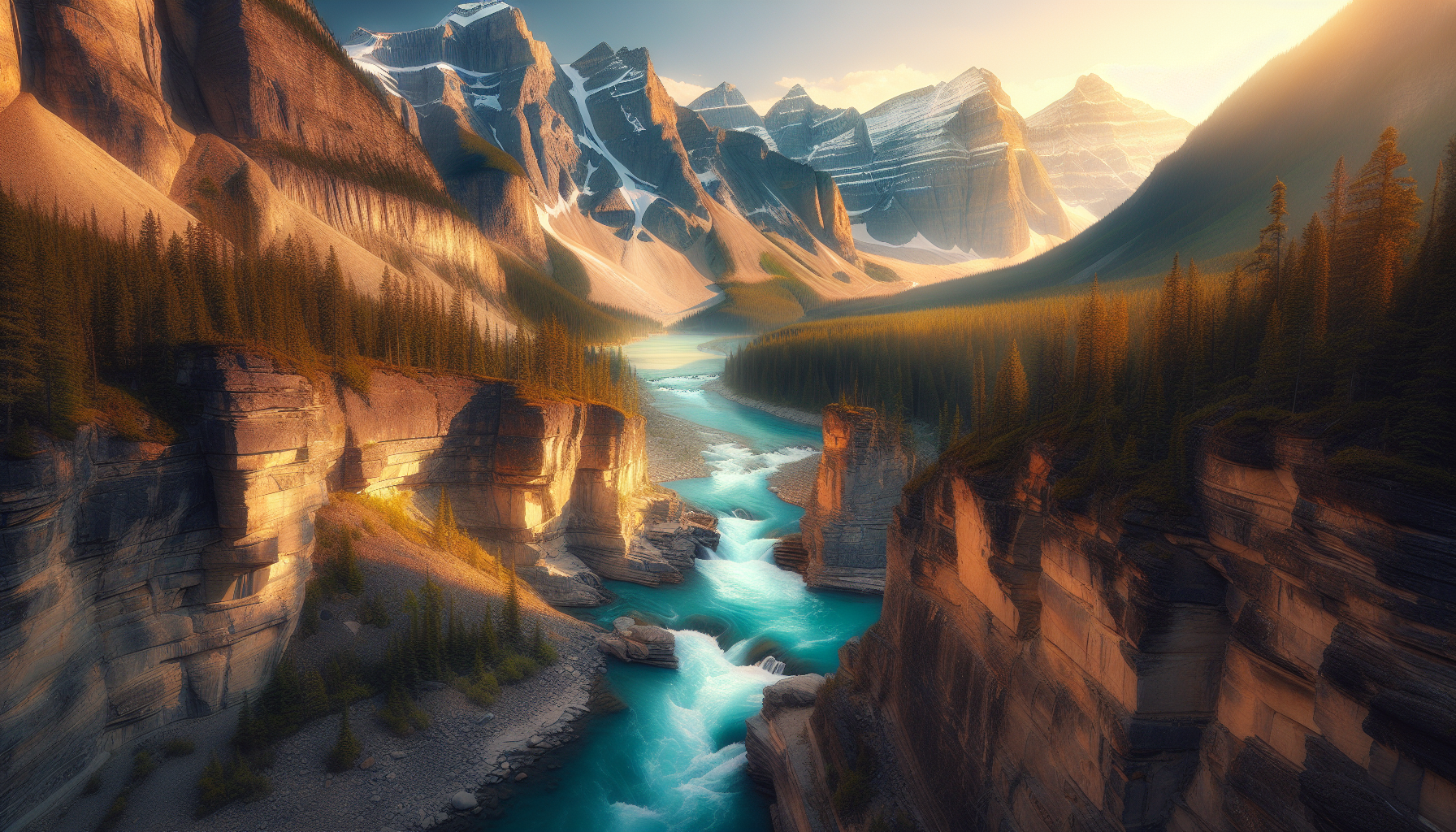
Johnson's Johnston's Johnston Canyon Banff: Travel Banff: Hiking remains one of Banff's most accessible yet spectacular waterfall hikes, and after dozens of visits over the past decade, I can tell you it's worth every step. Located just 23 kilometers northwest of Banff townsite along the Bow Valley Parkway, this trail delivers two impressive waterfalls, ice walking opportunities in winter, and some of the most dramatic limestone canyon scenery in the Canadian Rockies. Here's everything you need to know to make the most of your Johnson's Canyon adventure.
Getting to Johnson's Canyon
The trailhead sits right off the Bow Valley Parkway (Highway 1A), making it one of the easiest waterfalls to access in Banff National Park. From Banff townsite, take the Trans-Canada Highway west for about 17 kilometers, then exit onto the Bow Valley Parkway. The Johnson's Canyon parking area is clearly marked on your left after about 6 kilometers.
Here's my biggest piece of advice: arrive before 7 AM during peak season (June through September) or you'll spend 30 minutes circling for parking. The lot fills completely by 8 AM most days, and Parks Canada doesn't allow roadside parking. I've learned this the hard way multiple times, especially on weekend mornings when the overflow from nearby Johnston Canyon Resort guests compounds the problem.
If you're staying in Banff and don't have a vehicle, several tour operators offer transportation. GetYourGuide runs daily shuttles during summer months for about $45 CAD per person, which includes the canyon tour.
The Trail: What to Expect
Johnson's Canyon offers a straightforward out-and-back hike with two distinct destinations. The Lower Falls sit 1.1 kilometers from the trailhead, while the Upper Falls require a 2.7-kilometer trek each way. The trail follows a steel catwalk system for most of the journey, making it accessible for families with children and visitors with mobility concerns.
The Lower Falls cascade 30 meters into a narrow limestone gorge, and you can walk right up to the viewing platform for an up-close perspective. During my spring visits in April and May, the snowmelt creates a thunderous roar that echoes off the canyon walls. The spray can soak you completely, so bring a rain jacket even on sunny days.
The Upper Falls demand more effort but deliver a 30-meter waterfall that plunges into a spectacular amphitheater of rock. The final section involves some steep switchbacks and natural trail surface, so proper hiking boots become essential here. Allow 2.5 to 3 hours for the complete round trip to Upper Falls.
Seasonal Considerations and Ice Walking
Johnson's Canyon transforms completely between seasons, and each offers distinct advantages. Summer provides the fullest water flow and warmest conditions, but also brings the largest crowds. I prefer late May or early June when the snowmelt creates powerful waterfalls but tourist numbers remain manageable.
Winter turns Johnson's Canyon into one of Alberta's premier ice walking destinations. The waterfalls freeze into massive ice formations, and Parks Canada maintains the catwalk system for winter access. Specialized ice walking tours operate from December through March, providing crampons and guidance for navigating the frozen canyon floor.
During my February 2026 visit, temperatures hit -25°C, but the ice formations were absolutely spectacular. Several outfitters in Banff offer guided ice walks for $75-95 CAD per person, including all necessary equipment. The experience feels like entering a frozen cathedral.
Spring brings variable conditions as ice begins melting and water flow increases. April visits require careful attention to trail conditions, as sections can become icy and slippery during freeze-thaw cycles. This current April 2026 period is actually perfect timing—most ice has cleared but crowds haven't peaked yet.
Beyond the Falls: Ink Pots Extension
Advanced hikers can extend their Johnson's Canyon adventure by continuing to the Ink Pots, a series of cold-water springs located 5.8 kilometers from the trailhead. This extension adds significant distance and elevation gain, transforming a casual walk into a serious day hike.
The trail beyond Upper Falls climbs steeply through dense forest before emerging into an alpine meadow system. The Ink Pots themselves are seven spring-fed pools with vivid blue and green colors created by mineral deposits and aquatic vegetation. Water temperatures remain constant at 4°C year-round.
I recommend the Ink Pots extension only for visitors with solid fitness levels and proper hiking equipment. The round trip from the parking lot covers nearly 12 kilometers with 400 meters of elevation gain. Budget 5-6 hours for the complete journey, and bring layers as weather conditions change dramatically with elevation.
Practical Planning Information
A Parks Canada Discovery Pass is required for access, costing $142.40 CAD annually or $19.60 CAD for a daily pass as of 2026. You can purchase passes online, at the park gates, or at the Banff Visitor Centre. The trail remains open year-round, though winter conditions may require additional safety equipment.
No permits are needed for Johnson's Canyon hiking, but group sizes are limited to six people maximum. The trail typically takes 1.5-2 hours for Lower Falls only, or 3-4 hours if continuing to Upper Falls. Add another 3-4 hours for the Ink Pots extension.
Facilities at the trailhead include washrooms and interpretive displays, but no food services. The nearby Johnston Canyon Resort offers dining and accommodation if you want to make this a multi-day base. For broader accommodation options, check our guide to where to stay in Banff or browse Compare 95+ Banff hotels for current rates and availability.
Safety and Wildlife Considerations
Johnson's Canyon sits in active bear habitat, and I've encountered both black bears and grizzly bears on the trail system. Carry bear spray, make noise while hiking, and travel in groups when possible. Parks Canada requires bear spray for all backcountry travel and strongly recommends it for frontcountry hikes like Johnson's Canyon.
The canyon's steel catwalk system includes safety railings, but conditions can become extremely slippery when wet or icy. I've seen numerous visitors attempt the trail in running shoes during shoulder seasons, leading to dangerous slips on wet metal surfaces. Proper hiking boots with aggressive tread patterns are essential.
Weather in the mountains changes rapidly, especially during spring and fall transitions. Even summer visits can experience sudden temperature drops and precipitation. I always pack extra layers, rain protection, and emergency supplies regardless of the forecast.
Combining Johnson's Canyon with Other Banff Adventures
Johnson's Canyon fits perfectly into broader Banff itineraries, especially when combined with other Bow Valley attractions. The trail makes an excellent morning activity before exploring downtown Banff in the afternoon. Consider pairing it with lunch at one of the best Banff restaurants or an afternoon soak at Banff Upper Hot Springs.
For visitors with multiple days, Johnson's Canyon works well as part of a comprehensive hiking plan. Our best Banff hiking trails guide includes detailed information about combining multiple trail systems during your visit. The canyon also integrates smoothly into any 3-day Banff itinerary as a moderate-effort activity that delivers maximum scenic impact.
Photography enthusiasts should budget extra time for the dramatic lighting conditions throughout the canyon system. The narrow gorge creates challenging exposure situations, but the payoff includes some of the most striking waterfall images in the Canadian Rockies. Morning visits offer the best lighting conditions and smallest crowds for serious photography work.
Enjoyed this guide? Get weekly Banff tips.