A week gives you room to enjoy Banff without making every day an endurance test. Choose one main objective each day, put the essential reservations in place and leave space for a slower morning, a changed forecast or an outing you want to repeat. This plan offers a winter branch and a summer branch; choose the appropriate one rather than combining every suggestion.
Full guide reviewed October 29, 2026. It is a suggested sequence, not a dated operating schedule or a promise that each activity is available. The four-day winter itinerary is a separate shorter trip. For a week, the extra days below provide a second activity choice and a recovery day, rather than simply adding more stops.
Choose the base and book the difficult connections first
A Banff town base can work for a mixed party that values meals, cultural visits and confirmed resort transport. Compare the actual walk from the accommodation to the pickup, not just the word “Banff” in a listing. Lake Louise suits a different plan centred on that area, but its village, lakeshore, ski resort and summer Park and Ride are separate places. Canmore adds a regional journey when your main activities start in Banff.
Use the town and base comparisons, then check winter room and transport needs if travelling in snow season. Cooking facilities, separate sleeping spaces, luggage storage, steps and the actual room category can matter more than proximity on a map. A hotel move creates checkout, bags and another journey; make a split stay earn its place.
Count travel days, accommodation nights, people and rooms separately. Seven travel days do not automatically mean seven hotel nights, and a room quote may cover only part of the party. Enter the actual dates and confirmed inclusions in the whole-trip quote planner. Resolve airport arrival and departure through the arrival transport guide before assigning a mountain objective to either travel day.
One main objective per day
| Day | Winter branch | Summer branch |
|---|---|---|
| 1 | Arrive, settle in and prepare. | Arrive, settle in and prepare. |
| 2 | A booked mountain-viewing visit, if operating and suitable. | A mountain-viewing visit or chosen town-area walk. |
| 3 | A Lake Louise lakeshore visit with the return arranged. | One planned lake outing using the appropriate seasonal transport. |
| 4 | One resort/lesson day or a separately selected winter activity. | One hike matched to the group and current conditions. |
| 5 | A slower cultural and town day. | A slower cultural and town day. |
| 6 | A Canmore town day or another local outing. | A separately planned Parkway outing or another local day. |
| 7 | Checkout and the complete departure journey. | Checkout and the complete departure journey. |
Swap the active and slower days when the bookings and conditions allow. Do not move a timed product without checking its terms. A simple meal or short stroll can accompany the main objective; an additional alpine hike, distant town or sunset drive is another undertaking.
Start an editable seven-day winter plan or seven-day summer plan. These templates are suggestions, not bookings or a check of conditions, journey times or availability. The winter active day starts with a lesson placeholder; replace it with a suitable ski or non-ski choice for your party. The summer hike still needs a specific route. Day 7’s town card is a removable departure placeholder, not an extra outing you must fit before a flight. Remove it, and the arrival-day card too, if the actual travel leaves no time.
Day 1: arrive and make the base usable
Keep arrival as the main task. Confirm where the transfer stops, whether the accommodation can hold bags before check-in and how everyone reaches the entrance with luggage. Buy food or supplies you actually need, locate the next morning’s departure and have a comfortable first meal. A delayed flight should not leave you committed to a paid summit visit the same evening.
For a car-free stay, read the base-to-outing transport choices. For a driving stay, confirm the rental’s actual tires, equipment and contract through the winter driving checklist. Check admission coverage and chargeable units separately from rooms, shuttles and activity tickets.
Day 2: choose a mountain-viewing session
The Banff Gondola operator lists summit interpretation and a theatre as well as outdoor viewing areas. Choose the actual ticket and return arrangements, allowing for the journey to Sulphur Mountain. Read the gondola visit guide before deciding whether its indoor/outdoor mix suits the party.
A summit ticket does not establish visibility or make every boardwalk suitable in snow or wind. A restaurant booking is also a separate product to inspect. In summer, a suitably selected town-area walk can be your alternative main objective. In winter, use the Parks winter walking guidance and the actual report, not a summer hiking grade. If the visit no longer fits, use the weather-change guide for a town-based day.
Day 3: make one lake outing the whole excursion
Winter: plan a Lake Louise lakeshore visit from permitted land-based areas, with warm clothing, food and the complete return. Consult Roam’s 2026/27 fall and winter reservation instructions for the appropriate village or lakeshore journey. That product does not establish a ski-resort connection or winter Moraine access. Do not improvise a frozen-lake crossing or an upper tea-house hike as an extension.
Summer: choose a Lake Louise or Moraine Lake outing through the lake transport comparison. Under Parks’ access rules, Moraine Lake Road is closed to personal vehicles year-round, with specified authorized exceptions. The published 2026 Parks lake-shuttle season ended October 12; confirm the actual future service rather than inventing a 2027 timetable. Regular Parks shuttle check-in is at the ski-resort Park and Ride; Alpine Start is a different product.
Moraine Lake is an optional replacement for this lake day, with an independently confirmed seasonal journey. It is not an extra stop added to the template’s Lake Louise objective. Where the selected product uses a connector, check that connection and the last return. Choose shoreline viewing or one walking objective, not a full tea-house hike followed by an assumed canoe slot. For any proposed water activity, read the current lake-specific watercraft and cold-water guidance; a sightseeing or transport booking does not supply permission, equipment or a rental.
Day 4: put the active day around the least experienced person
Winter: choose one resort and the actual lesson or activity format. Use the lesson finder for age, discipline and product fit, then the complete ski-day planner for collection, check-in, equipment, food and return. Reserve the snow-school product before assuming the whole family can join the same group. Non-skiers need a separately suitable plan rather than an assumed right to use ski lifts.
The SkiBig3 shuttle information ties complimentary travel to specified eligible products, notes first-come seats and warns that schedules can change. Confirm the actual stop and return for the chosen resort. Use your current quotes in the ticket and owned-pass comparison; three resort names do not create unlimited pass coverage.
Summer: choose one complete hike from the Parks profiles and current notices. Lake Agnes, Larch Valley and Sentinel Pass have different endpoints and demands. Use the Larch Valley guide or Sentinel Pass guide when relevant; the pass includes its valley approach, rather than being an extra full route to add. Snow can change a summer plan, so keep a non-hiking alternative.
Day 5: enjoy a slower cultural day
Leave room for art, history, laundry, a leisurely meal and preparing the final two days. The Whyte’s visit page gives its Bear Street location and holiday exceptions. Cave and Basin offers a separate heritage visit, with protected springs rather than bathing. Choose the date and open portions that suit you; you do not need to visit both.
For winter, check Cave and Basin’s weekly days and closure blocks. Banff Park Museum lists October 16–May 14 closed. A museum label alone does not make a dependable winter fallback. The dining finder helps choose an actual meal location; use the evening planner if you want a performance or early bowling rather than another outdoor day.
Day 6: choose the extra outing you actually want
Winter: the editable plan suggests a Canmore town day, with a meal and time to explore on suitable town paths. Confirm the actual regional journey and return, plus any local connection; reaching Canmore does not provide transport to every surrounding attraction. If you prefer another local outing or an operating resort day, replace that card and check the product, equipment and return through the winter activity guide. A week’s stay does not prove ski operations, a frozen-lake rink or an available tour.
Summer: if the group wants a longer excursion, use the Parkway stop planner to select a limited shortlist and the return. A viewing outing, booked attraction and Jasper transfer are different trips. Parks’ Parkway guidance calls for road and weather checks, preparation for limited services and no cellular coverage. Do not assign every listed stop or a fixed return time.
Do not walk onto the Athabasca Glacier independently. The Parks glacier guidance warns about hidden crevasses and barriers. A commercial glacier experience, when operating, needs its own appropriate booking. If a Parkway journey does not fit the conditions, party or return, keep the local day; there is no obligation to replace it with another distant drive.
Day 7: give departure its own space
Confirm checkout, baggage storage if needed, the pickup location and the actual airport or onward connection. Include rental return and any separate regional journey. A final coffee or meal close to the base is easier to fit than a mountain hike, lake transfer or last-minute Jasper extension. Keep the booked departure reachable if weather changes.
Check dated weather and road information and direct official reports again before travel. Parks’ driving advice stresses changing conditions and winter daylight. An expected driving time, room checkout or a previous successful trip does not protect a flight connection.
Turn the sequence into a bookable trip
- Fix the party and nights. Check the actual room and transport requirements.
- Choose essential dated products. Put the lesson, seasonal access or suitable attraction ahead of optional meals and stops.
- Join every return. Include the last bus, walk from the stop and luggage on a hotel-move day.
- Keep one day movable. Read cancellation and change terms before relying on a swap.
- Compare the complete quotes. Include admission, rentals, food, transport and any unconfirmed costs in the budget comparison.
For a Banff base, compare reviewed Banff hotel choices and native booking links. For a Lake Louise-led stay, use the Lake Louise area stay comparison. Once the dates and journey work, compare three reviewed winter experience formats. These accommodation and activity pages disclose affiliate links; a listing or search does not confirm your room, date or complete itinerary.
At this review, Johnston Canyon’s trail and day-use area, including P1, were closed from October 13, with a scheduled December 11, 2026 end. Reopening remains unconfirmed. Do not add the canyon or an alternative approach automatically. For a planned soak, read the dated Upper Hot Springs notice and bathing alternatives before booking the rest of the day.
Questions about a week in Banff
Does a seven-day itinerary mean booking seven hotel nights?
Count the actual arrival and departure dates, room occupancy and nights separately. Seven travel days can include a different number of accommodation nights depending on flights and transfers. Enter the confirmed stay and whole-party quotes in the trip-cost planner; this suggested week does not establish a room allocation or package.
Can I follow the summer week in winter?
Use the winter branch. Summer lake shuttles, canoe rentals, alpine hikes and icefield attractions do not become winter options because a road or hotel is open. In winter, choose operating resort products, a separately planned Lake Louise lakeshore visit and local cultural days, with current conditions and the complete return checked.
Should I change hotels halfway through the week?
A single Banff base reduces luggage moves and can suit mixed groups. A Lake Louise stay can make sense when several confirmed activities start in that area. Compare the actual village, lakeshore or resort address, room needs, meals, baggage transfer and onward transport before choosing a split stay; it is not automatically cheaper or easier.
Is the Icefields Parkway a required day trip?
No. The summer branch offers a separately planned Parkway outing or tour as one possible main objective. The winter branch uses a local or operating resort day instead. A fixed seven-day schedule cannot establish suitable road conditions, services, daylight or a reliable return. Do not add a Jasper transfer or glacier walk as an unplanned extension.
What should I reserve before fixing the day order?
Start with the actual arrival and return, accommodation and any essential lesson, accessible transport or dated activity. Resolve seasonal lake transport and the correct departure base where applicable. Then fit meals and flexible days around those commitments, reading each product’s own payment, change and cancellation terms.
Sources and review
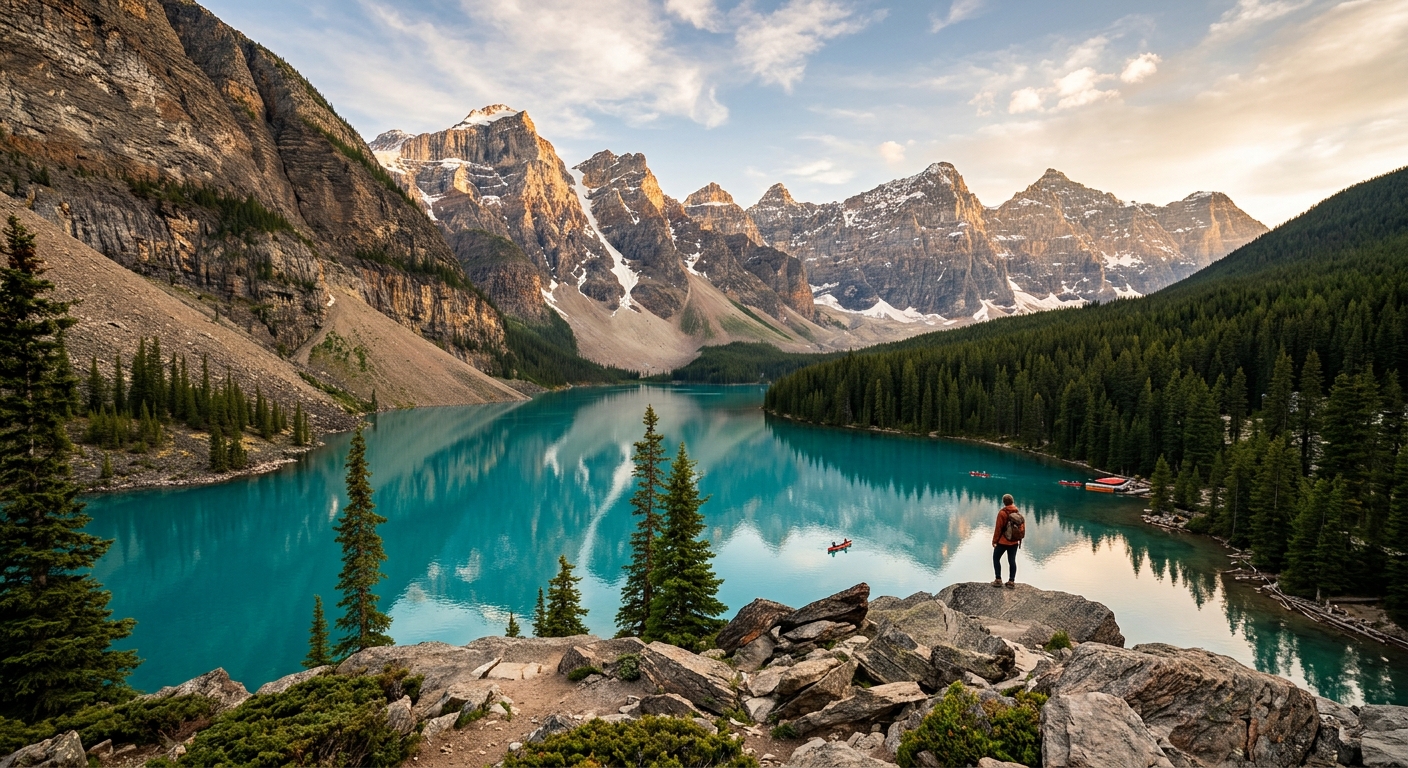
Full guide reviewed October 29, 2026. Linked Parks Canada sources establish access, seasonal limits and route preparation; operator pages establish their own current products and instructions. This sequence supplies no live availability, fixed prices, future timetable or safe-trip calculation. Recheck the actual date, source report and reservation. The hero image is illustrative, not verified as a named place, season or current conditions.
Enjoyed this guide? Get weekly Banff tips.